Casey Faces Utility Rate Hikes Amidst Inflation and Shrinking Customer Base
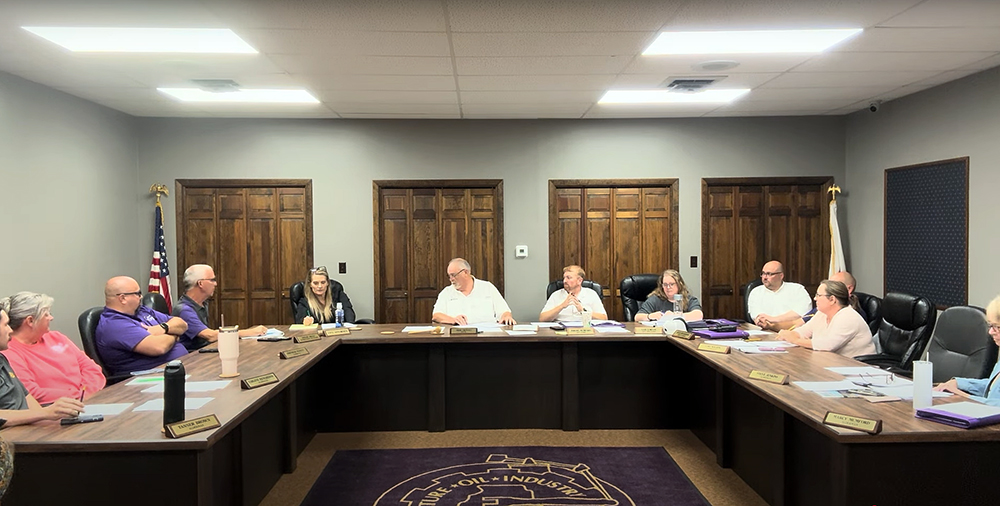
Casey residents can expect to see their utility bills rise in the near future as the city grapples with the dual pressures of inflation and a declining population. During a sometimes-tense discussion at Monday’s City Council meeting, officials revealed that all four city-owned utilities—electric, gas, water, and sewer—operated at a loss over the past year, with the electric fund alone running a deficit of $495,000.
The issue came to the forefront when the council tabled a planned vote on an electric rate increase. Mayor Mike Nichols explained that he and the public utilities committee wanted to re-evaluate the proposed hike to ensure it was sufficient to cover losses without overburdening residents more than necessary.
“Our goal is to bring that up so we’re not fighting a deficit, but our goal is to not make a hell of a lot of money on it,” Nichols said. “We’re a break-even organization and not necessarily a for-profit organization. So, we want to go back and restudy those numbers.”
The financial strain stems from what Nichols described as a perfect storm of economic factors. The cost of materials, parts, and purchased utilities like natural gas has skyrocketed. Compounding the problem is a significant demographic shift.
“Over the last four years, we’ve lost 200 households,” Nichols stated. “We’ve got larger expenses for all those utility costs spread over a smaller number of people. Hence the reason we’ve lost the money we’ve lost the last 12 months.”
The discussion was prompted by questions from resident Cody Scott during the public forum, who noted the city’s approximately $17 million in current assets and questioned why more wasn’t being spent on projects like fixing bumpy roads instead of being held in banks where it could be devalued by inflation.
Nichols defended the city’s reserve strategy, explaining that a significant portion is required for the electric department’s generator and for volatile gas purchases. He also pointed out a successful investment strategy that increased the city’s annual interest earnings from about $4,000 in 2021 to approximately $560,000, which helps bolster all departments.
He emphasized that many of the city’s utility rates have not been increased in over a decade, a practice that is no longer sustainable. “For years, nothing was done. We had past council members that didn’t want to touch the rates,” Nichols said. “It’s all well and good when you’re within a reasonable amount, but now with these expenses doing what they’ve done… we got to be able to make some adjustments.”
While the electric rate increase was tabled for further review, rate hikes for water and sewer have already been settled by the public utilities committee and are expected to be implemented soon. The council stressed the necessity of the increases to maintain the city’s independence and high level of service.
“We are one of the few communities around, and probably one of the very smallest, that are self-sufficient in sewer, water, gas, electric, and street,” Nichols said. “We want to keep that independence.”
Partly Sunny then Isolated Rain Showers
Latest News Stories

WATCH: Commission meets as Chicago mayor seeks to prosecute ICE; SNAP changes Sunday

Illinois Quick Hits: Unemployment up over last year

Trump taps Kevin Warsh as next Fed chair
National shutdown, strike planned for Friday, Jan. 30 in protest of ICE

Gori firm accused of fraud, racketeering, ‘bounties’ in asbestos litigation

WATCH: Democratic legislators introduce anti-ICE legislation

Illinois Quick Hits: Grayson gets 20 years for murder

Bill Cassidy, facing Trump-backed challenger, bets on ‘who delivers’

Trump Cabinet meeting: New Fed chair, coal saving lives, Russia and Ukraine

Paul introduces legislation to halt welfare funding for non-citizens

Food companies push back on Pennsylvania bills to ban certain food products

Pritzker, Johnson express concerns about 2028 DNC with Trump in office