Oz: Your zip code will no longer determine your life expectancy
President Donald Trump and senior health administration officials touted the $50 billion set aside in the One Big Beautiful Bill for rural health care during a round table Friday, saying it will transform the care available to rural Americans.
Rural health care has long been a concern for lawmakers, as it can be difficult for hospitals and medical centers to maintain patient volumes high enough to remain financially sustainable. Rural populations also tend to be older and lower income, so rural hospitals often see a lot of patients on Medicare or Medicaid, which typically reimburse at lower rates than private insurance.
The funding is the largest ever federal investment in rural health care in American history, according to the administration. It has been used to start the Rural Health Transformation Program, which will provide $50 million to states in health care improvement funds over a five-year period, from 2026 to 2030. Fifty percent of the funding is distributed equally among the states, and the states compete for the other 50%.
According to Mehmet Oz, administrator for the Centers for Medicare and Medicaid Services, if rural Americans find themselves in certain “vulnerable situations,” their life expectancy is on average nine years shorter.
“Your zip code will no longer dictate whether you have excellent healthcare. Your zip code will no longer be your destiny. It’s not going to dictate your life expectancy,” Oz said Friday. “We don’t want rural America left behind anymore.”
Oz listed some of the ways states have proposed reaching rural communities as part of this initiative.
North Carolina and Pennsylvania, he said, use “regional spoke models.”
“[That] means you’ve got a big hospital in the city, and they adopt or work closely with some rural hospitals to solve the challenges of fragmented care. And that actually works,” Oz said. “You share administrative back office work, you group purchase your stuff, you save money, you exchange medical records.”
Where there’s a dearth of OB-GYNs in Alabama, the state is using “robots to do ultrasounds” on pregnant women, according to Oz. Delaware is creating “their first ever medical school in a rural part of the state,” Oz said, to promote health care services in rural areas.
The states “gave us brilliant ideas that they’re talking with each other about,” Oz said.
States’ first program awards for 2026 have already been determined and range from $147 million to $281 million, with the largest awards going to Texas, Alaska, California, Montana, Oklahoma and Kansas.





Chance Showers And Thunderstorms
Latest News Stories

WATCH: IL Republican pushes for TX quorum rules that Pritzker hails as ‘hero’ move
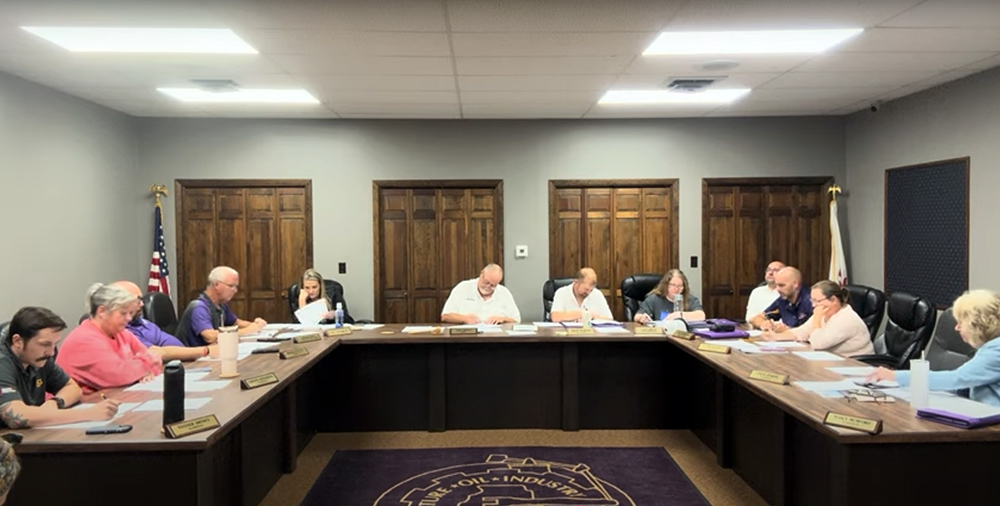
Casey Cracks Down on Blighted Properties, Considers Parental Responsibility Ordinance
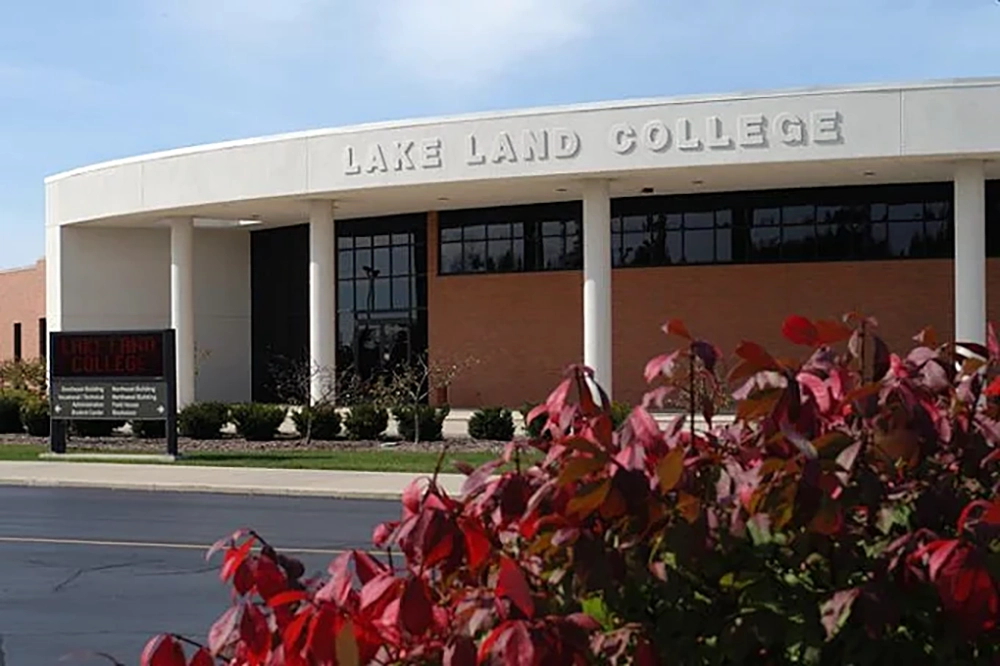
Lake Land College Invests Over $63,000 in Grammarly AI Tool to Boost Student and Staff Writing Skills
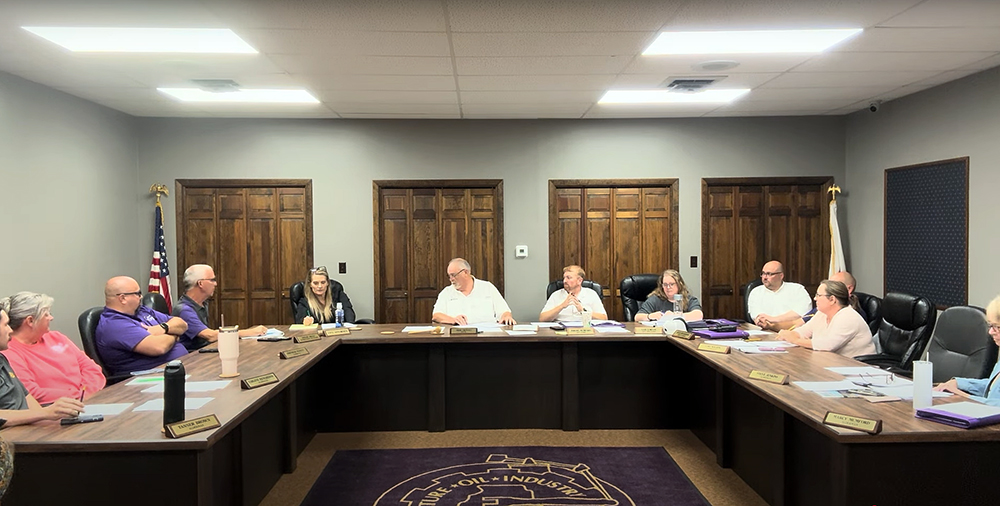
Casey Faces Utility Rate Hikes Amidst Inflation and Shrinking Customer Base
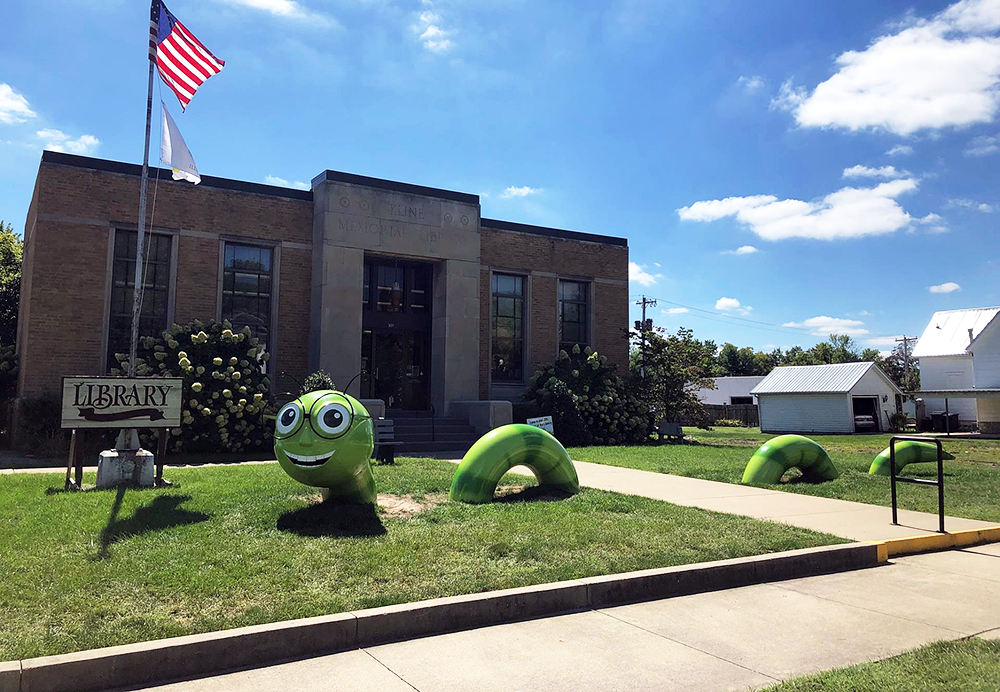
What’s Happening at the Library in August?
Casey Council Approves $33.27 Million Appropriation Plan for FY 2026
Cecile Stephens
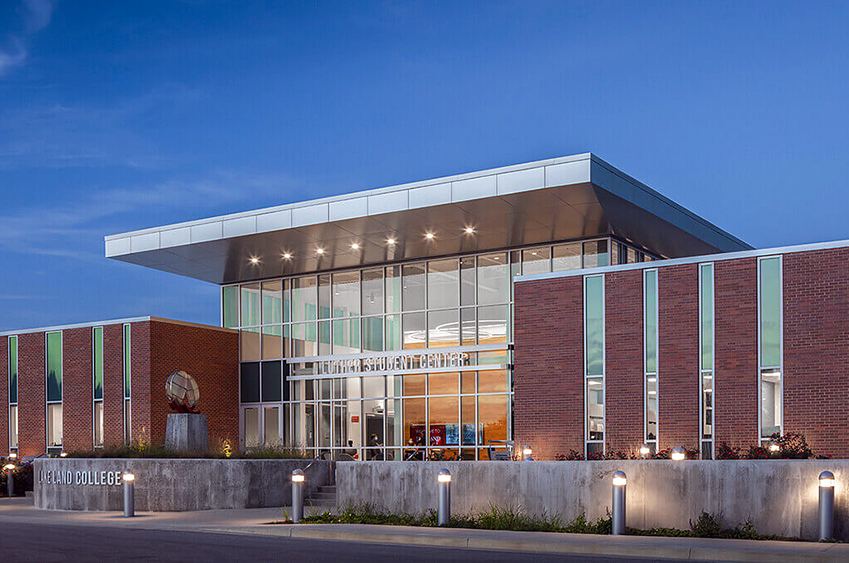
Lake Land College Board Approves 3% Pay Raises, New Salary Structure for Staff

Lake Land College Backs 12-Year Extension for Mattoon’s Midtown TIF District
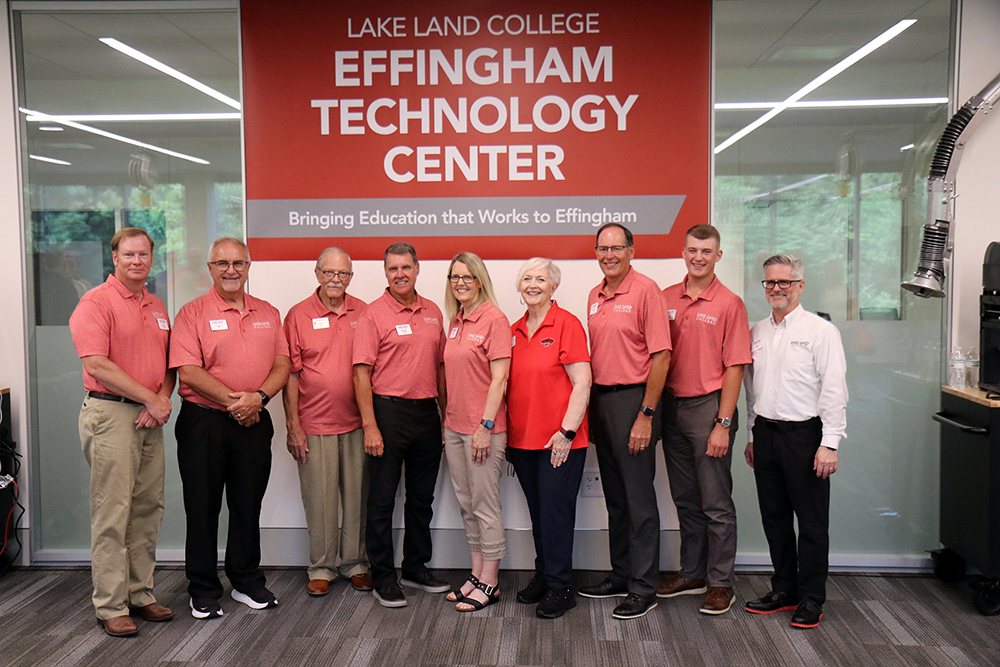
Lake Land College Celebrates Grand Opening of New Effingham Technology Center

EIU Leads OVC With 48 Academic Medal Of Honor Winners
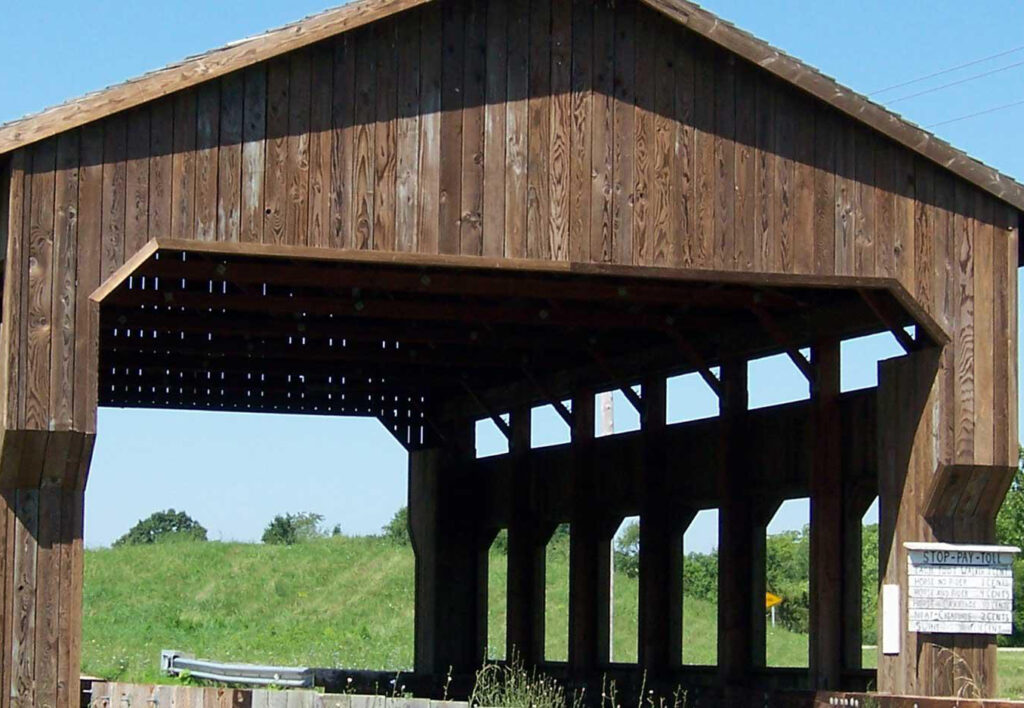
Suncode Energy Pitches Six-Part Community Solar Project Near Martinsville