
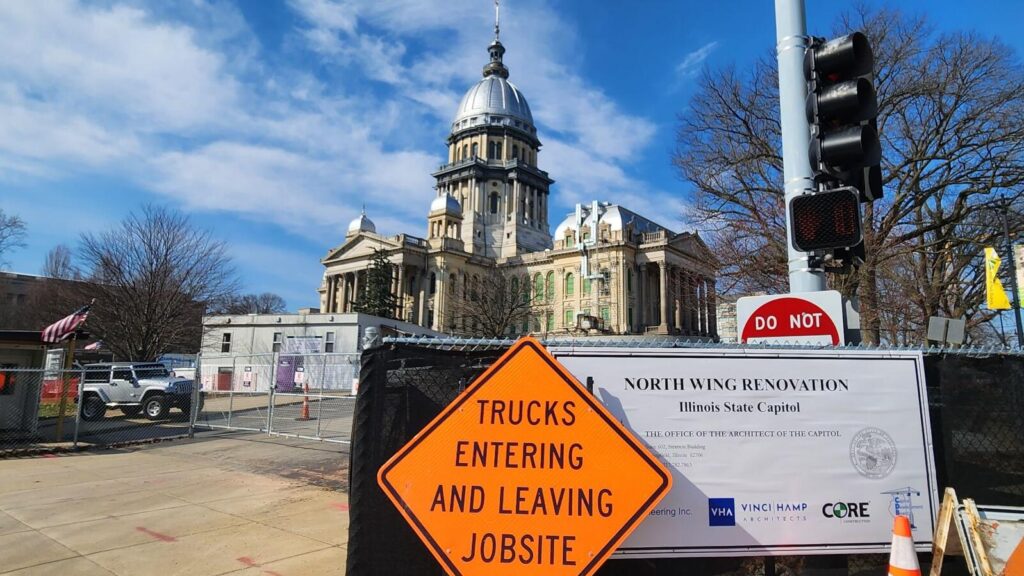
WATCH: GOP lawmaker: Pritzker-back energy omnibus will lead to higher bills
(The Center Square) – Illinois lawmakers are debating an energy omnibus bill during the final days of fall veto session, but the ratepayer impact of the legislation remains a question mark.
Several Illinois Democrats joined clean energy and organized labor groups to lobby support for Senate Bill 25 in Springfield Tuesday.
State Rep. Jay Hoffman, D-Swansea, said the electric price increases Illinoisans experienced last summer were unacceptable.
“We have to act and we have to act today and we have to act tomorrow and get this through this veto session, because we can’t go through another summer of these horrendous spikes in electricity bills,” Hoffman said.
Citizens Utility Board Executive Director Sarah Moskowitz joined Hoffman at the press conference and said the bill provides tools to protect consumers.
“These tools such as energy efficiency, battery storage, virtual power plants and optional time-of-use rates can work on a system-wide level to cost-effectively help us avoid electric price volatility,” Moskowitz said.
Lawmakers on both sides of the aisle have expressed opposition to a bill provision that would have consumers pay for the cost of battery storage.
Climate Jobs Illinois Executive Director Joe Duffy said the energy omnibus bill is a win for union workers.
“It ensures that major wind, solar and thermal energy projects will be built by skilled local union labor, benefiting Illinois communities,” Duffy said.
Climate Jobs Illinois is a coalition of labor organizations advocating for a pro-labor, pro-climate agenda.
According to clean energy advocates, Illinois Power Agency analysis shows SB 25, also known as the Clean and Reliable Grid Affordability Act (CRGA) will save consumers more than $13 billion over the next 20 years.
Illinois Senate Deputy Minority Leader Sue Rezin, R-Morris, said SB 25 is being pushed by Gov. J.B. Pritzker’s administration and was written by special interests.
“This proposal will lead to higher electric bills, less reliability and fewer options for families and manufacturers alike,” Rezin said.
Rezin said the bill lifts price caps on rates and consumers will pay the price.
According to Rezin, energy prices have gone up because capacity is being forced offline.
“Natural gas plants in this state are being forced offline. Natural gas is the cheapest way to provide capacity, which is what we need because of the new economy, the [artificial intelligence] economy that you hear about,” Rezin said.
Rezin said other states are building out natural gas combined-cycle plants to power their data centers.
Illinois Industrial Energy Consumers Chairman Phillip Golden called on the state legislature to delay a vote on the bill in order to clarify the economic impact it will have on electricity consumers.
Golden said in a statement that any benefits from the legislation would take decades to see, but “the real costs would start immediately.”
The fall veto session is scheduled to conclude Thursday.
Events

Latest News Stories

Lower U.S. oil production projected in 2026

GOP leader disputes Newsom’s comments on Colbert’s show

‘Ivy League’ doesn’t mean excellent medical schools, according to new index

Report: ‘weaknesses’ and ‘unusual increases’ found in management of Ukrainian aid
WATCH: Illinois lawmakers clash over election consolidation and compulsory voting

Gubernatorial candidate calls for reason, peace outside Illinois ICE facility

Report: Soros foundation gave $80M to groups tied to ‘extremist violence’

Colorado economists warn of potential recession, cite tariffs

Colombian President calls for criminal charges against Trump over boat strikes

More than 2 million deportations, self-removals in less than 250 days

Illinois quick hits: Officer charged in straw gun case
WATCH: Pritzker looks for 4% ‘efficiencies’ after increasing spending 43% since 2019