
Exclusive: America’s HealthShare launches as alternative to ‘broken’ healthcare system
America’s HealthShare launched Thursday as a free-market, community-based healthcare alternative that allows for affordability and personalized care without funding procedures individuals may morally oppose.
America’s HealthShare President David G. Lejeune stated: “We are proud to launch America’s HealthShare – a community built for working families and individuals who want to take control of their healthcare without the burden of skyrocketing premiums, surprise bills, financial uncertainty, or paying for procedures that go against their beliefs.”
“While Washington debates government spending and healthcare mandates, one fact remains clear: our nation’s health care system is broken,” Lejeune said.
“Fortunately, free-market solutions supporting the MAHA movement are giving people real choices for affordable and comprehensive care,” Lejeune said.
According to a news release, AHS is “a member-driven health sharing community rooted in liberty, responsibility, and transparency.”
AHS was launched as an alternative to the “expensive, bureaucratic, and ideologically driven,” current healthcare system, the release said.
“AHS empowers Americans with price transparency, personalized care, and the freedom to avoid funding procedures they morally oppose,” the news release said.
AHS operates by a sharing system, different from traditional insurance.
This “health freedom model” helps families “share medical costs without breaking their budgets or their values,” the news release said.
“Members receive affordable, transparent pricing, preventive and personalized care, and access to a community of like-minded Americans committed to health sovereignty and shared responsibility,” the release said.
AHS offers three different sharing programs with varying AUAs, each appropriately entitled RED, WHITE, or BLUE.
RED is America HealthShare’s “most comprehensive program” that includes a long list of health needs such as hospital and ER visits, integrative and naturopathic care, ethical fertility treatments, and complete maternity care, according to a sharing programs document.
The WHITE program is specifically designed for single people ages 18-29.
These young adults have access to care like hospital and emergency visits, Natural Family Planning Education, and surgery among others and are also offered optional add-ons.
BLUE is for those who need care when “disaster strikes” and includes a condensed care list.
In a flyer, AHS laid out its five basic beliefs concerning healthcare as follows: it should “be affordable and clear about costs;” “focus on personalized, preventative care;” “respect your health sovereignty;” “support a community that shares and cares;” and “honor your personal values and conscience.”
The flyer states that AHS “offers a new way forward, empowering individuals to direct their own care, access cutting-edge services, and share eligible medical expenses.”
As Lejeune said: “America’s HealthShare is not insurance. It’s a health freedom model – a member-driven community where people share and manage their healthcare together.”
Events
Latest News Stories

Illinois quick hits: Madigan attempts another appeal; prison mail scanning rules proposed

IL US Rep: Failing schools cost billions in ‘epidemic’ of poor proficiency

Plaintiffs weigh steps after appeals court upholds transit concealed carry ban
IL comptroller candidate touts experience, focuses on transparency

WATCH: Pritzker expects feds soon; appeals court affirms transit concealed carry ban
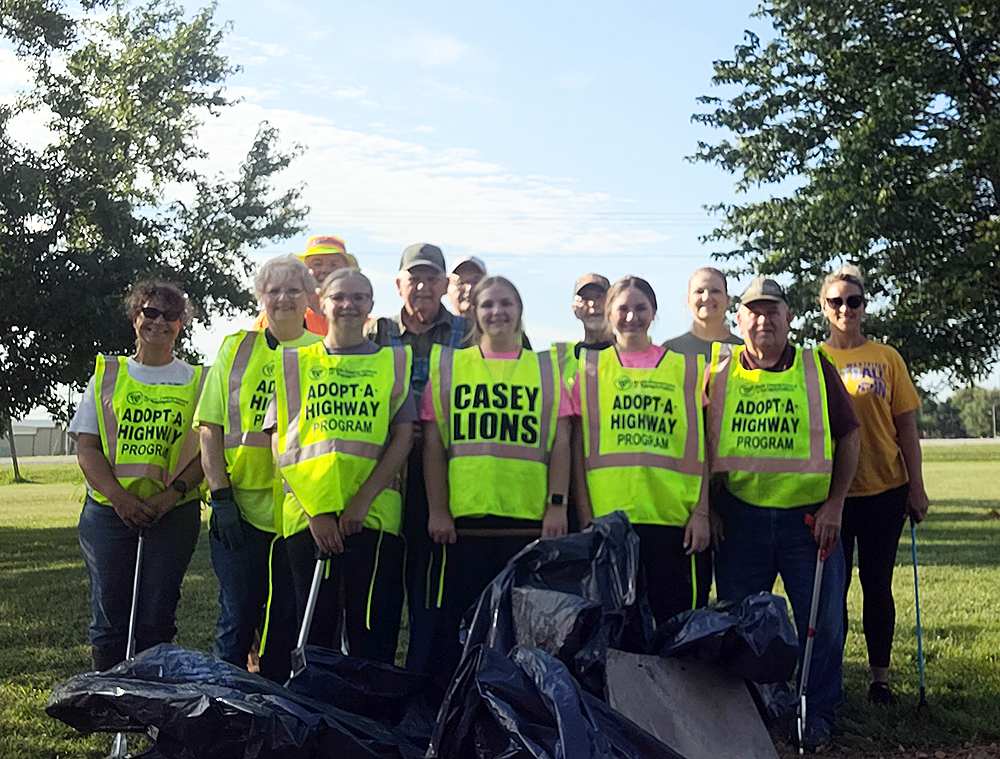
Casey Lions Club Cleans Up Rt 40

Illinois quick hits: Economic conditions show stability; EPA recruitment efforts

Casey Fire Chief Outlines Equipment Needs, Including New Truck and Thermal Camera

Casey Officials Praise ‘Incredible’ Popcorn Festival for Community Spirit, Economic Boost

Casey Fire District Board Approves Administrative Salary Raise, Adopts Tentative Budget

WATCH: Pritzker focuses on violence intervention; VP won’t confirm deployments
House committee investigating Dem governors for ‘illegal alien’ Medicaid spending