Trump confirms Nvidia chip agreement
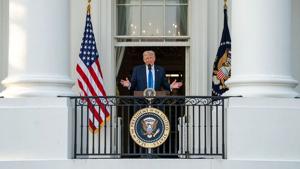
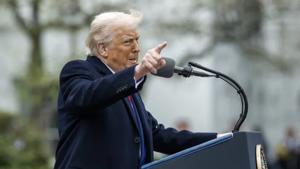
Nvidia will pay the United States 15% of the money it makes from selling artificial intelligence chips to China, President Donald Trump said in a press conference on Monday.
Trump said he allowed Nvidia CEO Jensen Huang to sell H20 chips to China while the company provides the U.S. government with a kickback of the profits.
“The H20 is obsolete,” Trump said. “So we negotiate a little deal so he’s, essentially, selling an old chip,” Trump added, referring to Huang.
Trump said he initially asked for a 20% cut from sales of Nvidia’s chips but the two landed on 15%.
In April, Trump banned Nvidia from selling H20 chips to China. The administration later reversed the ban in July.
A coalition of democratic lawmakers, including Sen. Chuck Schumer, D-N.Y., criticized the administration’s July reversal.
“Limiting the PRC’s access to advanced compute has been a focus of Congress: one with a strong bipartisan commitment across both chambers and both parties,” The letter read.
“The PRC’s development of advanced AI capabilities represents a clear risk to the United States’ national and economic security, and the administration’s willingness to trade away that security is extremely troubling,” the letter continued.
Slight Chance Showers And Thunderstorms then Chance Showers And Thunderstorms
Latest News Stories
Republicans challenge Clyde in Georgia’s 9th District
Fort Bragg soldier’s case continues Tuesday in New York
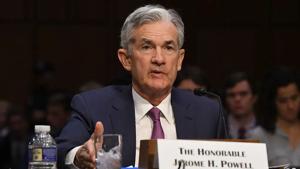
Justice Department drops Federal Reserve probe, kicks to watchdog
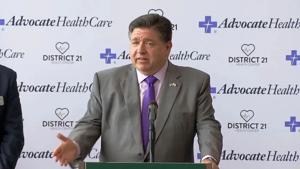
Pritzker: ‘Need for speed’ for megaprojects bill with tax breaks

NYC schools probed over claims of antisemitism
Illinois Quick Hits: AFP says tax breaks would be more at Soldier Field
Soldier’s insider trading case puts prediction markets to the test
U.S. will continue blockade ‘as long as it takes,’ Hegseth says
Casey to Donate Surplus Tornado Siren to Village of Westfield
Gori seeks quick end to asbestos fraud, lawsuit ‘bounties’ case
Texas Ten Commandments law may reach Supreme Court

Feds reopen probe into LAUSD race-based program