Trump confirms Nvidia chip agreement
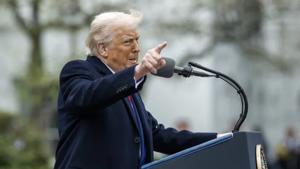
Nvidia will pay the United States 15% of the money it makes from selling artificial intelligence chips to China, President Donald Trump said in a press conference on Monday.
Trump said he allowed Nvidia CEO Jensen Huang to sell H20 chips to China while the company provides the U.S. government with a kickback of the profits.
“The H20 is obsolete,” Trump said. “So we negotiate a little deal so he’s, essentially, selling an old chip,” Trump added, referring to Huang.
Trump said he initially asked for a 20% cut from sales of Nvidia’s chips but the two landed on 15%.
In April, Trump banned Nvidia from selling H20 chips to China. The administration later reversed the ban in July.
A coalition of democratic lawmakers, including Sen. Chuck Schumer, D-N.Y., criticized the administration’s July reversal.
“Limiting the PRC’s access to advanced compute has been a focus of Congress: one with a strong bipartisan commitment across both chambers and both parties,” The letter read.
“The PRC’s development of advanced AI capabilities represents a clear risk to the United States’ national and economic security, and the administration’s willingness to trade away that security is extremely troubling,” the letter continued.
Slight Chance Showers And Thunderstorms then Chance Showers And Thunderstorms
Latest News Stories

Meeting Summary and Briefs: City of Marshall City Council for February 23, 2026

Public school test scores continue to decline since pandemic
Southwestern states react to U.S. airstrikes in Iran

Appeals court won’t delay tariff refunds

Oil, gas prices jump as Iran war disrupts Middle East output

Number of service members killed in action rises to six
Bill filed to create Illinois Epstein Files Investigation Commission
Lawmakers request DOJ probe into whether Somali fraud and ICE protests are linked
Questions remain on Trump’s plans for $2,000 tariff rebate checks

Illinois Quick Hits: EPA offers grants to public water facilities

Victims, families support bill protecting victims of sexual assault in schools
Retired military officials warn CMS bidding expansion poses national security risks