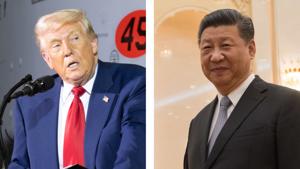
Trump delays China tariffs by 90 days
The deadline to enact further reciprocal tariffs against China will be extended by 90 days, President Donald Trump announced Monday night.
“[China] continues to take significant steps toward remedying non-reciprocal trade arrangements and addressing the concerns of the United States relating to economic and national security matters,” Trump explained in an executive order.
The deadline was set to expire on Aug. 12. The new deadline is set for after midnight on Nov. 10.
While negotiations with China are worked out, a 10% reciprocal tariff rate will remain in effect until Nov. 10, according to a fact sheet provided by the White House.
“President Trump is ensuring economic cooperation between two of the largest economies in order to protect American interests, stop unfair trade practices, and strengthen America’s domestic manufacturing base,” the fact sheet read.
In April, the U.S. imposed 145% tariffs against Chinese imports and China retaliated with 125% tariffs on U.S. goods.
The countries backed off these tariffs after meeting in May. The U.S. went down to 30% tariffs while China went down to 10%.
The fact sheet said the U.S. goods trade deficit with China was $295.4 billion in 2024. The White House said this number is “already decreasing substantially.”





Clear
Latest News Stories

Illinois gun owners plan rally in wake of Supreme Court order

Artemis II mission breaks records Monday as astronauts observe far side of the moon
Illinois quick hits: Illinois House speaker’s son to attend private school; AFSCME workers set strike date at Illinois State University; IDOT urges public to avoid distracted driving
Federal-state showdown looms over regulation of prediction markets

No-knock warrant legislation brings Chicago victim, Illinois gun group together
Trump promises ‘complete demolition’ in Iran as deadline looms

‘We leave no American behind’: President Trump details Easter rescue of downed airman

Michigan charges dentist in alleged ‘massive’ Medicaid fraud scheme

Illinois bill sparks debate over police privacy vs. public access

Signature process begins to ban large data centers in Ohio

U.S. Supreme Court agrees to hear veteran’s benefits challenge

Supreme Court declines to hear challenge to Illinois public transport gun ban