Pro-marijuana groups claim reclassification would be good for businesses
The Trump administration is looking to reclassify marijuana as a less dangerous drug, which could lessen criminal penalties and expand banking opportunities for companies in the business.
President Donald Trump said he could make a decision on the reclassification in the next few weeks.
Marijuana is currently considered a schedule I drug alongside heroin and crack cocaine. Schedule I means it has a high potential for abuse or misuse.
Paula Savchenko, founder of the cannabis licensing consultant cannacore group, said this classification limits operations for businesses that try to sell marijuana.
“If we have marijuana reclassification, that would be transformative for the industry because it would help with a lot of the issues that we have in operating in the industry,” Savchenko said.
In 1982, Congress passed section 280E of the tax revenue code. The section contains a provision limiting businesses involved in selling Schedule I and Schedule II substances from deducting business expenses like rent, utilities or employee wages.
Savchenko said this restriction makes it so businesses are essentially paying 50% in taxes. She said it is “almost impossible” for the businesses that sell marijuana to be profitable.
“These companies are doing their best to operate lean and be profitable and make money but it’s really, really difficult to do that,” Savchenko said.
Apart from business considerations, Savchenko said rescheduling marijuana would create more opportunities for research and create greater economic opportunities.
Even with declassification, Savchenko said the decision would still be up to state governments on how they wish to proceed with regulation marijuana. Still, she said Trump’s consideration is an exciting move for the industry.
“I think it will just lift this huge cloud that’s been over the industry for a long time now,” Savchenko said.
Marijuana and marijuana products are illegal under federal law. However, recreational use of marijuana has been approved in 24 states, including California, Missouri and Maine.





Partly Sunny
Latest News Stories

DHS launches new initiative to crack down on student visa fraud

‘Ghost projects’ haunt power grid planners and taxpayers

WATCH: $10M campaign finance fine dropped; Digital ID unveiled, Chicagoans speak up

ICE, Border Patrol agents experience historic surge of vehicular attacks this year

Poll: Americans support eliminating Department of Education

Exclusive: Nonprofit leader urges fight against ‘woke capitalism’

As pennies disappear, businesses turn to hoarding, rounding

Chicago tax proposals draw concern over legality, ‘economic death spiral’
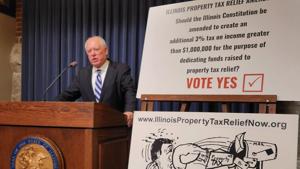
Illinois quick hits: Former governor proposes millionaire’s surcharge; digital state ID launched
Louisiana Rep. Clay Higgins defends Epstein ‘no’ vote
U.S. Senate passes bill to release Epstein files, heads to Trump’s desk
Abbott designates Muslim Brotherhood, CAIR as foreign terrorist organizations