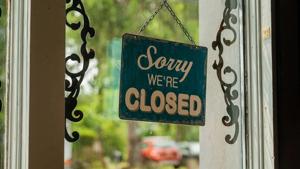
Pro-marijuana groups claim reclassification would be good for businesses
The Trump administration is looking to reclassify marijuana as a less dangerous drug, which could lessen criminal penalties and expand banking opportunities for companies in the business.
President Donald Trump said he could make a decision on the reclassification in the next few weeks.
Marijuana is currently considered a schedule I drug alongside heroin and crack cocaine. Schedule I means it has a high potential for abuse or misuse.
Paula Savchenko, founder of the cannabis licensing consultant cannacore group, said this classification limits operations for businesses that try to sell marijuana.
“If we have marijuana reclassification, that would be transformative for the industry because it would help with a lot of the issues that we have in operating in the industry,” Savchenko said.
In 1982, Congress passed section 280E of the tax revenue code. The section contains a provision limiting businesses involved in selling Schedule I and Schedule II substances from deducting business expenses like rent, utilities or employee wages.
Savchenko said this restriction makes it so businesses are essentially paying 50% in taxes. She said it is “almost impossible” for the businesses that sell marijuana to be profitable.
“These companies are doing their best to operate lean and be profitable and make money but it’s really, really difficult to do that,” Savchenko said.
Apart from business considerations, Savchenko said rescheduling marijuana would create more opportunities for research and create greater economic opportunities.
Even with declassification, Savchenko said the decision would still be up to state governments on how they wish to proceed with regulation marijuana. Still, she said Trump’s consideration is an exciting move for the industry.
“I think it will just lift this huge cloud that’s been over the industry for a long time now,” Savchenko said.
Marijuana and marijuana products are illegal under federal law. However, recreational use of marijuana has been approved in 24 states, including California, Missouri and Maine.






Mostly Sunny
Latest News Stories

Giannoulias ramps up campaign for state regulation of auto premiums

Trump demands air traffic controllers return to work

Analysis: Trump’s proposed tariff rebate would cost twice as much as tariffs

Trump pardons 77 people linked to 2020 presidential election challenge

Supreme Court agrees to hear election law challenge
Supreme Court declines to hear same-sex marriage challenge

Illinois quick hits: Illinois U.S. senators split on shutdown vote

‘Code and Country’ report urges stronger U.S. response to China’s AI ambitions
Meeting Summary and Briefs: Casey City Council for November 03, 2025
Light at the end of the government shutdown tunnel

Everyday Economics: Is AI to blame for the layoffs – or a late-cycle hangover?

Deal close in U.S. Senate to reopen government