Appeals court says Trump can move forward with foreign aid cuts
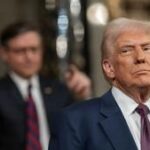
A federal appeals court ruled Wednesday that the Trump administration can cut billions of dollars in foreign aid that had been appropriated by Congress.
The U.S. Court of Appeals for the District of Columbia Circuit ruled 2-1 in the White House’s favor, finding the lawsuit brought forth by aid organizations lacked the legal right to challenge President Donald Trump’s actions.
In a day-one executive order, Trump directed the U.S. Agency for International Development to freeze foreign aid payments, a move that was eventually blocked by a district judge in March. Wednesday’s ruling reversed the district judge’s decision and allows the Trump administration to proceed in its plans to significantly shrink U.S. assistance abroad.
The aid groups who filed the lawsuit claimed the White House did not have authority to block funds appropriated by the legislative branch. In its decision Wednesday, the appeals court avoided the question of constitutionality and rather ruled on the grounds that the groups lacked legal authority to sue.
U.S. Circuit Judge Karen Henderson, appointed by former President George H.W. Bush, wrote on behalf of the majority.
“The district court erred in granting that relief because the grantees lack a cause of action to press their claims,” Henderson wrote.
The court’s decision stated that while the nonprofits do not have sufficient cause to sue the Trump administration over its cuts to foreign aid, Congress’ legislative watchdog does have the legal authority to do so. The court said the 1974 Impoundment Control Act gives the legislative branch’s Government Accountability Office power to challenge Trump’s actions if it chooses to do so.
Judge Florence Pan, an appointee of former President Joe Biden, dissented. She argued that the president does not have authority to rescind money allocated by the legislative branch.
“The court’s holding that the grantees have no constitutional cause of action is as startling as it is erroneous,” Pan said. “The majority holds that when the president refuses to spend funds appropriated by Congress based on policy disagreements, that is merely a statutory violation and raises no constitutional alarm bells.”





Sunny
Latest News Stories

Trump puts spotlight on China, Iran’s top oil consumer
Lawmakers, auditors offer fraud prevention solutions

Illinois unions seek to kill Waymo-friendly bill in Springfield
Rich States Poor States: Tax policy largely determines states’ economic competitiveness
78 pro-life orgs ask DOJ to stop undermining state laws by favoring aborting drug industry

Illinois Quick Hits: Two of ComEd four released; new trial expected

Casey-Westfield Launches Seven Home Runs in 18-4 Rout of Tri-County

Meeting Summary and Briefs: Casey City Council for April 6, 2026

Chicago suit vs oil cos. may yet survive SCOTUS ruling, judge hints

Two of ComEd Four released. new trial pending
GOP candidate Bailey urges Trump to apologize to pope; bishop calls for dialogue

Senator says taxpayers fleeced by corrections department