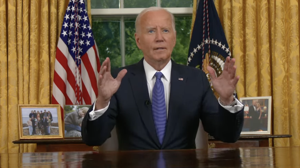
Three years later, Inflation Reduction Act blamed for higher Medicare costs
This past weekend marked the third anniversary of the Inflation Reduction Act, signed into law by former President Joe Biden in 2022.
While the law was promoted as a way to lower prescription drug costs for seniors, insurers and policy analysts say it is driving up prices.
CVS Health Corporation CFO Thomas Cowhey told investors that both traditional Medicare and Medicare Advantage beneficiaries would see “much, much higher prices for that Part D benefit.”
Critics say the law adds billions of dollars in new costs for Medicare Advantage plans while limiting their ability to control expenses. Some benefits have become what analysts call “Ghost Benefits.” These are taxpayer-funded supplemental perks that look good on paper but are underused.
A 2024 JAMA Network Open study found that of the $86 billion in annual taxpayer-funded supplemental Medicare Advantage benefits, only $3.9 billion went toward dental, vision and hearing coverage.
Analysts say the IRA’s attempt to push prescription drug costs onto insurers isn’t working.
Notably, Dr. Tomas Phillipson told Fox Business News that premiums were “skyrocketing” due to the Inflation Reduction Act.
MarketWatch’s Brett Arends wrote last year that “The latest price surges follow the passage in 2022 of the Inflation Reduction Act, which capped drug costs for Medicare beneficiaries and transferred costs to the insurance companies. The insurers […] are inevitably trying to recoup some of those costs through higher premiums.”
The Better Medicare Alliance reported that from 2024 to 2025, the average out-of-pocket maximum in Medicare Advantage increased by 8%. Vision, hearing and dental benefits remain mostly the same. However, plans offering meals, nutrition services, transportation and over-the-counter benefits will decrease, according to its analysis. The group also projected that 31 states will see fewer individual plan options next year.
One problem is that the law also shifted catastrophic drug costs to insurers and imposed a $2,000 out-of-pocket cap without offsetting subsidies. Critics say this has contributed to federal bailouts for plans, including $7 billion last year to prevent premium hikes in an election year and a $25 billion rate increase this year.
The Paragon Health Institute says the law has led to “a significant increase in the subsidies that taxpayers pay to insurance companies” while leaving seniors with “fewer coverage options.”
“The goal of the IRA was to shift costs away from the Medicare program and its beneficiaries onto Part D plans,” the Paragon Health Institute’s analysis said. “But the result has been a significant increase in the subsidies that taxpayers pay to insurance companies. Even with the temporary reprieve from higher drug premiums, this policy has left seniors with fewer coverage options. The old adage about free lunches holds true: shifting costs elsewhere does not eliminate them – and in this case, it increased them.”






Mostly Sunny
Latest News Stories

Bipartisan lawmakers reintroduce DACA protections

Routh guilty on all charges in plot to kill Trump

Trump, Zelenskyy meet as Russia accused of violating NATO nations’ air space

WATCH: IL governor on photo with wanted suspect: ‘No way to vet everybody’

Illinois quick hits: Constitutional amendment would guarantee parental rights
Oversight committee expands probe on ‘politically motivated’ debanking

‘Brutal slog:’ Government shutdown looms as bipartisan negotiations derail
WATCH: Republican leader: says Pritzker budget cut EO a ploy for IL tax increases

Nebraska attorney general sues Lorex over Chinese surveillance concerns

Colorado pushes ahead on clean energy as EV funding returns

Trump lectures UN, Western Europe for policy failures

Arizonans vote on successor to U.S. Rep. Raúl Grijalva