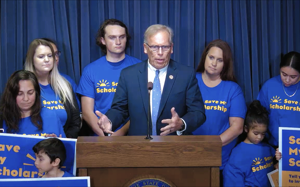
Industry advocates: More state regulation will drive insurance rates higher
(The Center Square) – Insurance industry leaders are advising Illinois lawmakers that state regulation of rates will lead to higher costs and fewer options for consumers.
The Illinois Senate Insurance Committee held a virtual subject matter hearing on homeowners and property insurance rates Wednesday.
Former Illinois Director of Insurance Nat Shapo said Illinois has sound regulation and lower rates than the national average.
“It’s not an unregulated market. Competition regulates the market. Consumers can protect themselves by comparison shopping. They do it for everything they buy in a competitive market,” Shapo explained.
Shapo said rates are higher because people have filed more loss claims.
Robert Gordon, senior vice president of the American Property Casualty Insurance Association, said Illinois has been a success story with below-average insurance rates, strong competition and market stability.
“Property losses are escalating in Illinois, like every other state, because of building inflation and climate change. Illinois homeowners insurers, though, lost money over the decade and particularly high property insurance losses in the last two years,” Gordon said.
Gordon said three things have caused increased homeowner losses: Macroeconomic issues, including 40-year high inflation and more severe inflation for building materials and labor, climate issues which include people moving into more expensive buildings in areas prone to severe weather, and costs from state government, including coverage mandates and legal system abuse.
Illinois Secretary of State Alexi Giannoulias and several state lawmakers have proposed banning insurance companies from using age, credit scores or zip codes from to determine auto premiums.
State Sen. Julie Morrison, D-Lake Forest, asked former University of Illinois Office of Risk Management and Insurance Research director Lynne McChristian if people with poor credit scores file more claims.
“That’s what the data shows. Typically, people with low credit scores are more likely to file claims. The balance on that is to say that about 70%, close to 72% of Americans have good credit, so those people get the benefit of that when an insurance score is developed,” McChristian said.
State Sen. Laura Fine, D-Glenview, suggested more government involvement.
“So much of this is clear as mud. We don’t have enough transparency. When we see the rates going up so much, people need to understand and they need to know that the state is looking out for them,” Fine said.
State Sen. Dave Syverson, R-Cherry Valley, said homeowners insurers in Illinois have been losing more money on their capitals or percentage than they are in California.
“The difference is, insurers have faith in the regulatory system in Illinois. They know, historically, it’s been working. Even though they have been suffering enormous losses over the last decade in Illinois, they believe in the regulatory system, and so they’re staying in the market. You’re not seeing the pullback like you are in the states that are regulating their market,” Syverson explained.
Syverson said Illinois has lots of options with over 1,000 insurers. He suggested it might be helpful to inform consumers and make it easier for them to compare rates.






Mostly Sunny
Latest News Stories
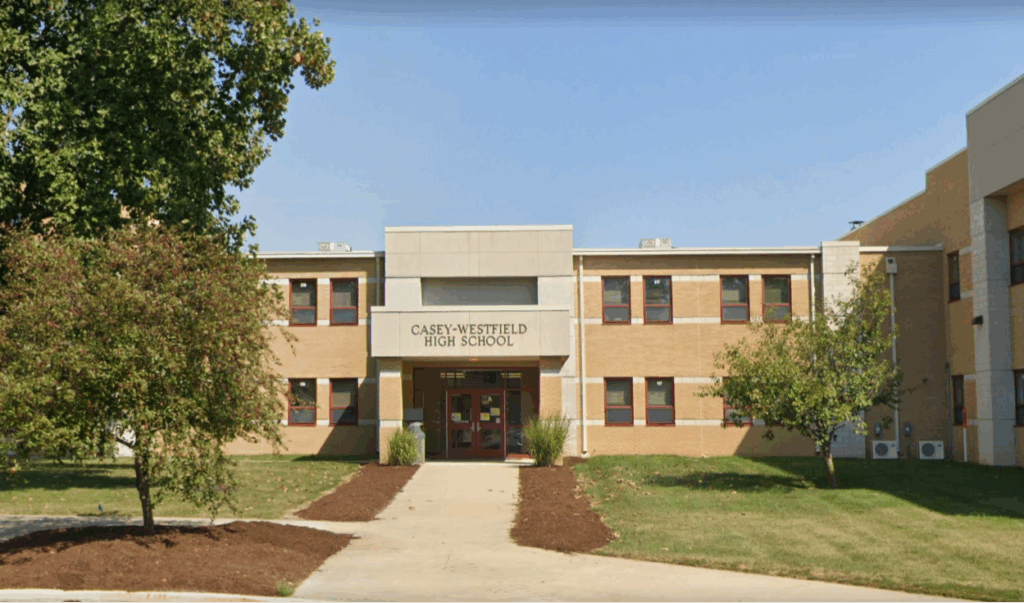
Casey-Westfield Board Eliminates One Support Position, Reassigns Two Aides
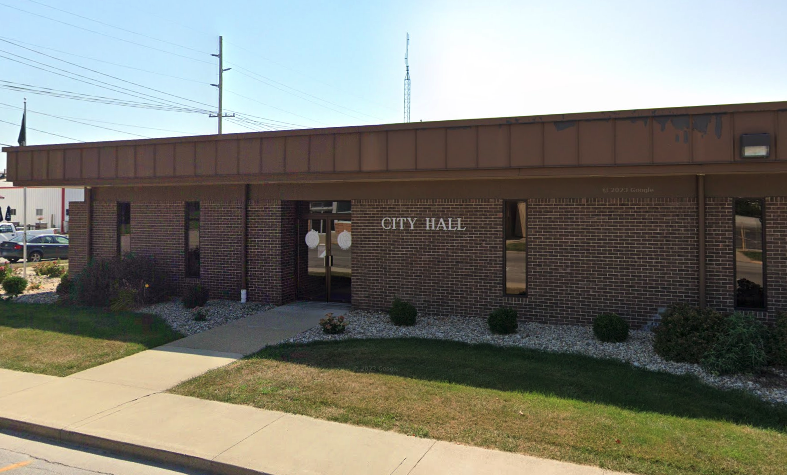
Casey to Raise Utility Rates Across Gas, Electric, Water and Sewer After $900,000 Shortfall

Bill to let felons vote from prison draws criticism from Republicans
Supreme Court yet to decide high profile cases

Government spending on seniors’ benefits soon to make up majority of federal budget
Illinois Dems seek to expand post-release convict support, housing

$580B federal highway bill clears committee; includes rail safety, EV fees

Tennessee smuggling charges against Kilmar Abrego Garcia dismissed

NASA reorganizes to accelerate Moon Base, lunar programs

Gabbard announces resignation, cites personal reasons

Illinois Quick Hits: Community College reimbursement bill passed
Powell out, Warsh in as new chair of Federal Reserve