
In-home care rule change proposal generates more than 1,500 responses
More than 1,500 responses were generated by Independent Women in support of reversing 2013 changes helping make in-home care more affordable and accessible to seniors.
The Department of Labor’s rule change under the Trump administration would “significantly reshape the landscape for millions of in-home care workers and the families who rely on them, and the perspectives of everyday Americans will add more personal dimension to this proposed policy,” the nonprofit women’s organization said in a release.
Independent Women says the proposed rule would “Reinstate the pre-2013 definition of companionship services, allowing many in-home caregivers, including those employed through third parties, to qualify for an exemption from overtime requirements once again.”
It would also “make in-home care more accessible and affordable again, so more families could find the help they need in the comfort of their own homes,” offering more freedom and flexibility to families and workers.
During the Obama administration, the Home Care Rule “narrowed the scope of the ‘companion exemption,’ a provision that had previously protected certain caregiving arrangements from rigid overtime requirements,” writes Heather Madden for Independent Women in The Conservateur. “Under the rule, if a caregiver devotes over 205 of their time to essential care tasks such as meal preparation, assistance with dressing, or transportation to medical appointments, the arrangement can no longer qualify for a companionship exemption.
“Additionally, caregivers employed through third-party agencies are entirely ineligible for this exemption.”
That makes care harder to find and afford, Independent Women says.
Congress in 1974 exempted workers in “domestic service” or providing “companionship services for individuals” from minimum wage and overtime requirements.
On July 25, the Wage and Hour Division suspended the 2013 rule while reevaluation takes place.
Settlement of keeping the 2013 rule or adopting the 2025 change could be enacted as soon as the fourth quarter of this calendar year.




Sunny
Latest News Stories

Refilling Strategic Petroleum Reserve begins

WATCH: Lawmakers call out Pritzker for lack of transparency with budget cuts

Report: Barriers to social mobility largely manmade
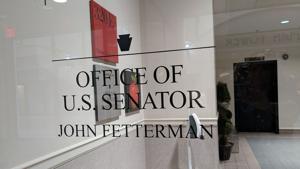
Fetterman hospitalized for heart episode

Federal services to slowly recover following end of government shutdown

IL congressman pushes military to accept CLT, experts say it could shape education

MS-13 members prosecuted nationwide for brutal murders, fentanyl trafficking

Lakers Volleyball Claims Region XXIV Championship

Illinois, Chicago residents rank high taxes as state’s top issue
Jan. 6 panel cost twice previous estimates, hiring TV producers to dramatize attack

Road Warriors: Casey-Westfield Overwhelms Nokomis 48-14 to Rumble into IHSA Elite 8

Lady Warriors’ Season Ends in Hard-Fought Regional Championship Loss to ALAH

Illinois quick hits: Illinois House members vote along party lines; More than 40% of CPS teachers missed 10 or more school days; State Treasurer says Bright Start earns gold