
In-home care rule change proposal generates more than 1,500 responses
More than 1,500 responses were generated by Independent Women in support of reversing 2013 changes helping make in-home care more affordable and accessible to seniors.
The Department of Labor’s rule change under the Trump administration would “significantly reshape the landscape for millions of in-home care workers and the families who rely on them, and the perspectives of everyday Americans will add more personal dimension to this proposed policy,” the nonprofit women’s organization said in a release.
Independent Women says the proposed rule would “Reinstate the pre-2013 definition of companionship services, allowing many in-home caregivers, including those employed through third parties, to qualify for an exemption from overtime requirements once again.”
It would also “make in-home care more accessible and affordable again, so more families could find the help they need in the comfort of their own homes,” offering more freedom and flexibility to families and workers.
During the Obama administration, the Home Care Rule “narrowed the scope of the ‘companion exemption,’ a provision that had previously protected certain caregiving arrangements from rigid overtime requirements,” writes Heather Madden for Independent Women in The Conservateur. “Under the rule, if a caregiver devotes over 205 of their time to essential care tasks such as meal preparation, assistance with dressing, or transportation to medical appointments, the arrangement can no longer qualify for a companionship exemption.
“Additionally, caregivers employed through third-party agencies are entirely ineligible for this exemption.”
That makes care harder to find and afford, Independent Women says.
Congress in 1974 exempted workers in “domestic service” or providing “companionship services for individuals” from minimum wage and overtime requirements.
On July 25, the Wage and Hour Division suspended the 2013 rule while reevaluation takes place.
Settlement of keeping the 2013 rule or adopting the 2025 change could be enacted as soon as the fourth quarter of this calendar year.






Mostly Sunny
Latest News Stories

Casey-Westfield Board Eliminates One Support Position, Reassigns Two Aides

Casey to Raise Utility Rates Across Gas, Electric, Water and Sewer After $900,000 Shortfall

Bill to let felons vote from prison draws criticism from Republicans

Supreme Court yet to decide high profile cases

Government spending on seniors’ benefits soon to make up majority of federal budget

Illinois Dems seek to expand post-release convict support, housing

$580B federal highway bill clears committee; includes rail safety, EV fees

Tennessee smuggling charges against Kilmar Abrego Garcia dismissed

NASA reorganizes to accelerate Moon Base, lunar programs
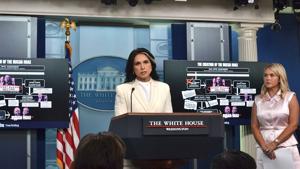
Gabbard announces resignation, cites personal reasons

Illinois Quick Hits: Community College reimbursement bill passed

Powell out, Warsh in as new chair of Federal Reserve