Casey Pursues $250,000 Grant for Sidewalks, Adopts New Pedestrian Plan
Article Summary: The Casey City Council advanced its efforts to improve student safety by approving a grant application for the Illinois Safe Routes to School program, which could provide up to $250,000 for new and improved sidewalks near local schools.
Safe Routes to School Grant Key Points:
-
The council passed Resolution #091525A, authorizing the city to apply for the state-funded grant, which requires no local financial match.
-
To strengthen its application, the council also formally adopted a new City of Casey Bicycle & Pedestrian Plan, demonstrating a strategic commitment to walkability.
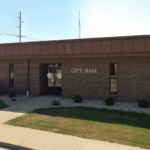
CASEY — The City of Casey is aiming to make the walk to school safer for its students by seeking a major state grant. On Monday, the City Council unanimously approved a resolution to apply for the Illinois Safe Routes to School (SRTS) program, which offers up to $250,000 to fund infrastructure improvements.
Economic Development Director Tom Daughhetee presented the resolution, explaining that the grant is highly competitive but would be fully funded by the Illinois Department of Transportation, requiring no local matching funds. The money would be used for sidewalk and related improvements in the area surrounding Casey-Westfield CUSD #C-4 schools.
“We’re working with Lee Beckman and Associates and Connor & Connor to put this together, and they’ve had great success with other communities,” Daughhetee told the council.
As a crucial step in the grant process, the council also voted to formally adopt a comprehensive City of Casey Bicycle & Pedestrian Plan. The plan outlines the city’s goals to create a safer, more connected network of sidewalks and pathways, noting that Casey currently lacks public transportation and safe, continuous routes linking residential areas with schools and businesses. Adopting the plan demonstrates to the state that the grant request is part of a broader, well-considered community strategy.
The resolution commits the city to dedicating funds for the project costs in its 2026 and 2027 fiscal years, which would then be fully reimbursed by the state if the grant is awarded.
Mostly Clear
Latest News Stories

Economists say Trump’s tariff play could boost trade deficits

Amnesty International condemns U.S. strikes on suspected drug boats
‘Astonishingly reckless:’ IL Dems intro tax on ‘unrealized gains’ to fund transit

Federal Reserve cuts key interest rate for second time this year

Immigrants grow Michigan’s population, advocates say

WATCH: Trump says he can’t run for third term after months of conjecture
Senate votes to approve ‘Bat Week’; no vote to end shutdown

Lady Warriors XC Team Advances to Sectional; Richardson Qualifies for Warriors

Paris Rallies Late, Upsets Warriors 22-17 in Regular Season Finale
Florida to crack down on H-1B visas, following Trump’s lead
Expert: Arizona’s 2026 budget faces Big Beautiful Bill impact

Research institute to Congress: Prioritize American healthcare over noncitizens

Illinois beef producers say Trump’s Argentina beef plan hurts farmers