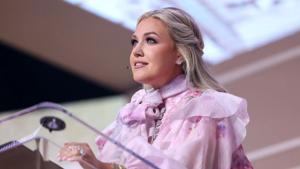
Erika Kirk named CEO of Turning Point USA
Erika Kirk, Charlie Kirk’s widow, has been named the chief executive officer and chair of the board at Turning Point USA.
Charlie Kirk founded the organization in 2012.
Erika Kirk, 36, was “unanimously” voted in by the board of directors to take over operations at the conservative political advocacy organization, according to a social media post from TPUSA.
Charlie Kirk was shot and killed on Sept. 10 while speaking at an event at Utah Valley University.
Turning Point USA’s social media post also said Charlie Kirk expressed to multiple executives that he wanted his wife to take on this position in the event of his death.
“Charlie prepared us all for a moment like this one,” TPUSA’s board of directors members wrote in a letter posted to social media. “Turning Point USA was built to survive even the greatest tests.”
“All of us at Turning Point USA have a special role in carrying Charlie Kirk’s mantle and completing his vision to bring us closer to our Lord and fostering a prosperous country for generations to come,” the letter read.
“We will not surrender or kneel before evil. We will carry on. The attempt to destroy Charlie’s work will become our chance to make it more powerful and enduring than ever before,” the letter read.




Mostly Sunny
Latest News Stories

Oz: Your zip code will no longer determine your life expectancy
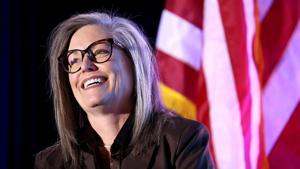
Experts dispute Arizona governor’s claims about state-funded school choice program

DOJ claims ‘substantial progress’ made on Epstein files, but no new releases

Trump eyes tariffs to pressure Greenland

Group wants records on Minnesota child care assistance program

WATCH: Ives investigates tax dollars for NGOs; Republicans say Pritzker raising energy prices

ICE hiring ban bill reignites SAFE-T Act fight at Illinois Capitol

Illinois Quick Hits: OIG recommends firing 5 employees

Firms team up with states to scrutinize health care spending

St. Paul students marked absent after protests against ICE
Poll: Trump’s approval rating falls 16% in Arizona

SCOTUS to consider second election law case