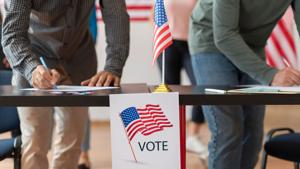
Illinois library staff to be trained with overdose antidotes under new law
(The Center Square) – Starting next year, Illinois public libraries must stock opioid overdose antidotes and train staff, a move supporters say saves lives, though critics worry it adds new burdens.
House Bill 1910 would require all Illinois public libraries to keep a supply of opioid antagonists, such as naloxone, a nasal spray that can reverse an overdose. The law also mandates at least one staff member on duty at all times be trained to administer it.
“Jordan Henry, a local high school senior, was inspired by her volunteer work in the Chicago area suburbs, where she sought to change the treatment model for substance use disorder from a ‘punishment’ model to a ‘care’ model,” stated the bill’s sponsor state Rep. Anna Moeller, D-Elgin, on social media, noting she worked with Henry to create the law.
Opponent David Smith, executive director of the Illinois Family Institute, argued the measure reflects a trend of libraries “looking for relevance” by expanding into roles beyond their traditional mission. He cited a previous proposal that would have allowed library districts to create mental health facilities.
Smith also connected the debate over naloxone to broader cultural shifts on drug policy. He said that when he was growing up in the 1980s, public service campaigns like “Just Say No” helped raise the perception of risk around drugs in an attempt to keep use down.
When asked if stocking opioid antidotes was outside the traditional role of libraries, Nadia Klekamp, director of Integrated Community Education, said libraries are natural access points for community health resources.
“I think of libraries as community centers. They serve as access points for many residents, whether it’s getting resources or using the internet. Providing additional access to naloxone is not beyond their scope,” said Klekamp.
Klekamp was asked if the law could discourage library staff or patrons from being at the library due to the possibility of encountering an overdose situation.
“I believe most library workers are public-minded individuals who serve their communities. This is simply another way to equip them to help,” said Klekamp. “I haven’t seen any evidence that it’s deterring people from the field.”
Chestnut Health Systems will provide grant-funded naloxone kits and training to libraries.
Taxpayer-funded grants from the U.S. Department of Health and Human Services, the Substance Abuse and Mental Health Services Administration, and local mental health boards allow Chestnut to provide naloxone kits and training at no charge to libraries, according to a Chestnut news release.
Cost won’t be a barrier for libraries, even small or rural ones, according to Klekamp.
“Naloxone through the state of Illinois is supported through grant funding, so it’s available and accessible to any community member within the state,” Klekamp explained.
In April, the White House released its 2026 budget proposal, including $33.3 billion in cuts to HHS and SAMHSA.
“Depending on what proposals turn into cuts and what funding allocation remains, is yet to be seen. For the time being, we are continuing to provide naloxone training and kits to help meet the needs of the communities we serve,” said Klekamp.
If someone experiencing an opioid overdose receives too much naloxone too quickly they may react aggressively. Klekamp was asked about potential liability if library staff administered naloxone and a situation turned violent.
“Library staff would not face liability if they are helping someone dealing with an overdose,” said Klekamp.






Sunny
Latest News Stories

Colombian President calls for criminal charges against Trump over boat strikes

More than 2 million deportations, self-removals in less than 250 days

Illinois quick hits: Officer charged in straw gun case
WATCH: Pritzker looks for 4% ‘efficiencies’ after increasing spending 43% since 2019
Lawmakers introduce new visa program legislation
Lawmakers to vote on bill forcing release of Epstein files
Adelita Grijalva wins congressional seat in Arizona

Authorities say shooting at Dallas ICE facility was ‘targeted’ attack

Amid Dallas shooting, assaults on ICE up 1,000%

IL bans PFAS in firefighter gear by 2027, raising safety, market questions

WATCH: Pritzker blames Trump for budget cut EO; Chicago public safety on Trump’s mind

Cato scholar calls Trump’s Antifa executive order ‘idiotic’