Cato scholar calls Trump’s Antifa executive order ‘idiotic’
A top Cato scholar said President Donald Trump’s move to designate Antifa a domestic terror organization was “idiotic.”
Patrick Eddington, a senior fellow in homeland security and civil liberties at the Cato Institute, said Trump’s executive order fell short.
“Yes, on the surface, the EO is idiotic on multiple levels,” he wrote. “The notion that an idea can be designated an organization is one. The fact that there’s no constitutional provision or statute granting any president the power to designate a domestic civil society organization a ‘domestic terrorist organization’ is another.”
Eddington also said the text of the executive order missed the mark.
“The EO’s declaration that ‘Antifa is a militarist, anarchist enterprise that explicitly calls for the overthrow of the United States Government, law enforcement authorities, and our system of law’ is more than false – it is designed to act as a justification for legal and coercive action against anyone or any entity that the regime designates as engaged in,” he wrote.
The White House cited “coordinated efforts” to “obstruct” federal law enforcement, specifically immigration enforcement operations through “organized riots” and “violent assaults,” including doxing.
The White House said the designation will allow law enforcement to use federal resources to investigate and “dismantle” “terrorist actions” attributed to the group or anyone “claiming to act on behalf” of the group. In addition, it will allow the federal government to investigate and prosecute those responsible for funding Antifa.
Eddington said the executive order goes too far.
“And none of those things matter, contrary to a lot of the legal or political commentary you may have already seen. What matters is that the administration asserts the authority to do this, and it has thousands of armed and armored federal law enforcement agents ready and able to carry out Trump’s orders – just as ICE and other federal agents (including mobilized National Guard troops) have been carrying out ‘immigration enforcement’ operations of dubious or no legality for months,” he wrote.
In a fact sheet released by the White House shortly after the designation, it listed several acts of violence attributed to Antifa, including a July ambush on an ICE facility in Alvarado, Texas, resulting in one officer being shot in the neck.
In May 2020, the Department of Justice “formally labeled Antifa violence as domestic terrorism.”
Eddington said it was enough to disturb the late novelist George Orwell.
“George Orwell, one of the most well-known antifascists of the last century, is undoubtedly rolling over in his grave right now,” Eddington wrote.
Domestic terrorism is defined in federal law as criminal acts occurring in the U.S. that either threaten human life, are intended to coerce or intimidate civilians or to influence government policy or action. However, domestic terrorism on its own is not a criminally chargeable offense. Congress has considered the possibility of new domestic terrorism laws, but concerns over constitutional rights have seemingly prevented lawmakers from doing so.
In a response to a question from The Center Square regarding Antifa, the president mentioned going after the group through the Racketeer Influenced and Corrupt Organizations Act, or RICO.



Isolated Rain Showers
Latest News Stories
2024 was deadliest year for journalists on record
Govt shutdown raises concerns over national security

Ex-speaker Madigan to begin 7.5-year prison sentence Monday

Meeting Summary and Briefs: Casey Township Library Board of Trustees for September 4, 2025
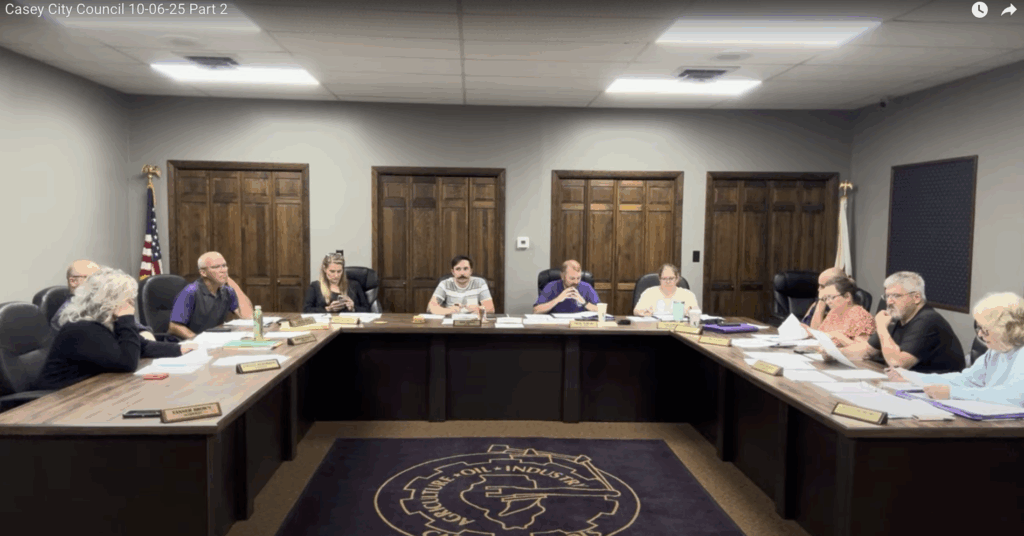
Casey to Demolish Dilapidated Downtown Building for $42,120
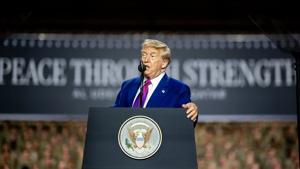
Trump says new 100% tariff on China as trade war escalates
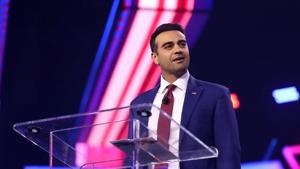
Arizona congressman calls for end to government shutdown

WATCH: Pritzker continues encouraging ICE protests after Guard blocked

Illinois quick hits: Ag incentives announced; Cook County announces increased budget

Former board member expressed concerns about indicted DeKalb superintendent
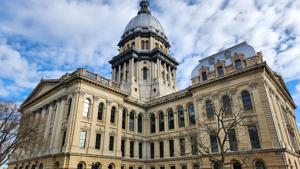
Fiscal Fallout: Illinois has among highest-paid state employees

Report: State reliance on federal funds up significantly since 1990s