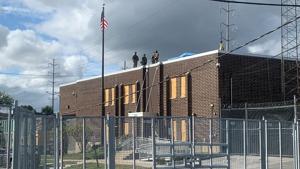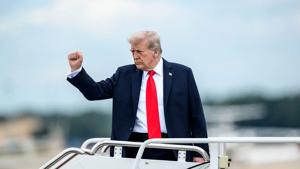
Immigration advocates sue Trump administration over ‘unlawful’ ICE arrests
A coalition of immigrants rights advocacy organizations filed a lawsuit against the Trump administration over its immigration enforcement in Washington, D.C.
The advocacy organizations, which includes CASA and the American Civil Liberties Union of the District of Columbia, filed petitions representing four plaintiffs in Washington, D.C. to stop the government from conducting “unlawful” arrests against them and any other individual in the future.
The lawsuit is challenging the administration’s authority to arrest people “without a warrant and without probable cause of unlawful immigration status and flight risk.”
The Immigration and Nationality Act authorizes ICE agents to arrest without a warrant any individual they reasonably believe to be in the country illegally, but only if that individual is in a public place.
ICE can establish reasonable belief to make an arrest through immigration records, criminal records and tips or leads.
“The government’s policy and practice of arresting people without probable cause are illegal and have disrupted everyday life in the District,” said Aditi Shah, staff attorney with the ACLU of the District of Columbia.
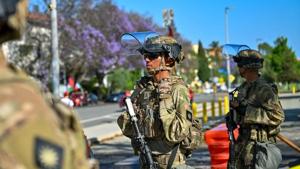
In August, President Donald Trump declared a “crime emergency” in Washington, D.C., which led to an increase in national guard and federal agent deployments, including ICE agents, according to the immigration advocacy organizations.
In a Friday news conference, one plaintiff in the lawsuit, who identified under an alias, recalled ICE agents and other police officers arresting him at his worksite in Washington, D.C. without a warrant or explaining their reasoning.
He said he was transferred to multiple detention facilities before being deported to his home country of El Salvador roughly 10 days later without seeing a lawyer or appearing before a judge.
“These arrests involve a protracted process of depriving someone of their liberty,” Shah said.
Although Trump’s 30-day order federalizing the Metropolitan Police Department expired, advocates said nothing is stopping the federal government from deploying agents in D.C.
“We have many accounts of arrests since the federal takeover ostensibly expired around September 11,” said Austin Rose, managing attorney at the Amica Center for Immigrant Rights. “The problem is continuing. People are still being arrested without warrants and without an individualized assessment and probable cause that they are unlawfully present.”
Rose said the Amica Center is directly in contact with “at least” 20 more people who have been affected by immigration enforcement in Washington, D.C.
The lawsuit seeks to find it unlawful for ICE agents to make arrests without providing warrants or probable cause.
The Supreme Court recently lifted a federal judge’s order in Los Angeles that prevented ICE from making arrests without probable cause. The high court’s ruling appears to provide a bleak outlook for the success of this lawsuit.
Madeline Gates, associate counsel at the Washington Lawyers’ Committee, said federal agents are required to either have a warrant or make “specific individualized probable cause determinations” before making an arrest.
“No arrest quotas or political agendas give federal agents the ability to ignore federal law,” Gates said.




Slight Chance Showers And Thunderstorms then Chance Showers And Thunderstorms
Latest News Stories

California attorney general fights Trump’s student visa plan
Government shutdown to hit 1 week mark after Congress fails again to reach agreement

Illinois quick hits: Man charged with soliciting murder of ICE official
Pritzker says federal ‘thuggery’ prompted lawsuit; Trump says public wants Guard
Debate erupts over federal worker firings as shutdown looms

Union sues Feds over claims of partisan automatic emails

Police superintendent: Chicago cops will keep peace amid ICE protests
U.S. Rep. Jared Golden draws progressive challenger in Maine

Judge declines to immediately block Guard deployment in Illinois
WATCH: Judge blocks California National Guard in Portland

Shutdown having ‘ripple effect’ on U.S. airline systems, DOT says

Maryland Supreme Court appears skeptical of climate change lawsuit