Federal judge blocks cuts in anti-terror funding to NYC transit
A federal judge has blocked the Trump administration from withholding nearly $34 million to protect New York City’s transportation system from terrorist attacks over the city’s “sanctuary” policies.
The ruling Wednesday by U.S. District Court Judge Lewis A. Kaplan invoked the Sept. 11, 2001 terror attacks granted New York’s emergency motion for a temporary restraining order to stop the cuts. Kaplan said it was “quite likely” that the legal challenge would prove the Trump administration withheld the funds because it thinks New York “should be punished” for refusing to cooperate with federal immigration crackdowns.
The temporary restraining order will remain in effect until Oct. 15 while the judge considers New York’s request for a permanent injunction blocking the cuts.
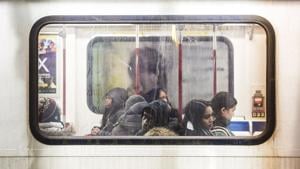
Attorney General Letitia James sued the Department of Homeland Security and the Federal Emergency Management Agency late Tuesday over the $33.8 million in cuts from the Metropolitan Transportation Authority’s Rail and Transit Security Grant Program. The program was created after the Sept. 11, 2001 terror attacks to protect the nation’s transit systems from chemical, biological, radiological and explosive threats.
The Trump administration has threatened to cut off hundreds of millions of dollars in federal funding to New York over its laws protecting undocumented immigrants. But the MTA cuts also came just hours after top New York Democrats, Senate Minority Leader Chuck Schumer and House Minority Leader Hakeem Jeffries, rejected a Senate spending plan that resulted in the federal government shutting down.
During Wednesday’s court hearing, Kaplan said the city has faced other terrorist attacks since 9/11, ticking off a list of incidents including a Halloween 2017 attack when a man drove a truck down a bicycle path in Manhattan, killing eight people, and the 2022 shooting on a subway train in Brooklyn in which a man wounded nearly a dozen passengers.
“Obviously, New York is no stranger to risks of terrorist attacks, and it’s not just 9/11 that tells us that,” Kaplan said.
As part of the cost-cutting, the Trump administration also reduced counterterrorism funding for the New York Police Department from $90 million to nearly $10 million, prompting a sharp rebuke from the state’s top law enforcement officials.
NYPD commissioner Jessica Tisch ripped the Trump administration’s cuts, saying it was a “profound mistake” to pull back counterterrorism funding from “the No. 1 terrorist target in the world.”
“Cutting these resources now, in a time of global conflict and surging threats, puts lives at risk and will make our city meaningfully less safe,” Tisch told reporters Wednesday. “To be blunt, this is the difference between a city that prevents the next attack and a city left exposed to it.”
Democratic Gov. Kathy Hochul called the defunding of the state’s mass transit security program “political payback and an attack on New York and its residents” that will have an “immediate” impact on public safety.
“Every New Yorker should be outraged,” she said. “From the construction worker who could lose their job, to the commuter stuck on a delayed train, to the families who rely on brave law enforcement officers to keep them safe.”




Sunny
Latest News Stories
Casey-Westfield School Board Approves $560,000 HVAC Phase 2, Annexes Tennis Court Parking Lot
No public funds for new transit safety group
The future of American troops in Europe; Iran lead Rubio’s meeting with NATO
Tennessee congressman files articles of impeachment against Roberts

Illinois Quick Hits: Chicagoland chamber opposes ditigal ad tax
Board suspends Camp Mystic co-owner’s nursing license

Illinois bill banning ‘easily convertible’ handguns could pass this session

Deadline approaches for $1 million school choice award

Biometrics privacy law’s territorial reach limited, appeals court says
Watchdog says Biden Education Department defied court order on Title IX enforcement
Congress skips town without passing $72B immigration enforcement bill
EPA slashes regulations on refrigerants finalized during Biden-era