MIT rejects White House education demands
The Massachusetts Institute of Technology refused to sign the White House agreement that would grant federal funds linked to the administration’s demands.
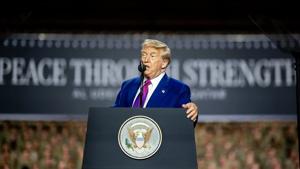
The Trump administration proposed a “Compact for Academic Excellence in Higher Education” to nine universities. The agreement offers special access to federal funding in exchange for commitments to eliminate racial discrimination in admissions and freeze tuition rates for the next five years, among other things.
The nine universities include: Brown University, the University of Pennsylvania, Dartmouth College, the Massachusetts Institute of Technology, Vanderbilt University, the University of Southern California, the University of Texas at Austin, the University of Virginia and the University of Arizona.
The compact states the universities are not required to sign the document, but would lose federal grants if they didn’t.
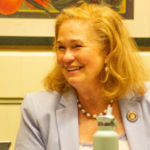
MIT is the first university to refuse the demands. In a letter to the Education Secretary Linda McMahon, MIT President Sally Kornbluth announced the decision.
“In our view, America’s leadership in science and innovation depends on independent thinking and open competition for excellence,” Kornbluth said. “In that free marketplace of ideas, the people of MIT gladly compete with the very best, without preferences. Therefore, with respect, we cannot support the proposed approach to addressing the issues facing higher education.”
MIT will continue to support freedom of expression, the MIT president added.
“We must hear facts and opinions we don’t like — and engage respectfully with those with whom we disagree,” Kornbluth wrote.
The American Association of University Professors is urging colleges to reject the proposed compact. Ariel White, vice president of MIT’s AAUP chapter, emphasized that universities should follow MIT’s lead and refuse to sign.
“The goal is to leave universities powerless and at the whim of the federal government and of the president personally and to make sure that universities cannot provide any sort of opposition to or simple disagreement with this administration,” White said. “Even if some individual parts of this deal sound OK to you now, you should not sign because it will not end there.”




Partly Sunny
Latest News Stories
Indicted Florida congresswoman leaves committee leadership post

Existing home sales up 1.2% in October
Chip Roy calls for full pause on all U.S. immigration
Prosecutors defend indictment in Comey case after defense questions

IL Rep on congressmen trading: ‘We’re not going to take a pile of money to hell’
House axes provision letting senators sue over data surveillance
DoEd’s six new agency partnerships will give parents freedom, break up bureaucracy

Illinois quick hits: Officer shot report numbers down; Thanksgiving meal costs down

WATCH: Chicago activist testifies; Quinn’s millionaire surcharge; High SNAP error rate

Farm Bureau says Thanksgiving prices down, but not enough

GE Appliances announces $150 million partnerships
Lake Land College Board Approves Three-Year Aetna Contract, Faces 15.34% Medical Premium Hike