MIT rejects White House education demands
The Massachusetts Institute of Technology refused to sign the White House agreement that would grant federal funds linked to the administration’s demands.
The Trump administration proposed a “Compact for Academic Excellence in Higher Education” to nine universities. The agreement offers special access to federal funding in exchange for commitments to eliminate racial discrimination in admissions and freeze tuition rates for the next five years, among other things.
The nine universities include: Brown University, the University of Pennsylvania, Dartmouth College, the Massachusetts Institute of Technology, Vanderbilt University, the University of Southern California, the University of Texas at Austin, the University of Virginia and the University of Arizona.
The compact states the universities are not required to sign the document, but would lose federal grants if they didn’t.
MIT is the first university to refuse the demands. In a letter to the Education Secretary Linda McMahon, MIT President Sally Kornbluth announced the decision.
“In our view, America’s leadership in science and innovation depends on independent thinking and open competition for excellence,” Kornbluth said. “In that free marketplace of ideas, the people of MIT gladly compete with the very best, without preferences. Therefore, with respect, we cannot support the proposed approach to addressing the issues facing higher education.”
MIT will continue to support freedom of expression, the MIT president added.
“We must hear facts and opinions we don’t like — and engage respectfully with those with whom we disagree,” Kornbluth wrote.
The American Association of University Professors is urging colleges to reject the proposed compact. Ariel White, vice president of MIT’s AAUP chapter, emphasized that universities should follow MIT’s lead and refuse to sign.
“The goal is to leave universities powerless and at the whim of the federal government and of the president personally and to make sure that universities cannot provide any sort of opposition to or simple disagreement with this administration,” White said. “Even if some individual parts of this deal sound OK to you now, you should not sign because it will not end there.”



Slight Chance Showers And Thunderstorms then Chance Showers And Thunderstorms
Latest News Stories

Groups warn Middle East truce may not ease economic fallout
National ratings outlet says Pennsylvania has most ‘toss up’ midterm races

Regulator: LNG expansion likely to affect rare marsh bird

Court showdown over Trump’s tariffs could reshape U.S. trade policy

PSA urges consumers to think ‘Before You Call That Lawyer’
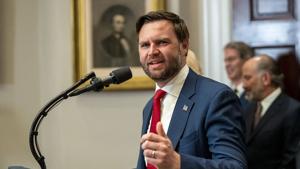
Vance to lead talks in Iran on Saturday

Rep questions state ed board’s higher budget request, proficiency standards

Illinois reps move bill to give remedy to young victims of hidden cameras
Illinois Quick Hits: Chicago Election Board says 94% of ballots casts were for Dems

Casey-Westfield Pitching Shines in 7-0 Shutout Over Cowden-Herrick/Beecher City

Goble’s Gem and 16-Hit Attack Propel Casey-Westfield Past Salt Fork 10-1

Chicago office vacancy rates worsen, card swipe numbers offer hope