Johnson tells Democrats to ‘bring it’ over pay for U.S. troops
President Donald Trump’s weekend move to pay U.S. troops during a partial government shutdown raised legal questions, but it also relieved pressure on Republicans as a congressional funding lapse stretched into a 14th day.
Trump on Saturday said he identified funds to pay service members on Oct. 15, a paycheck that 1.3 million military members were set to miss because Congress failed to pass a spending plan on time.
A Department of War official on Saturday said the agency identified about “$8 billion of unobligated research development testing and evaluation funds (RDTE) from the prior fiscal year that will be used to issue mid-month paychecks to service members.”
U.S. Rep. Jim Himes, D-Conn., told CBS’s “Face the Nation” on Sunday that the move was “probably not” legal.
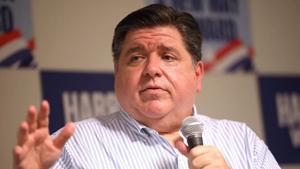
House Speaker Mike Johnson told Democrats to go ahead with a challenge to the military paychecks.
“If the Democrats want to go to court and challenge troops being paid, bring it,” Johnson said Tuesday during a news conference at the Capitol.
Trump on Tuesday said a wealthy donor offered to pay the troops during the shutdown.
Late Monday, Homeland Security Secretary Kristi Noem said the U.S. Coast Guard would also get paid.
“President Trump did not want any of our military to go without pay as a result of Democrats’ political theater, and we at DHS worked out an innovative solution to make sure that didn’t happen,” Noem wrote in a post on X. “Thanks to President Trump’s leadership and the One Big Beautiful Bill, the brave men and women of the US Coast Guard will not miss a paycheck this week as they continue to carry out their critical homeland security and military missions.”
Typically, military members don’t get paid when Congress fails to approve funding. However, Trump said he directed U.S. Secretary of War Pete Hegseth to find the cash to make sure U.S. troops get their next paycheck on Oct. 15. Many were preparing to go without, as they had in previous shutdowns.





Partly Sunny
Latest News Stories
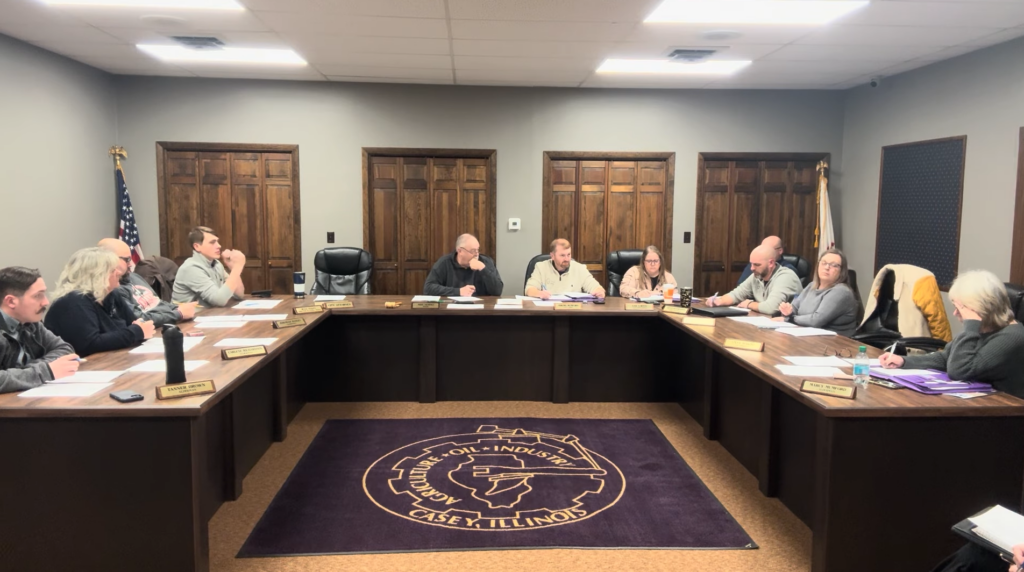
Senate Bill Secures $1 Million for Casey Sewer Improvements

EXCLUSIVE: 5 largest U.S. cities don’t have enough money to pay bills: report

INVESTIGATION: Wisconsin university closes DEI unit but keeps most staff working on equity issues

Board Approves Updated School Resource Officer Agreement
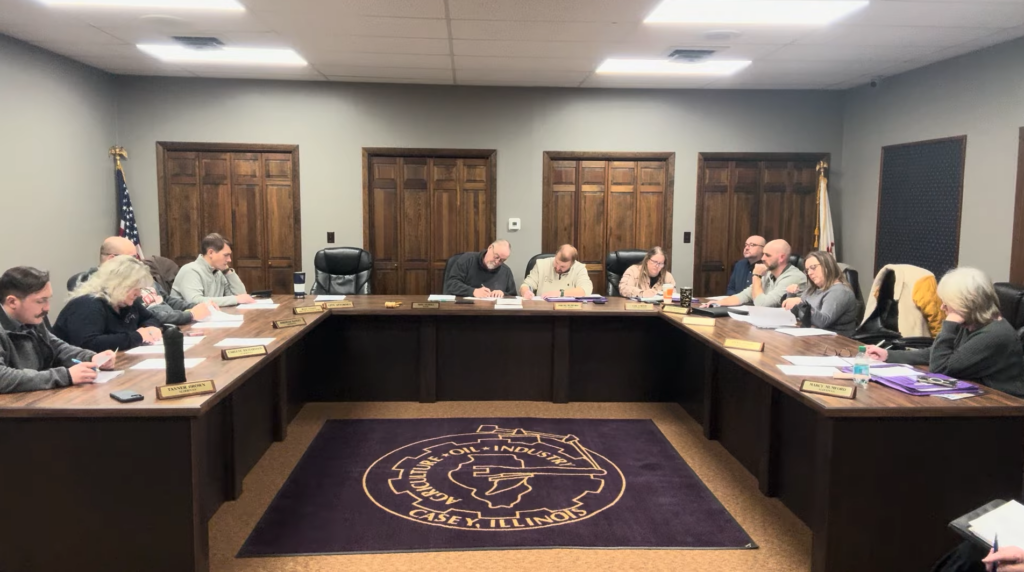
Casey Advances Housing Strategy with Land Bank Transfers and Inspection Contract

Chicago’s $41 billion financial hole exposes city’s pension crisis

Trump seeks $1B from Harvard in federal funding dispute

Lawmakers react to U.S. Supreme Court’s ruling on Prop. 50

WATCH: Senators slam fraud, call for welfare scrutiny in Minnesota

Nurses demand inclusion in professional degree definition

Early voting starts Thursday in most Illinois jurisdictions
Trump tells Iranian leaders they ‘should be very worried’