Judge blocks USDA from demanding SNAP info from Illinois, other states
(The Center Square) – Illinois leads a 21-state coalition blocking the U.S. Department of Agriculture from demanding sensitive Supplemental Nutrition Assistance Program data as lawmakers and agency officials clash over work requirements, cost shifts and administrative errors that could cost the state hundreds of millions.
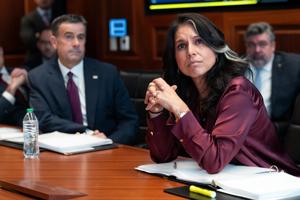
During a recent House Appropriations-Health and Human Services Committee hearing, April Harris, speaking on behalf of the Chicago Coalition to End Homelessness, told the committee that SNAP was “a lifeline” for her family while homeless, as her husband battled epilepsy.
“Despite what happens at a federal level, Illinois should ensure that SNAP remains fully funded and accessible so families will not go hungry,” Harris said.
Amid debates over work requirements and funding, Illinois Attorney General Kwame Raoul won a preliminary injunction blocking the USDA from obtaining SNAP data.
“No one should be forced to grant the government an unlimited license to their personal information for access to the healthy food everyone deserves,” Raoul said in a statement Thursday.
Raoul emphasized the need to protect vulnerable families while ensuring access to essential nutrition.
The USDA requested disclosures of recipients since January 2020. The state of Illinois argued the information is “highly sensitive data” that includes immigration status.
Critics argue the USDA could misuse the data, including for immigration enforcement.
Representing the Illinois Department of Human Services, Secretary Dulce Quintero warned Wednesday’s House committee that proposed federal legislation would shift a federal burden onto states, requiring Illinois to cover as much as $705 million in new costs tied to its 11.56% SNAP payment error rate.
“In Illinois, we estimate at least 250 additional full-time employees are needed to respond to the federal changes to the SNAP program, and these new hires could cost over $20 million annually,” said Quintero.
Kate Maehr, CEO of the Greater Chicago Food Depository, argued that work requirements don’t achieve their intended goals.
“In fact, they can have negative health consequences and discourage families from applying for benefits, especially households with children,” said Maehr.
Maehr confirmed that under proposed federal rules, able-bodied adults without dependents must work or train 20 hours per week to keep SNAP. She warns many rural areas lack opportunities or transportation, and says such mandates often push people out of the program.
State Rep. Jason Bunting, R-Emington, pointed out that Illinois hasn’t enforced work requirements in decades.
According to the Illinois Comptroller’s vendor payment database, the Greater Chicago Food Depository received $2.1 million in taxpayer funds between the end of July 2025 and Oct. 1, 2025. Maehr, according to tax filings reported by ProPublica, was compensated a salary over $400,000.
Bunting pressed Maehr and state officials on program oversight and the state’s 11.56% SNAP error rate, a figure that could determine how much of the program’s cost Illinois would have to cover under the proposed federal changes.
“Can we get our error rate down to where we’ll be exempt from penalties?” Bunting asked, pointing out Illinois’ error rate was just 5.7% in 2017.
Maehr said Illinois’ SNAP error rate is affected by COVID-era flexibilities. She called reducing the rate a “tall order, but not impossible” for a state as large as Illinois.






Sunny
Latest News Stories

Experts call for probe after Microsoft left out China ties in Pentagon security plan

FBI raids the home of John Bolton
Lake Land College Adopts New Strategic Plan: ‘Education that Fits Your Life’

Clark County Board Delays Decision on Using Cannabis Funds for School Counselors

WATCH: Detransitioner gets a second chance at medical malpractice lawsuit against doctors

WATCH: CA Democrats pass congressional redistricting plan

Pew: U.S. immigrant population declines for first time in nearly 60 years

European Union says U.S. consumers will end up paying tariffs

WATCH: Illinois’ FY23 financial audit released amid criticism of tardy reports

Illinois quick hits: Anti-SLAPP bill signed; Chicago schools settles meditation case

U.S.-EU trade deal includes ceiling for European pharmaceutical imports

Supreme Court allows Trump to block DEI funding