With shutdown ending, debate on Obamacare subsidies to begin
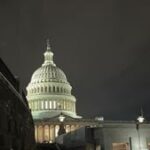
As Congress moves to reopen the federal government this week, debate is shifting toward how to pay for the federal health care programs that helped trigger the shutdown.
Health policy experts say one option is to make health insurers shoulder more of the cost, as their stock values have surged more than 1,000% since the Affordable Care Act became law in 2010, according to a Paragon Institute report. The report found health-insurer stocks have risen 1,032% since 2010, compared with 251% for the S&P 500.
“Republicans could kill three birds with one stone….cut $124B in Medicare fraud, use $30B to fund a year of HSA’s, and the rest to pay down the debt,” health care policy expert Mark Merritt writes.
Merritt was referring to overbilling in Medicare Advantage, where insurers are accused of inflating patient conditions to draw higher federal payments.
The Congressional Budget Office estimates the practice will cost taxpayers $124 billion over the next decade.
A bipartisan bill called the No Upcode Act from Sens. Bill Cassidy, R-Louisiana, and Jeff Merkley, D-Oregon, would crack down on those billing abuses by adding new oversight measures, as The Center Square previously reported.
Republicans argue that since health insurers have benefited enormously from government programs, they should help pay for them. Medicaid spending alone reached $880 billion in fiscal year 2023, with 69% of that coming from federal funds, according to Kaiser Family Foundation data.
In fiscal year 2023, federal subsidies through the ACA’s Medicaid expansion and exchange plans totaled $218 billion, almost all of which went to insurers, according to Paragon Institute data.
Most Medicaid recipients are enrolled in managed care plans run by private insurers.
Critics say the Affordable Care Act has created a cycle of rising government payments and massive corporate profits.
UnitedHealth Group, for example, collected $92 billion in federal payments last year and is now under Justice Department investigation for overbilling.
“Congress can no longer ignore the nearly one-quarter trillion dollars it will pay private insurance companies next year to administer public health plans,” Merritt previously told The Center Square. “It’s the only real pot of money there is.”
The Senate is expected to vote this week to finalize the government funding measure, after enough Democrats joined Republicans to advance it over the weekend.




Partly Sunny
Latest News Stories

WATCH: Trump says tariffs may cost Americans ‘something’ but keep U.S. safe

Chicago mayor: IL legislature has ‘more work to do’ on tax increases

Chicago pension, debt services costs among highest in country

Casey City Council Takes Action on Blighted Properties, Rewards Redevelopment
WATCH: DCFS still looking for missing children numbers; Pritzker on elections results

Illinois quick hits: DHS ordered to address ICE facility conditions; Garcia explains retirement decision
Congressional Perks: Luxury cars and mileage result in big costs for taxpayers

Illinois quick hits: $20 million for Alton housing project; alleged migrant assaults reported
WATCH: Illinois DCFS can’t locate documents showing number of missing children

Warriors Advance to Sweet 16; Community Bonfire Planned for Friday

Casey-Westfield Cross Country Concludes Season at Mattoon Sectional

Warriors Dominate Red Hill in 35-0 Playoff Shutout to Advance to Sweet 16