Clark County Hires Legal Experts to Strengthen Solar Farm Ordinances Amid Citizen Concerns
Clark County Board Meeting | October 10, 2025
Article Summary:
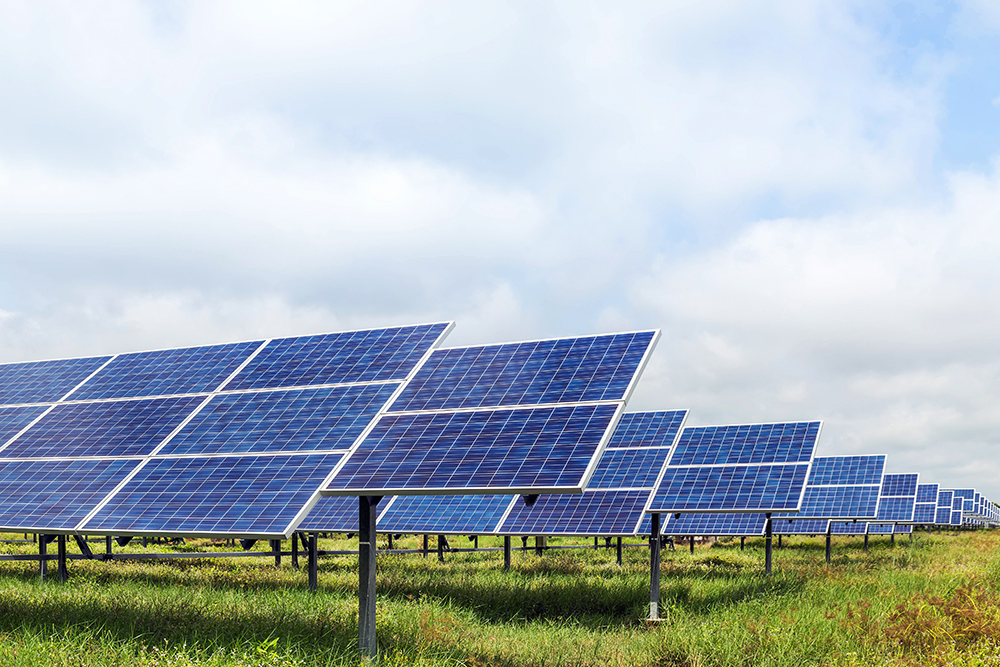
The Clark County Board has decided to hire the law firm Heyl Royster to help draft and improve county ordinances related to solar energy projects. The move comes as the board and residents continue to voice concerns over decommissioning plans, environmental protections, and permit enforcement for renewable energy developments.
Solar Ordinance Key Points:
-
Expert Counsel Hired: The board agreed to have the State’s Attorney’s office retain attorney Andrew Keyt of Heyl Royster, a firm representing 26 Illinois counties on renewable energy ordinances.
-
Scope of Work: The firm will assist with drafting new ordinances and finalizing requirements for solar projects that have already passed the initial Special Use Permit phase.
-
Citizen Input: The decision followed public comments from resident Bill Cornwell, who urged the board to demand detailed decommissioning plans, protect water sources, and include clauses to revoke permits if projects underperform.
Responding to ongoing public concerns about renewable energy development, the Clark County Board at a special meeting on Friday, October 10, 2025, unanimously agreed to hire specialized legal counsel to bolster its solar farm regulations.
The board met with Andrew Keyt, an attorney from the firm Heyl Royster, who explained his firm’s experience in helping approximately 26 Illinois counties navigate ordinances for solar, wind, and battery storage projects. Keyt noted that while the state has established certain “guardrails” that counties cannot deviate from, his firm works to make local ordinances as strong as possible within those legal boundaries.
Following a discussion where board members and the public asked numerous questions, the board reached a consensus to direct State’s Attorney Kyle Hutson to retain Heyl Royster. The firm will be tasked with assisting on future projects and helping to finalize the regulatory process for solar projects that have already received a Special Use Permit.
The board’s action was reinforced by public comments from resident Bill Cornwell, who referenced a letter he sent to the board in August. Cornwell highlighted the need for detailed, itemized decommissioning plans that include labor hours and prevailing wages. He also raised concerns about protecting potable water sources from runoff or damage during construction and suggested that the county should have the power to revoke a Special Use Permit if a solar farm fails to produce its promised amount of electricity.


Chance Showers And Thunderstorms then Showers And Thunderstorms
Latest News Stories

Illinois Quick Hits: Loyola student’s alleged killer faces federal firearm charge
Casey City Council Approves $91,500 Investment for New Emergency Sirens

Goble’s Dominant Relief Stint Sparks Casey-Westfield to 12-0 Shutout Win

Report: Coordinated resilience infrastructure is needed in age of AI

U.S., NATO alliance on the line as Trump set to meet with Rutte

BREAKING: Trump fires Bondi, Blanche to lead DOJ
States sue Trump administration over rollback of some air pollution regulations
Energy affordability report ranks Illinois 31st, warns of ‘burdensome’ mandates
Illinois voices weigh in on birthright citizenship case

U.S. rep.: Mexico still not delivering water to South Texas, despite claims

Supporters say will storage option would streamline judicial process

Dallas Fed: Geopolitical conflicts creating uncertainty for U.S. oil and gas industry
Illinois Quick Hits: Pritzker pushes for E15