Clark County Hires Legal Experts to Strengthen Solar Farm Ordinances Amid Citizen Concerns
Clark County Board Meeting | October 10, 2025
Article Summary:
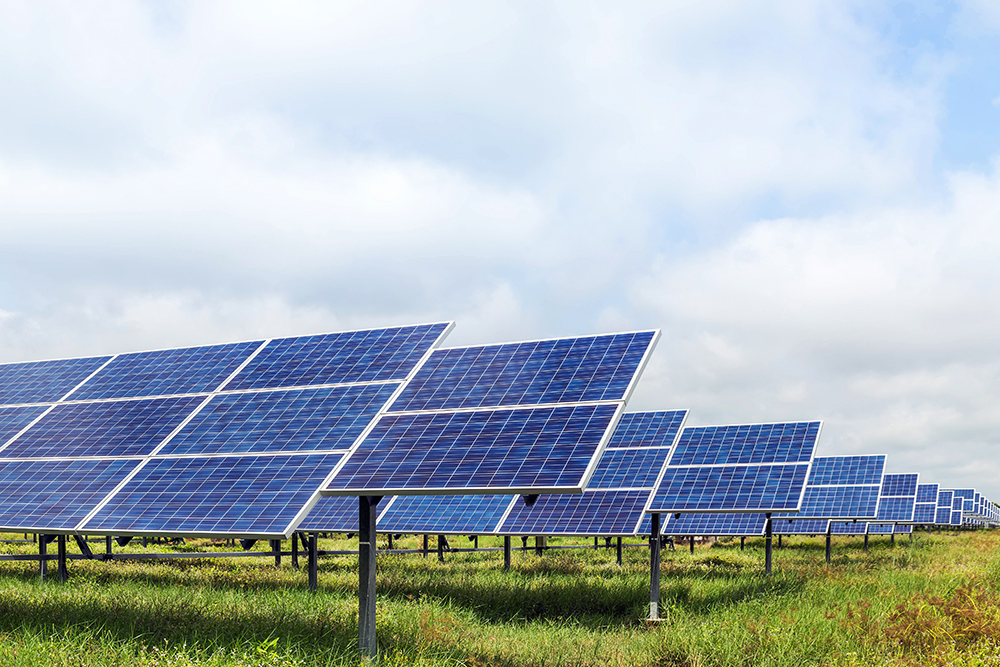
The Clark County Board has decided to hire the law firm Heyl Royster to help draft and improve county ordinances related to solar energy projects. The move comes as the board and residents continue to voice concerns over decommissioning plans, environmental protections, and permit enforcement for renewable energy developments.
Solar Ordinance Key Points:
-
Expert Counsel Hired: The board agreed to have the State’s Attorney’s office retain attorney Andrew Keyt of Heyl Royster, a firm representing 26 Illinois counties on renewable energy ordinances.
-
Scope of Work: The firm will assist with drafting new ordinances and finalizing requirements for solar projects that have already passed the initial Special Use Permit phase.
-
Citizen Input: The decision followed public comments from resident Bill Cornwell, who urged the board to demand detailed decommissioning plans, protect water sources, and include clauses to revoke permits if projects underperform.
Responding to ongoing public concerns about renewable energy development, the Clark County Board at a special meeting on Friday, October 10, 2025, unanimously agreed to hire specialized legal counsel to bolster its solar farm regulations.
The board met with Andrew Keyt, an attorney from the firm Heyl Royster, who explained his firm’s experience in helping approximately 26 Illinois counties navigate ordinances for solar, wind, and battery storage projects. Keyt noted that while the state has established certain “guardrails” that counties cannot deviate from, his firm works to make local ordinances as strong as possible within those legal boundaries.
Following a discussion where board members and the public asked numerous questions, the board reached a consensus to direct State’s Attorney Kyle Hutson to retain Heyl Royster. The firm will be tasked with assisting on future projects and helping to finalize the regulatory process for solar projects that have already received a Special Use Permit.
The board’s action was reinforced by public comments from resident Bill Cornwell, who referenced a letter he sent to the board in August. Cornwell highlighted the need for detailed, itemized decommissioning plans that include labor hours and prevailing wages. He also raised concerns about protecting potable water sources from runoff or damage during construction and suggested that the county should have the power to revoke a Special Use Permit if a solar farm fails to produce its promised amount of electricity.


Slight Chance Showers And Thunderstorms then Chance Showers And Thunderstorms
Latest News Stories

Everyday Economics: The Fed faces a slowing economy and a new inflation shock
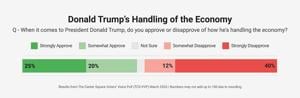
Poll: Slim majority of Americans unhappy with Trump’s job performance, economy
Most voters support bans on transgender athletes in female sports

Martinsville School Board Bans Individual from District Events Following Special Hearing
Midterm elections poll shows tight congressional races
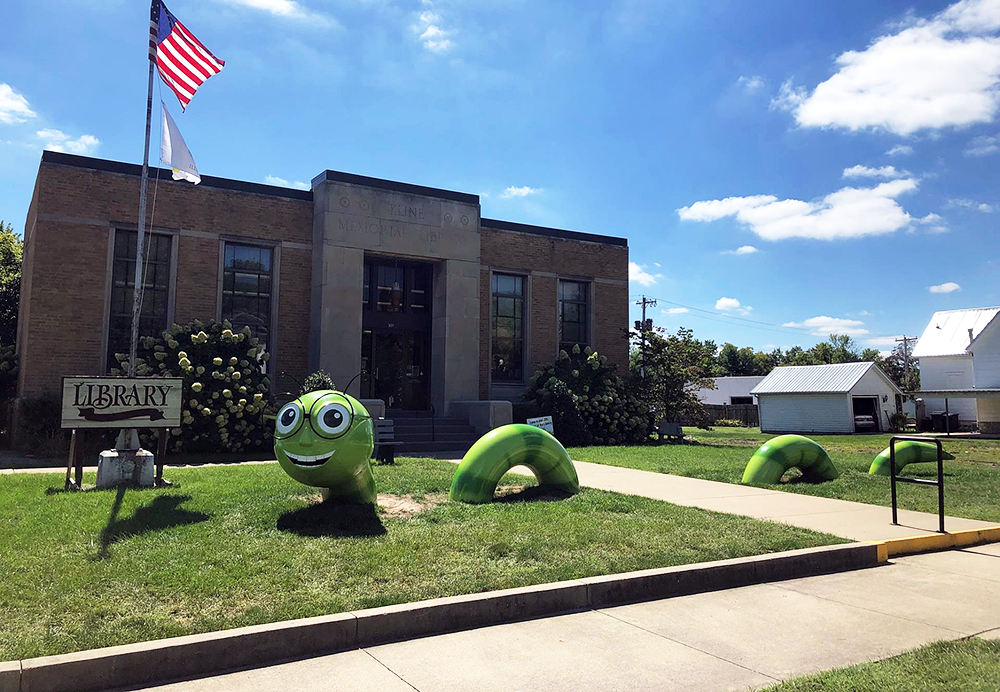
Casey Township Library Pauses Architectural Services Amid $24,975 Expansion Payout

Forbes: A record 989 billionaires are in the U.S., 88 are in Texas

Casey-Westfield Powers Past St. Thomas More 16-1 in Saturday Tournament Action

Advocates call for repeal of FACE Act over unequal enforcement concerns

Trump’s fall-back tariffs face court scrutiny, skeptical voters

Illinois lawmakers want to end foreign language requirement in high schools

In a first, nine Texas Antifa members found guilty on federal terror charges