Revenues from energy production at $14.6B for 2025
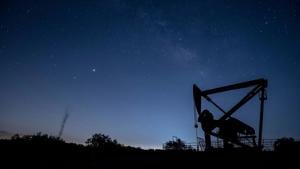
Energy production on federal lands and waters and in U.S. tribal areas generated $14.61 billion in government revenues in the 2025 fiscal year, according to the Department of the Interior’s Office of Natural Resources Revenue.
Revenues generated from royalties, rents, and bonuses paid by energy and mineral producers are disbursed to a wide range of initiatives and programs, including those that support public infrastructure, education, emergency services, conservation and reclamation projects and historic preservation.
The amount represents the fifth-largest disbursement since 1982, according to the Interior Department.
The revenues were down from $16.45 billion in the 2024 fiscal year and $18.24 billion in the 2023 fiscal year. In the 2022 fiscal year, revenues reached a record-high $21.53 billion, according to the department.
A decrease in this year’s disbursements was mostly due to a drop in commodity prices, according to the department.
Just over $5 billion was disbursed to the Treasury Department, $4.07 billion was allocated to 34 states and $2.98 billion went to the Bureau of Reclamation, which builds and operates dams, power plants, canals and other water resources in the western U.S. About $1.0 billion went to tribes and individual Native American minerals owners during the 2025 fiscal year.
New Mexico received $2.76 billion, the highest amount of royalties from energy production on federal lands within its borders.
It was followed by Wyoming at $544.87 million, Louisiana at $162.42 million, North Dakota at $114.95 million and Texas at $99.83 million.
The revenues disbursed to 33 federally recognized tribes and approximately 31,000 individual Native American mineral owners represent 100% of the revenues received from energy and mining activities on tribal lands in the 2025 fiscal year, according to the Interior Department.
Tribes use the revenues to fund infrastructure development, provide health care and education and support other community programs such as senior centers, public safety projects and youth initiatives, according to the department.




Sunny
Latest News Stories

Ongoing federal funding lapse now longest full government shutdown in history
Federal courts limit operations as funding lapse continues
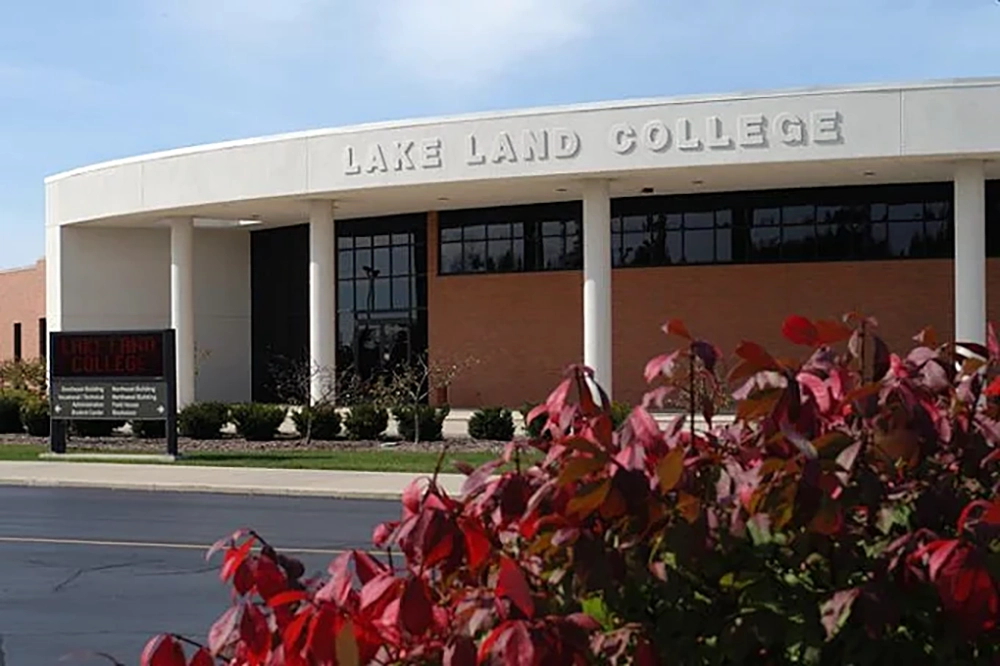
Lake Land College Extends President Bullock’s Contract to 2028, Sets New Strategic Goals
Clark County 4-H Foundation Announces Scholarship Opportunities
US Army, contractors constructing miles of border wall barriers in Arizona
Illinois ranks in lower half in new ‘Safest States’ poll

WATCH: Hegseth announces another boat strike as tensions build

WATCH: Trump responds to ‘No Kings’ protests; Pritzker criticizes SNAP, trade policies

Poll: Kamala Harris still Democratic favorite for 2028

New York Dems seek to withhold federal taxes over funding cuts

Congressional Conflicts: Stock ban pits affluent, super rich

Supreme Court to consider drug user gun possession case