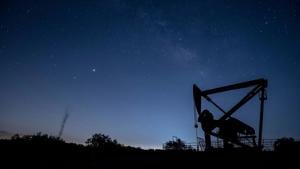
Revenues from energy production at $14.6B for 2025
Energy production on federal lands and waters and in U.S. tribal areas generated $14.61 billion in government revenues in the 2025 fiscal year, according to the Department of the Interior’s Office of Natural Resources Revenue.
Revenues generated from royalties, rents, and bonuses paid by energy and mineral producers are disbursed to a wide range of initiatives and programs, including those that support public infrastructure, education, emergency services, conservation and reclamation projects and historic preservation.
The amount represents the fifth-largest disbursement since 1982, according to the Interior Department.
The revenues were down from $16.45 billion in the 2024 fiscal year and $18.24 billion in the 2023 fiscal year. In the 2022 fiscal year, revenues reached a record-high $21.53 billion, according to the department.
A decrease in this year’s disbursements was mostly due to a drop in commodity prices, according to the department.
Just over $5 billion was disbursed to the Treasury Department, $4.07 billion was allocated to 34 states and $2.98 billion went to the Bureau of Reclamation, which builds and operates dams, power plants, canals and other water resources in the western U.S. About $1.0 billion went to tribes and individual Native American minerals owners during the 2025 fiscal year.
New Mexico received $2.76 billion, the highest amount of royalties from energy production on federal lands within its borders.
It was followed by Wyoming at $544.87 million, Louisiana at $162.42 million, North Dakota at $114.95 million and Texas at $99.83 million.
The revenues disbursed to 33 federally recognized tribes and approximately 31,000 individual Native American mineral owners represent 100% of the revenues received from energy and mining activities on tribal lands in the 2025 fiscal year, according to the Interior Department.
Tribes use the revenues to fund infrastructure development, provide health care and education and support other community programs such as senior centers, public safety projects and youth initiatives, according to the department.




Mostly Sunny
Latest News Stories
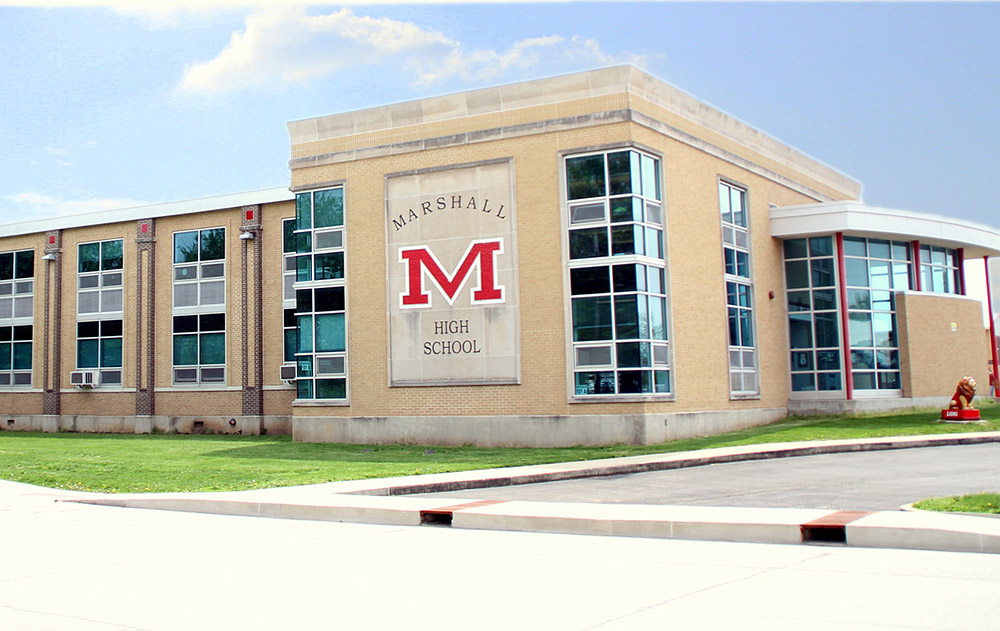
Marshall School Board Approves Major Changes to Football Seating and Junior High Track

Meeting Summary and Briefs: Casey City Council for Feb. 2, 2026
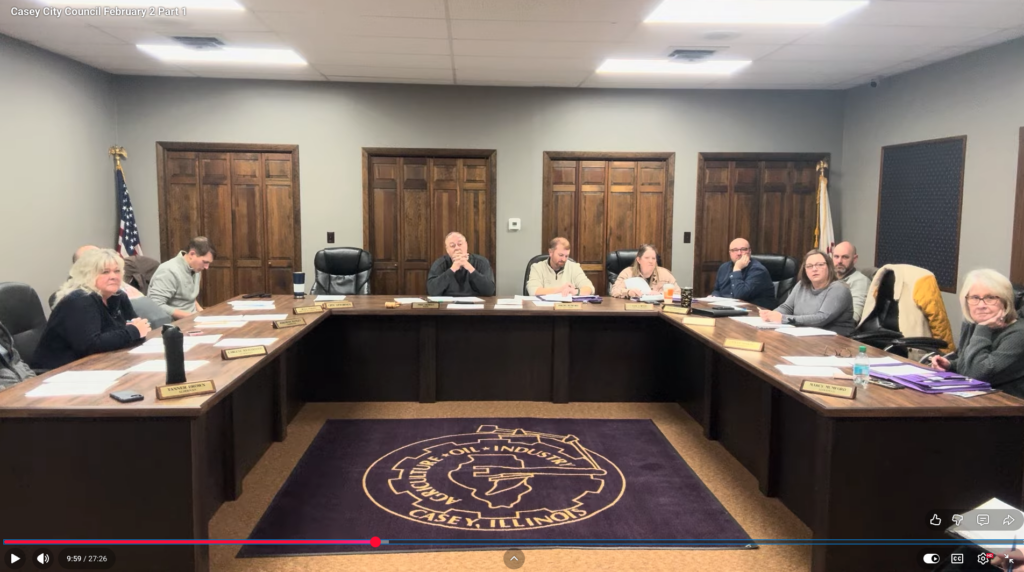
Council Votes to Reclaim Downtown Properties After Development Stalls
Meeting Summary and Briefs: Casey-Westfield Board of Education for Jan. 26, 2026
Casey-Westfield FCCLA Ranked No. 1 in Region for Service Hours
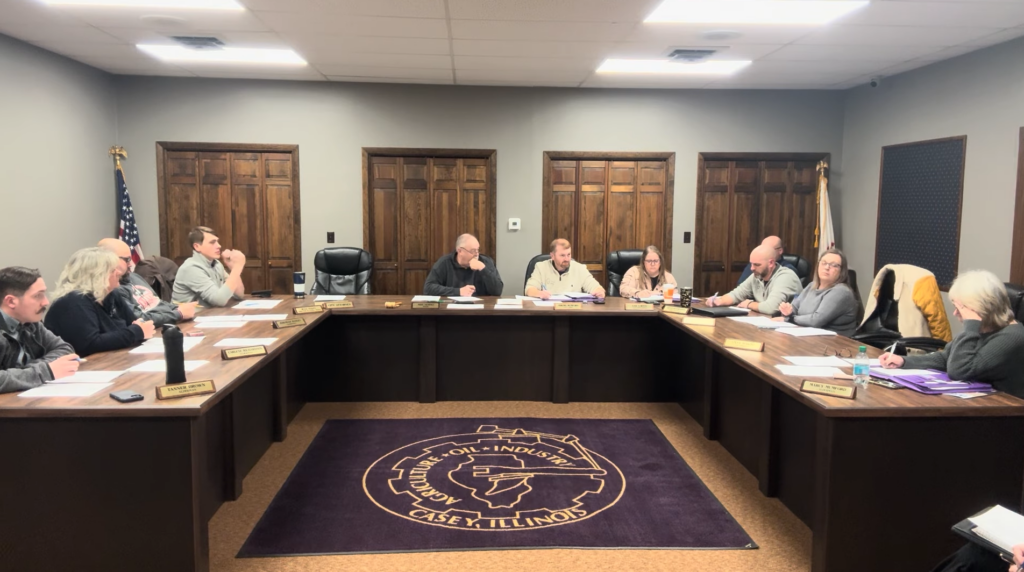
Senate Bill Secures $1 Million for Casey Sewer Improvements
EXCLUSIVE: 5 largest U.S. cities don’t have enough money to pay bills: report
INVESTIGATION: Wisconsin university closes DEI unit but keeps most staff working on equity issues
Board Approves Updated School Resource Officer Agreement
Casey Advances Housing Strategy with Land Bank Transfers and Inspection Contract

Chicago’s $41 billion financial hole exposes city’s pension crisis
Trump seeks $1B from Harvard in federal funding dispute