U.S. reaches deal with U.K. on higher drug prices
The United Kingdom will pay 25% more for new medications as part of a deal to avoid U.S. tariffs on Britain’s drug exports to the U.S., a key step in President Donald Trump’s push to get other nations to pay more for pharmaceuticals that he says U.S. consumers unfairly subsidize.
The deal also includes continued investment by U.K. pharmaceutical companies in the U.S., which U.S. officials said would strengthen American pharmaceutical development and manufacturing.
“President Trump is the first American President to work with U.S. trading partners to ensure fair payment internationally for innovative pharmaceuticals and pharmaceutical ingredients,” U.S. Trade Representative Jamieson Greer said. “For too long, American patients have been forced to subsidize prescription drugs and biologics in other developed countries by paying a significant premium for the same products in ours.”
British officials said the deal would benefit the United Kingdom. They said the U.S. confirmed the UK will get a preferential tariff rate of 0% for all U.K. pharmaceutical exports for at least three years – the lowest rate offered to any country.
“This deal guarantees that UK pharmaceutical exports – worth at least £5 billion a year – will enter the US tariff free, protecting jobs, boosting investment and paving the way for the UK to become a global hub for life sciences,” U.K. Business and Trade Secretary Peter Kyle said.
United States Secretary of Commerce Howard Lutnick said the agreement will benefit the U.S.
“Today’s agreement is a major win for American workers and our innovation economy. We are strengthening supply chains, creating high-quality jobs, and reinforcing America as the world’s premier hub for life-sciences investment,” he said. “This deal doesn’t just deepen our economic partnership with the United Kingdom – it ensures that the breakthroughs of tomorrow will be built, tested, and produced on American soil.”
U.S. officials said the United Kingdom will reverse the decade-long trend of declining National Health Service expenditures on innovative, life-saving medicines, and increase the net price it pays for new medicines by 25%.
Furthermore, the United Kingdom will ensure that higher prices for new medicines are not materially eroded by a demand for portfolio-wide concessions under the Voluntary Scheme for Branded Medicines Pricing, Access and Growth (VPAG) or other rebate schemes. Greer’s office said the United Kingdom committed that the repayment rate owed by companies under the existing VPAG scheme will decrease to 15% in 2026 and remain at or below that level for the duration of the scheme.
“This agreement comes less than two months after President Trump announced the first results of his most-favored-nation (MFN) pharmaceutical drug pricing policy and underscores his determination to bring down drug prices for the American people,” said Chris Klomp, director of Medicare and deputy administrator of the Centers for Medicare & Medicaid Services, and a lead negotiator of the agreement. “When nations fairly share the burden of producing and paying for life-saving medicines, every citizen gains, and the fight against global disease becomes one we can actually win together.”


Chance Showers And Thunderstorms
Latest News Stories

Authorities say shooting at Dallas ICE facility was ‘targeted’ attack

Amid Dallas shooting, assaults on ICE up 1,000%

IL bans PFAS in firefighter gear by 2027, raising safety, market questions
WATCH: Pritzker blames Trump for budget cut EO; Chicago public safety on Trump’s mind
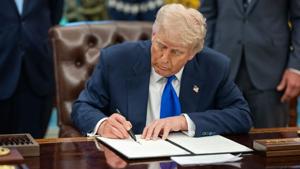
Cato scholar calls Trump’s Antifa executive order ‘idiotic’
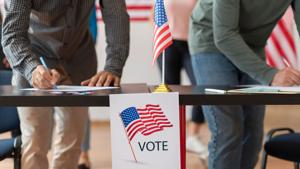
Pro-life group announces $4.5 million for 2026 U.S. Senate race
Multiple people shot at Dallas ICE facility
Louisiana joins four states in complaint against electricity grid operator
Illinois quick hits: State rep. appointed circuit judge; Bailey to seek rematch with Pritzker
Heather Nohren Appointed Vice President for Student Services at Lake Land College
Meeting Summary and Briefs: Casey-Westfield School Board for September 15, 2025
Leavitt calls for firing UN staff if Trump’s escalator stopped intentionally