Senate takes recess, leaving only five days to pass six govt funding bills
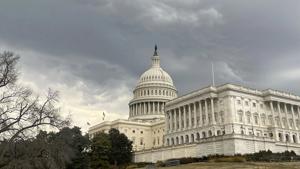
U.S. senators have left town for a week-long recess, leaving themselves only five days to pass the six remaining federal government funding bills.
Congress is already three months overdue on finishing the regular order appropriations process for fiscal year 2026, which consists of passing 12 full-year funding bills that allocate money for federal agencies.
Four of those massive bills, which are also the thorniest, have not even passed the lower chamber, though House leaders hope to advance them in a package next week while the Senate is off.
If they accomplish this, the Senate will likely pair the four-bill minibus with the two-bill minibus that passed the House Wednesday.
Senate Majority John Thune, R-S.D., believes it’s possible for the six bills to reach President Donald Trump’s desk by the Jan. 30 deadline, when government runs out.
If Congress fails to meet the deadline – which many, including the National Governors Association, anticipate – they face a partial government shutdown.
In that instance, the only way lawmakers could prevent a shutdown would be by punting the deadline via a Continuing Resolution, keeping agency funding levels on autopilot.
That would mark the fifth consecutive time Congress resorted to a stopgap instead of finishing appropriations on time.
In fact, nearly two years have passed since Congress refreshed annual federal funding levels, meaning dozens of departments, agencies and offices are still operating on funding levels from the Biden administration. Those include the departments of Defense, Transportation, Education, Homeland Security, Health and Human Services, Labor, and others.
But the departments of Commerce, Justice, Energy, and Interior, as well as the Environmental Protection Agency and Drug Enforcement Agency, will soon receive fresh funding once Trump signs a trio of funding bills the Senate passed Thursday into law.
The departments of Veterans Affairs and Agriculture, the Food and Drug Administration, and the Legislative branch are also covered for fiscal year 2026, with Congress attaching the three bills covering those sectors onto the most recent CR in November.





Sunny
Latest News Stories

Report shows California leads in debt among all 50 states

High superintendent pay fuels debate over Illinois school consolidation

Illinois quick hits: Chicago expressway projects ends; Spooky graveyards

Trump plans to tell Congress about new drug war, won’t seek permission

U.S. aircraft carrier being deployed to Latin America

Federal agents arrive near San Francisco despite National Guard call-off

Over 100 pro-life organizations ask Congress to end forced taxpayer abortion funding

Measles outbreak continues along Arizona-Utah border

Value of movie and TV tax credits debated in California

Trucker in Florida triple fatal failed CDL exam 10 times

Multiple illegal border crossers killed after causing high-speed pursuits

Canada caves to pressure from Trump over Ronald Reagan ad

Exclusive: Colorado lawmakers split over limits on taxes