Board Places Scholarship Tax Credit Referendum on Ballot
Article Summary: Clark County voters will face an advisory question regarding the Federal Scholarship Tax Credit following a board vote on Friday.
Referendum Key Points:
-
The referendum is non-binding and asks the Governor to support the federal program.
-
The program is designed to provide tuition assistance to students.
-
The resolution passed the board unanimously.
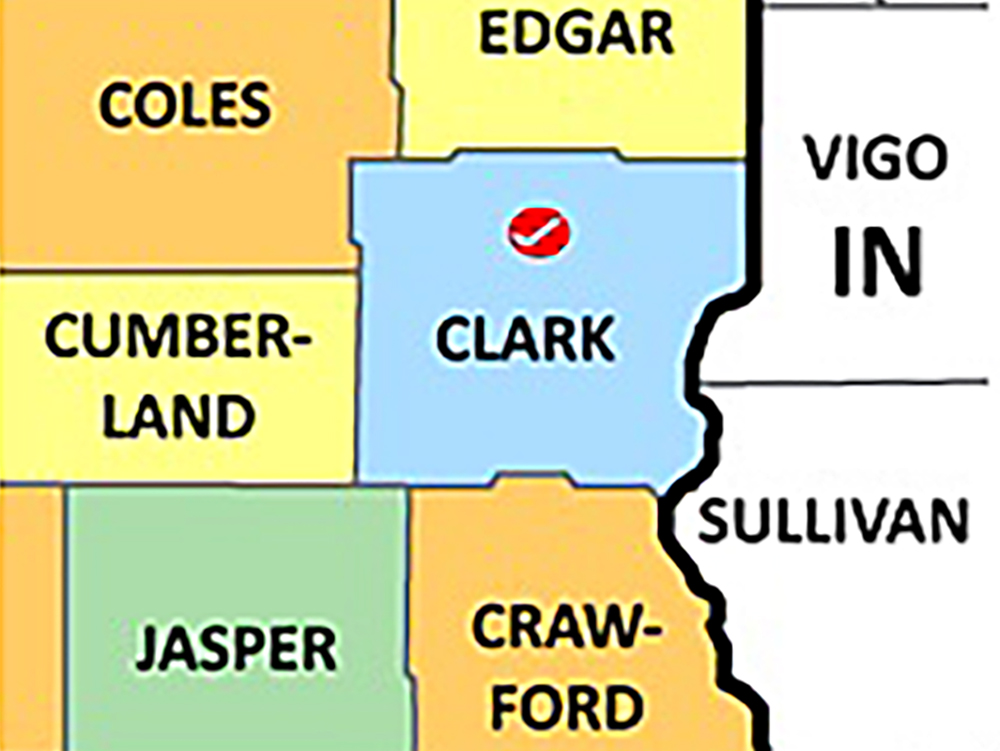
The Clark County Board on Friday, Dec. 19, approved a resolution to place an advisory referendum on the ballot regarding the Federal Scholarship Tax Credit.
Chairman Rex Goble explained that the issue pertains to a bill passed by Congress and signed by the President intended to provide tuition assistance to students. However, Goble noted that for the program to be applied, the Governor of the State must sign on. He stated that Illinois Governor J.B. Pritzker has not yet done so.
The referendum will be non-binding, functioning as a formal request from voters asking the Governor to sign on to the initiative. The motion to approve the resolution was made by Board Member Mike Parsons and seconded by Board Member Randy Stephens.

Sunny
Latest News Stories
Birthright citizenship advocates confident in SCOTUS hearing

College funding bill draws dissent from big Illinois universities
Illinois quick hits: Chicago announces $300 million housing spend; Rockford men faces cocaine trafficking charges; State to honor troopers killed in the ling of duty

Pentagon commits to tripling Patriot missile production at $4 million per
Supreme Court appears skeptical of Trump’s birthright citizenship order

Advocates urge stable tariff policy, protections against China
Illinois senators scrutinize diversity commission’s high salaries, poor performance
Trump demands second ‘big beautiful bill’ on his desk by June 1

ALEC: State regulations drive up electricity prices

Chicago mayor announces homelessness plan with unclear funding sources

Minnesota wins legal fight over tuition benefits for illegal immigrants
Illini Final Four trip expected to benefit University of Illinois, state of Indiana