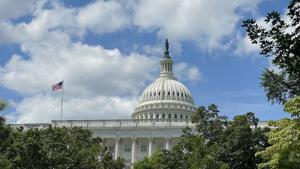
Former GOP lawmaker urges regulators to block potential Netflix-Warner Bros. merger
A new report from a technology watchdog group is urging federal regulators to block a potential merger between Netflix and Warner Bros., warning the deal would reduce competition, raise consumer prices, and hurt movie theaters.
The report, published by the Digital Progress Institute, argues that a Netflix acquisition of Warner Bros. would give the streaming giant too much market power in the subscription video-on-demand market.
The paper is co-authored by Digital Progress Institute President Joel Thayer and former U.S. Rep. Ken Buck, R-Colo., who represented Colorado’s 4th Congressional District from 2015 until 2024. Buck previously served as the top Republican on the House Judiciary Committee’s antitrust subcommittee and was known for sometimes aligning with Democrats on antitrust policy.
“Netflix, armed with an acquisition of Warner Bros., would be able to raise prices with impunity, reduce consumer choice, and dictate the terms of distribution not only in Hollywood but across global markets,” the authors wrote. “Once Netflix becomes the dominant platform worldwide, there’s no reason to think it will behave differently from other tech monopolies we’ve spent years trying to rein in.”
The report argues that Netflix already holds monopoly power under what it describes as even the most conservative definition of the premium streaming market, citing the company’s global subscriber base and scale advantages over competitors. Absorbing Warner Bros., the authors contend, would further concentrate control over major film and television franchises.
“Allowing it to take control of Warner Bros. would hand it overwhelming dominance of the video streaming space,” the paper states.
The authors compare the proposed deal to allowing AT&T to acquire Sprint rather than breaking up the telecom giant in the 1980s, calling it a red flag for anticompetitive behavior.
The report also warns that consumers would likely face higher prices due to a reduction in meaningful alternatives. Viewers seeking access to Warner Bros. content could be forced to keep a Netflix subscription even after price increases, the authors say.
“A consumer who cancels Netflix after a price increase may still want access to Warner’s catalog,” the paper says. “Under this merger, they would have no choice but to return to Netflix to get it.”
Beyond streaming, the paper raises concerns about the impacts on movie theaters and film distribution. A Netflix-controlled Warner Bros. could shorten theatrical release windows, reduce theater runs, or shift major films to streaming-first releases, hurting local economies.
“The result would be less competition in distribution channels and fewer viable paths for film producers and exhibitors,” the authors wrote.
The report notes that criticism of the proposed merger has been bipartisan, with lawmakers from both parties raising antitrust concerns. Netflix executives and other industry figures will testify at a Senate antitrust hearing next month.
The authors concluded their report with their call for federal regulators to block the merger.
“The Netflix–Warner Bros. merger is unnecessary for business, harmful to consumers, and anticompetitive,” the paper says. “It should be presumed unlawful and blocked.”



Sunny
Latest News Stories

EU threatens to blow up trade deal over Trump’s plans for Greenland

Q1 border crossings plummet 95% from Biden era, lowest in history

Trump says Europe will face tariffs until Denmark gives up Greenland
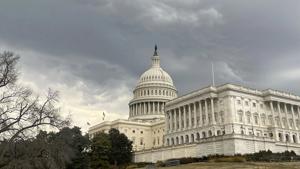
Senate takes recess, leaving only five days to pass six govt funding bills

011926 CLEAN SLATE (copy)

Trump’s Great Healthcare Plan ‘central’ to long-term policy solutions, health sharing ministry says
Lake Land College Approves $6 Million Technology Overhaul to Streamline Operations

Utah County’s chief prosecutor testifies at Tyler Robinson’s hearing

Elite private colleges can’t cap off price-fixing collusion class action

WATCH: San Francisco gets $40M to address homelessness

Education dept. launches 18 Title IX probes as Supreme Court hears cases

Tyler Robinson’s defense seeks to disqualify prosecutors