U.S. Supreme Court to define decades-old consumer law
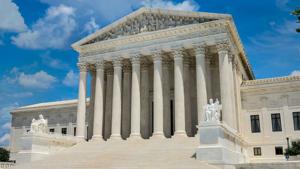
The U.S. Supreme Court agreed on Monday to decide how a 1988 video privacy law applies to the modern age.
Salazar v. Paramount Global seeks to challenge the 1988 Video Privacy Protection Act’s definition of “consumer” in reference to all goods and services or only audiovisual goods and services provided by a video tape service provider.
Michael Salazar subscribed to Paramount’s online newsletter to view videos. According to Salazar’s lawyers, Paramount shared his Facebook ID and video-watching history to Meta.
The primary issue in litigation is how the VPPA defines the term “consumer.” In the legislation drafted by Congress, “consumer” is defined as “a subscriber of goods or services from a video tape service provider.”
The argument lies in whether the statute refers to all goods and services or specifically audiovisual goods or services.
“The VPPA broadly prohibits a video tape service provider—like Paramount here—from knowingly disclosing ‘personally identifiable information concerning any consumer of such provider,’” lawyers for Salazar wrote.
Lawyers for Paramount Global argue that Salazar had access to content on its 247Sports platform, which was available to anyone on the internet.
“All Salazar allegedly did was sign up for a free, written email newsletter. That is not a ‘video cassette tape or similar audio visual material,’ so he is not a ‘consumer’ under the statute,” lawyers for Paramount wrote in a brief to the Supreme Court.
The law originated after a journalist obtained the video rental records of Robert Bork, a nominee to the U.S. Supreme Court. Congress cited privacy concerns as technology evolved and “revolutionized our world.”
In an era of streaming and video rentals, justices on the nation’s highest court will likely provide clarity for consumer privacy protections through this case.





Showers And Thunderstorms
Latest News Stories
Meeting Summary and Briefs: Casey-Westfield CUSD C-4 Board of Education for May 18, 2026
Casey Moves to Curb Park Vandalism With Cameras, Possible E-Bike Ban

Casey-Westfield Board Eliminates One Support Position, Reassigns Two Aides
Casey to Raise Utility Rates Across Gas, Electric, Water and Sewer After $900,000 Shortfall

Bill to let felons vote from prison draws criticism from Republicans
Supreme Court yet to decide high profile cases

Government spending on seniors’ benefits soon to make up majority of federal budget

Illinois Dems seek to expand post-release convict support, housing

$580B federal highway bill clears committee; includes rail safety, EV fees

Tennessee smuggling charges against Kilmar Abrego Garcia dismissed

NASA reorganizes to accelerate Moon Base, lunar programs

Gabbard announces resignation, cites personal reasons