U.S. Supreme Court to define decades-old consumer law
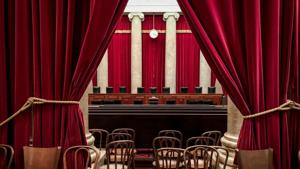
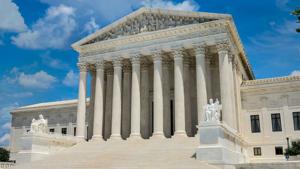
The U.S. Supreme Court agreed on Monday to decide how a 1988 video privacy law applies to the modern age.
Salazar v. Paramount Global seeks to challenge the 1988 Video Privacy Protection Act’s definition of “consumer” in reference to all goods and services or only audiovisual goods and services provided by a video tape service provider.
Michael Salazar subscribed to Paramount’s online newsletter to view videos. According to Salazar’s lawyers, Paramount shared his Facebook ID and video-watching history to Meta.
The primary issue in litigation is how the VPPA defines the term “consumer.” In the legislation drafted by Congress, “consumer” is defined as “a subscriber of goods or services from a video tape service provider.”
The argument lies in whether the statute refers to all goods and services or specifically audiovisual goods or services.
“The VPPA broadly prohibits a video tape service provider—like Paramount here—from knowingly disclosing ‘personally identifiable information concerning any consumer of such provider,’” lawyers for Salazar wrote.
Lawyers for Paramount Global argue that Salazar had access to content on its 247Sports platform, which was available to anyone on the internet.
“All Salazar allegedly did was sign up for a free, written email newsletter. That is not a ‘video cassette tape or similar audio visual material,’ so he is not a ‘consumer’ under the statute,” lawyers for Paramount wrote in a brief to the Supreme Court.
The law originated after a journalist obtained the video rental records of Robert Bork, a nominee to the U.S. Supreme Court. Congress cited privacy concerns as technology evolved and “revolutionized our world.”
In an era of streaming and video rentals, justices on the nation’s highest court will likely provide clarity for consumer privacy protections through this case.




Mostly Sunny
Latest News Stories

Marshall School Board Approves Major Changes to Football Seating and Junior High Track

Meeting Summary and Briefs: Casey City Council for Feb. 2, 2026
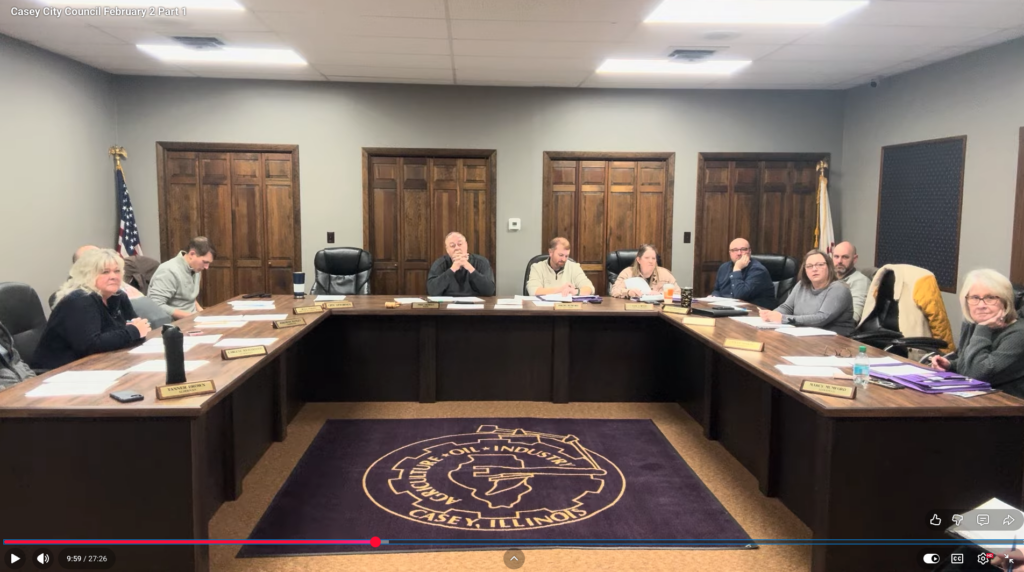
Council Votes to Reclaim Downtown Properties After Development Stalls
Meeting Summary and Briefs: Casey-Westfield Board of Education for Jan. 26, 2026

Casey-Westfield FCCLA Ranked No. 1 in Region for Service Hours
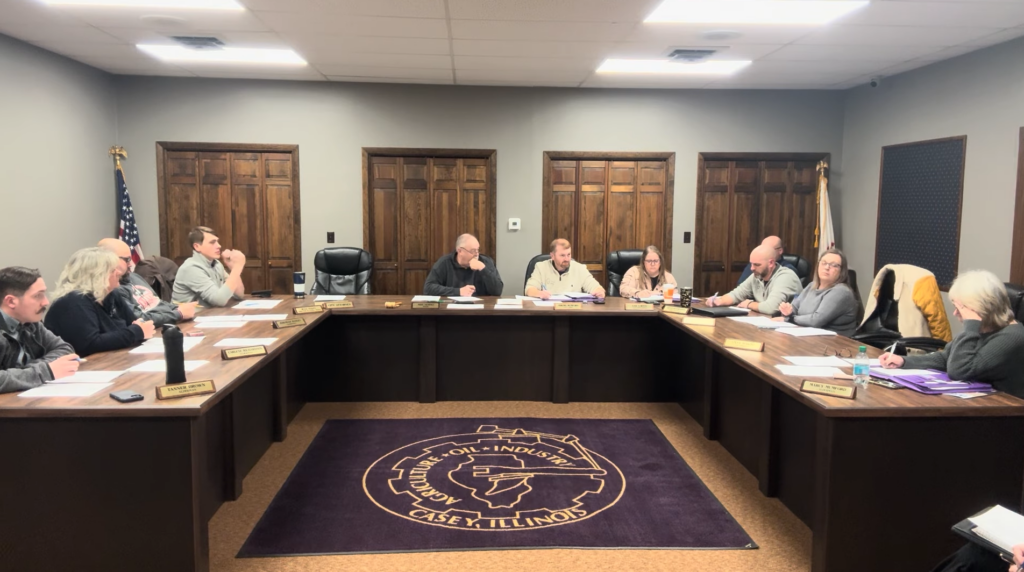
Senate Bill Secures $1 Million for Casey Sewer Improvements

EXCLUSIVE: 5 largest U.S. cities don’t have enough money to pay bills: report

INVESTIGATION: Wisconsin university closes DEI unit but keeps most staff working on equity issues
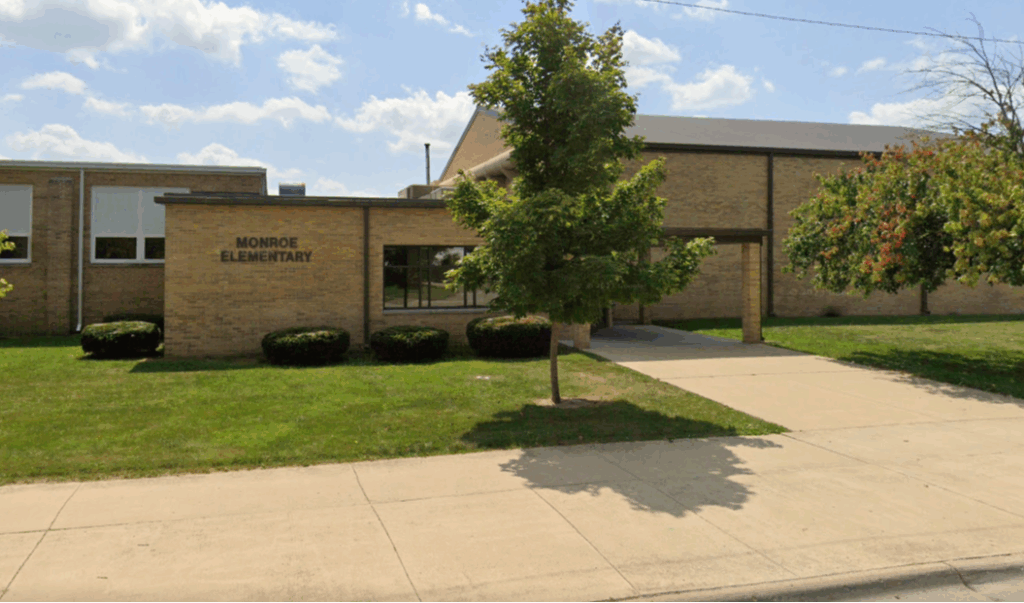
Board Approves Updated School Resource Officer Agreement
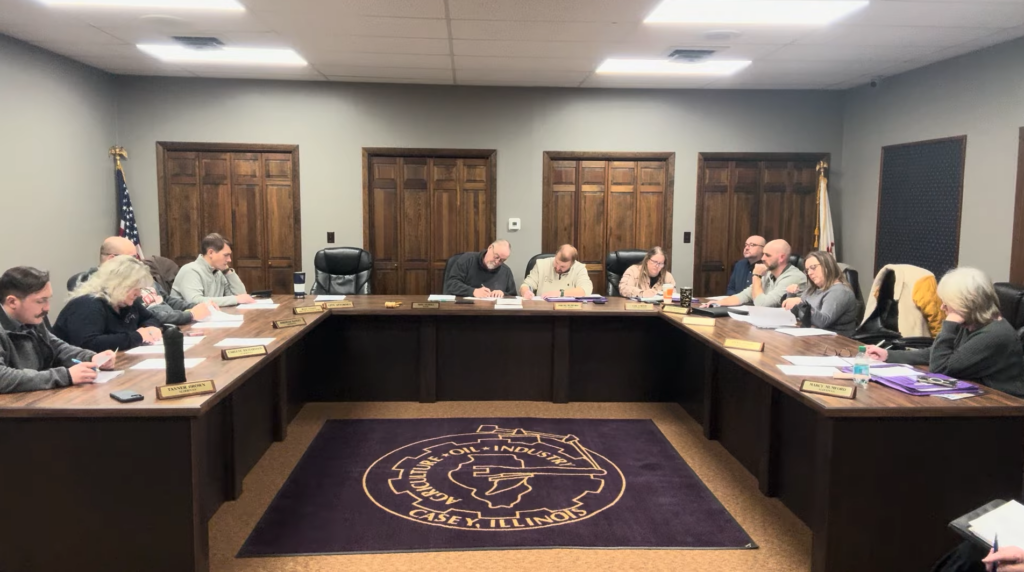
Casey Advances Housing Strategy with Land Bank Transfers and Inspection Contract

Chicago’s $41 billion financial hole exposes city’s pension crisis
Trump seeks $1B from Harvard in federal funding dispute