
Trump admin to define banking privacy laws
The Trump Administration is set to revisit regulations on data privacy and consumer protections between banks and financial technology firms such as Venmo.
The administration is looking to review the section of the Dodd-Frank Act, a 2010 regulation designed to end taxpayer bailouts and protect consumers from unfair financial practices. A provision in the act required financial institutions to provide consumers with access to their financial data.
Paul Watkins, managing partner at Fusion Law, called the provision an “essential part of our financial lives.” He said the provision allowed consumers to share their financial data with mortgage lenders or companies like Venmo and Plaid.
“The consumer, because they have access to their data, is able to unbundle products and use the information at their bank in order to get a mortgage or to get a line of credit or to transfer funds into a different account,” Watkins said.
While financial tech companies increased in power and growth, data sharing became more common. The Biden Administration then formalized the largely untouched provision in 2024 to give consumers greater access to financial data and make it easier to shop around for competing services.
While attempting to help consumers, some advocates said the Biden administration’s rules made regulations too narrow. The advocates also warned future regulations need to adequately protect consumers’ financial data.
“What we want is a system where the information can be used well, it can be used to benefit all consumers, to grow competition and the like,” said Todd Zywicki, law professor at George Mason University.
Zywicki also warned against allowing large banks to act as monopolies with future rulemaking. He said banks could charge millions of dollars to financial tech companies like Plaid to grant access for customers to receive data.
“I think there is a role here for some sort of government control over price,” Zywicki said. “If we don’t make this information available at reasonable costs to consumers so that they can use it for their benefits, people are going to come up with workarounds that could very well be less secure.”
Advocates said the decision for the CFPB will hinge on how it chooses to define “authorized third parties” that can get access to consumer data from banks.
“If that definition is interpreted the way I think it will be, then we’re going to end up with a very pro-consumer fintech and the banks are going to lose on most of these issues,” Watkins said.





Partly Sunny
Latest News Stories

WATCH: Lawmakers call out Pritzker for lack of transparency with budget cuts

Report: Barriers to social mobility largely manmade
Fetterman hospitalized for heart episode
Federal services to slowly recover following end of government shutdown

IL congressman pushes military to accept CLT, experts say it could shape education

MS-13 members prosecuted nationwide for brutal murders, fentanyl trafficking
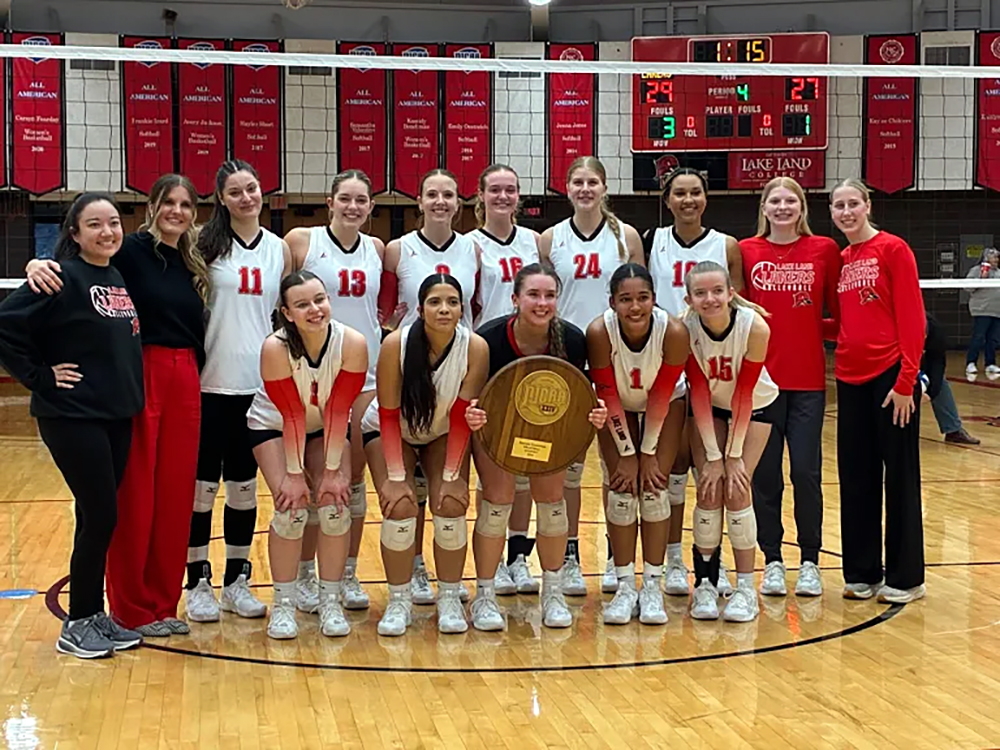
Lakers Volleyball Claims Region XXIV Championship

Illinois, Chicago residents rank high taxes as state’s top issue
Jan. 6 panel cost twice previous estimates, hiring TV producers to dramatize attack

Road Warriors: Casey-Westfield Overwhelms Nokomis 48-14 to Rumble into IHSA Elite 8

Lady Warriors’ Season Ends in Hard-Fought Regional Championship Loss to ALAH

Illinois quick hits: Illinois House members vote along party lines; More than 40% of CPS teachers missed 10 or more school days; State Treasurer says Bright Start earns gold