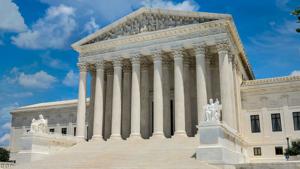
Trump admin to define banking privacy laws
The Trump Administration is set to revisit regulations on data privacy and consumer protections between banks and financial technology firms such as Venmo.
The administration is looking to review the section of the Dodd-Frank Act, a 2010 regulation designed to end taxpayer bailouts and protect consumers from unfair financial practices. A provision in the act required financial institutions to provide consumers with access to their financial data.
Paul Watkins, managing partner at Fusion Law, called the provision an “essential part of our financial lives.” He said the provision allowed consumers to share their financial data with mortgage lenders or companies like Venmo and Plaid.
“The consumer, because they have access to their data, is able to unbundle products and use the information at their bank in order to get a mortgage or to get a line of credit or to transfer funds into a different account,” Watkins said.
While financial tech companies increased in power and growth, data sharing became more common. The Biden Administration then formalized the largely untouched provision in 2024 to give consumers greater access to financial data and make it easier to shop around for competing services.
While attempting to help consumers, some advocates said the Biden administration’s rules made regulations too narrow. The advocates also warned future regulations need to adequately protect consumers’ financial data.
“What we want is a system where the information can be used well, it can be used to benefit all consumers, to grow competition and the like,” said Todd Zywicki, law professor at George Mason University.
Zywicki also warned against allowing large banks to act as monopolies with future rulemaking. He said banks could charge millions of dollars to financial tech companies like Plaid to grant access for customers to receive data.
“I think there is a role here for some sort of government control over price,” Zywicki said. “If we don’t make this information available at reasonable costs to consumers so that they can use it for their benefits, people are going to come up with workarounds that could very well be less secure.”
Advocates said the decision for the CFPB will hinge on how it chooses to define “authorized third parties” that can get access to consumer data from banks.
“If that definition is interpreted the way I think it will be, then we’re going to end up with a very pro-consumer fintech and the banks are going to lose on most of these issues,” Watkins said.





Chance Showers And Thunderstorms
Latest News Stories
House Dems pass redistricting amendment GOP says will lead to more gerrymandering
City Council Approves 4% Pay Increase for Appointed Officials

Illinois Quick Hits: Governor announces green tax credits for film and TV

‘Plaintiffs’ lawyer paradise:’ IL lawsuit-friendly courts jack up costs, report says

AG candidate seeks to reform SAFE-T Act

Op-Ed: Senate Bill 3070 provides sensible solution for students, manufacturers

Illinois millionaire’s tax moves closer to November ballot

Ava Goble’s Complete-Game Shutout Powers Casey-Westfield Past Richland County 8-0

Casey-Westfield Blanks Richland County 2-0 Behind Masterful One-Hit Shutout

U.S. Navy intercepts, seizes Iranian cargo ship

Everyday Economics: Retail sales and housing suggest a resilient consumer

Authorities: 8 children killed in domestic shootings in NW Louisiana