Black Chicagoans disproportionately face force by CPD
(The Center Square) – American Civil Liberties Union Director Alexandra Block argues a new study showing black city residents disproportionately face aggression at the hands of Chicago police much more than whites should be viewed as an indictment against the whole system.
Researchers from the University of Texas San Antonio and the University of Pennsylvania studied upwards of 8,000 incidents over a four-year period where force was used, concluding that in 73% of all such incidents it was directed at a black resident, even though they comprise just 29% of the overall population.
“What this really tells us is that the consent decree, which is the court order that is supposed to be reforming the Chicago Police Department and that required the police department to do the study, is not achieving the kind of changes on the streets of Chicago,” Block told The Center Square. “The central goal of the consent decree was to bring down force against community members and especially community members of color and that is not happening.”
Block adds much of the data uncovered essentially makes clear why the disparities exist as they do.
“We suspect that a lot of the problem is over policing,” she said. “That police are just initiating encounters with members of the community that they don’t need to; that police are responding to calls, for example, of people in a mental or behavioral health crisis where an alternative response would be better. It’s going to take a sustained, department-wide culture shift to a culture of community policing, a culture of de-escalation and not a culture of what we can get away with and claim that it’s within CPD policy.”
While researchers for the study were hired by CPD as part of its effort to comply with federally imposed changes instituted nearly a decade ago to protect the constitutional rights of Black and Latino residents, data shows thus far just 22% of consent decree requirements have been completed and top brass has taken no action in response to the study.
At the same time, the overall number of excessive force allegations filed against officers nearly doubled between 2022 and 2025, as the department faced growing pressure to change the way it trains, supervises and disciplines officers.
“What it says is that the culture change that needs to happen hasn’t happened yet, that CPD needs to become a department that views itself as serving members of the public, not harming members of the public,” Block said. “Our clients are very mistrustful of the Chicago Police Department because they’re not seeing changes. They’re, they’re not seeing that CPD is really committed to treating people with dignity and respect, to understanding the communities that that they’re policing.”
Among residents suspected of a crime, researchers found Blacks had a 52% higher risk than whites and faced a 39% greater risk of being arrested on suspicion of a crime, even as they comprise much less of the overall population.
Police Superintendent Larry Snelling is on record in asserting he does believe CPD officers are using force more often but are simply doing a better job of reporting all such encounters in accordance with changes to the system brought on by the consent decree.






Sunny
Latest News Stories

Illinois quick hits: Senator’s deferred prosecution deal approved; Indiana Senate votes against new maps

Judge: CHA lawyers must pay $59K for citing ChatGPT-created cases
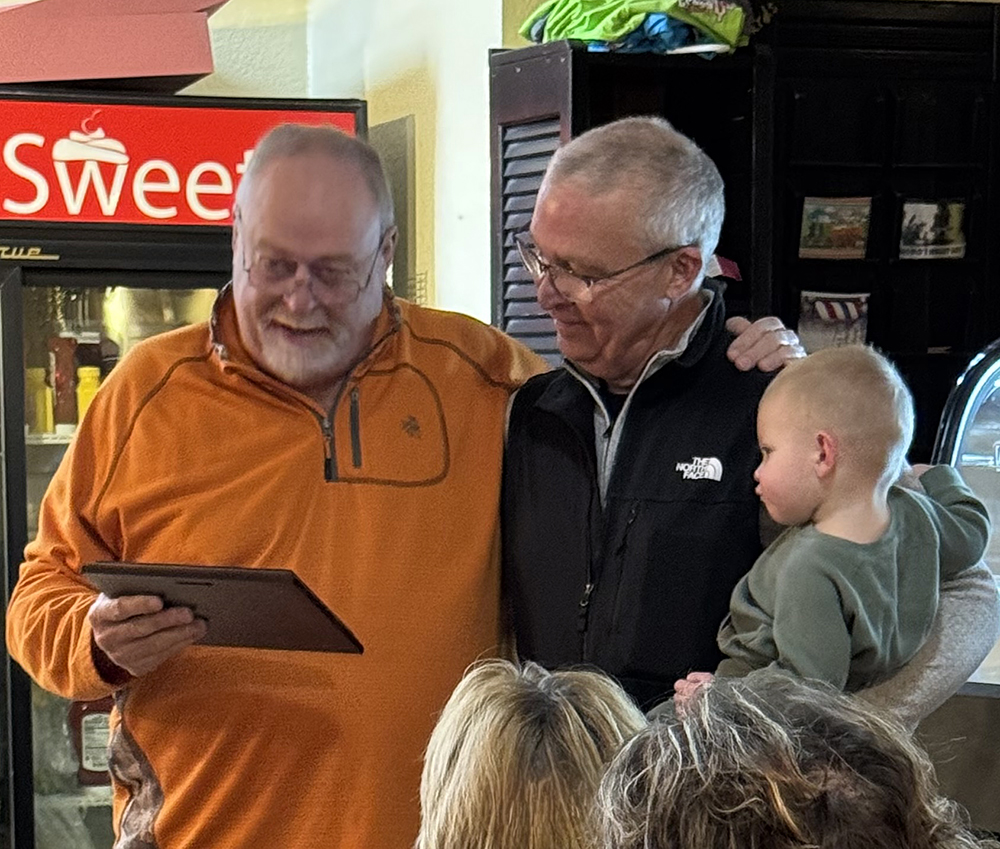
Casey Officials Honor Utilities Superintendent Shelby Biggs at Retirement Celebration

Op-Ed: Your kids now belong to the Chicago Teachers Union

Illinois quick hits: Former police chief convicted of bribery; man sentenced for fraud

WATCH: Chicago mayor: ‘Wicked’ people want chaos; critics rip mayor

WATCH: Chicago mayor warns of budget ‘chaos,’ end-of-life options bill on gov’s desk

Moore Notches Double-Double, But Warriors’ Rally Stalls in Loss to OHPHS

Warriors battle past Cumberland for road win
Moore Notches Double-Double in Casey-Westfield Loss to Robinson

Meeting Summary and Briefs: Casey City Council for Dec. 3, 2025
Council Moves to Increase Utility Reconnect Fees to Curb Non-Payment