Lobbyist: Passenger rail planning bill has no fiscal impact this year
(The Center Square) – Rail planning advocates say there would be no immediate fiscal impact if lawmakers pass legislation laying the groundwork for more frequent passenger train service in Illinois.
House Bill 4279 sets forth intercity routes and requires the Illinois Department of Transportation to incorporate aspirational service frequencies for trains from Chicago to destinations in Illinois, the Midwest and beyond.
State Rep. Rita Mayfield, D-Waukegan, said communities from Rockford to East St. Louis would see hourly passenger service with expanded service to other Midwestern cities.
“When we improve our rail service, we’re boosting the entire region’s economy, bringing more opportunities and resources to everyone’s lives,” Mayfield said.
Mayfield said there are not tracks everywhere the trains might go.
“Part of this planning is looking at where do we want to go, what is currently available and what do we need to put in place. That is why you need to have a plan,” Mayfield said.
Mayfield said the plan would look at current commute and tollway data.
Speaking on behalf of the High Speed Rail Alliance, lobbyist Dan Johnson said the bill does not call for funding or have any immediate effect on the state budget.
“There’s incredible demand for travel. We’re just underinvesting in our passenger trains, but there’s no fiscal impact this year,” Johnson said.
As of Monday afternoon, more than 300 proponents filed witness slips supporting HB 4279.
The Illinois Chamber of Commerce, Illinois Manufacturers’ Association, Illinois Railroad Association and several railroad companies were among the nine organizations and individuals filing witness slips expressing opposition to the legislation.
State Sen. Li Arellano, R-Dixon, has expressed concern that Gov. J.B. Pritzker’s proposed budget for fiscal year 2027 borrows more money to cover transit-related spending.
“It includes hundreds of millions in bonding for infrastructure, because in the transit bill, they swept funds out of rural roads and bridges,” Arellano said after the governor’s budget address last month.
Pritzker signed Senate Bill 2111, a $1.5 billion transit funding package, last November.
The new law is expected to provide about $860 million in annual transit funding from a diversion of the state’s motor fuel tax.
SB 2111 also allows the Regional Transportation Authority to raise sales taxes by 0.25% across six Chicago-area counties and provides for higher tolls on Illinois tollways.


Partly Sunny then Isolated Rain Showers
Latest News Stories
Study of wine tariffs shows consumers will pick up part of Trump’s tab
Illinois child welfare agency to update number of missing children
Lake Land College Renews CPR Training Partnership with Illinois Department of Corrections
Casey’s Emergency Warning Sirens in Need of Critical Upgrades
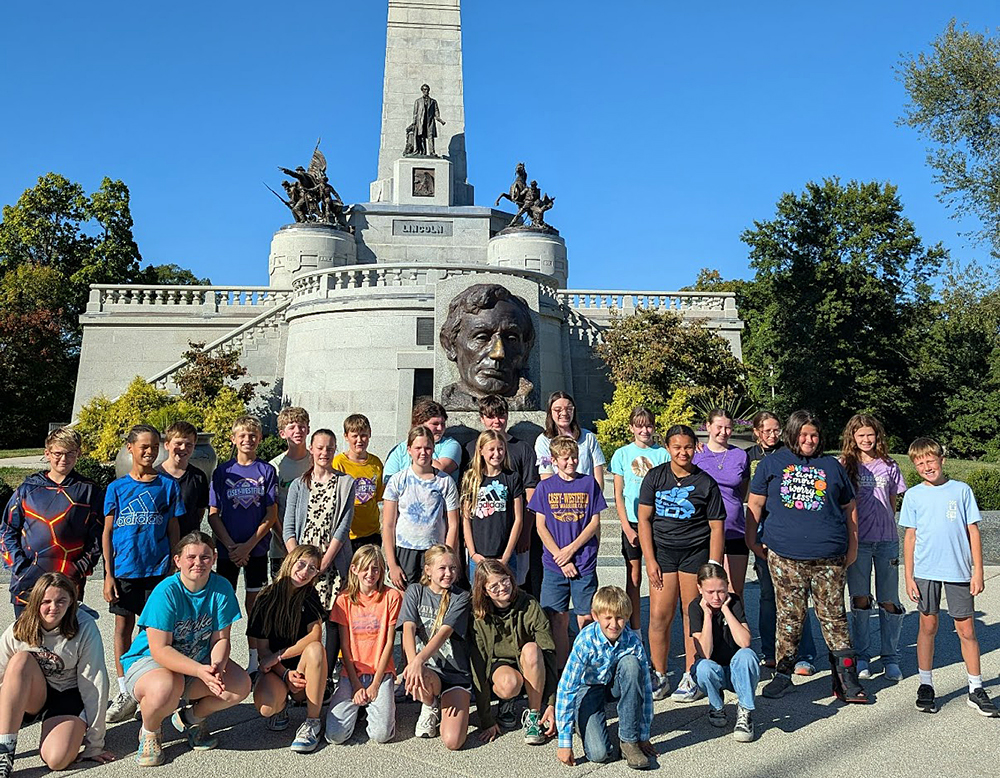
Bringing History to Life: Sixth Graders Tour Springfield

Narco interdiction at sea isn’t new, CBP, Coast Guard have been doing it for years

Government shutdown halts visa, permanent resident approvals
Ads roll on, money pours in, and SCORE Act waits
Primary election filing to begin Monday for Illinois Dem, GOP candidates
Poll: Young adults not confident in 2026 election fairness
Casey-Westfield School District Reports Strong Financial Position
Casey Moves Forward with City Hall Office Remodel for Enhanced Safety