
Supreme Court declines to hear felony gun possession case
The U.S. Supreme Court on Monday declined to decide whether individuals with felony records can be permanently disarmed under the Second Amendment.
The court declined to hear Vincent v. Bondi on Monday. The challenge targeted laws banning individuals with felony convictions from possessing firearms.
Melynda Vincent, a social worker and nonprofit founder, was convicted of federal bank fraud in 2008 for attempting to pass a fraudulent check. While nonviolent, the felony prohibits Vincent from possessing firearms.
In Vincent v. Bondi, Vincent argued the prohibition violated her Second Amendment rights. She sought to have the law declared unconstitutional and for an injunction to prevent the U.S. attorney general from enforcing it against her.
After denials in lower court, Vincent sought relief from the U.S. Supreme Court.
“Text, history, and tradition show that the government cannot permanently disarm Ms. Vincent – a single mother, social worker, adjunct college professor, and nonprofit founder with two college degrees – solely because of one seventeen-year-old conviction for passing a bad check,” Vincent’s lawyers wrote in a petition to the Supreme Court.
The government disputed Vincent’s claims of a permanent ban from the possession of firearms. In a petition to the court, lawyers for the Trump administration said the government reinstated a process for convicted felons to gain their rights to possess firearms, leaving Vincent’s challenge on a faulty basis.
Even still, lawyers for the government argued the ban on firearm possession for felons aligns with the history and tradition of the Second Amendment.
“American colonies imposed that penalty even for non-violent crimes such as counterfeiting, squatting on Indian land, burning timber intended for house frames, horse theft, and smuggling tobacco,” lawyers for the government wrote in a brief to the court.
Additionally, the Supreme Court denied similar petitions from Selim Zherka and Steven Duarte, who both sought permission from the government to possess firearms despite previous non-violent felony convictions.
The Supreme Court’s denial comes as justices on the bench prepare to hear a significant case on Second Amendment rights for individuals who engage in regular drug use on Monday. The case, U.S. v. Hemani, could drastically expand gun rights in the United States.





Mostly Clear
Latest News Stories

Lawmaker calls for department reform supporting Illinois families with disabled children

Lawyers’ ‘misleading statements’ hang cloud over college finaid class action
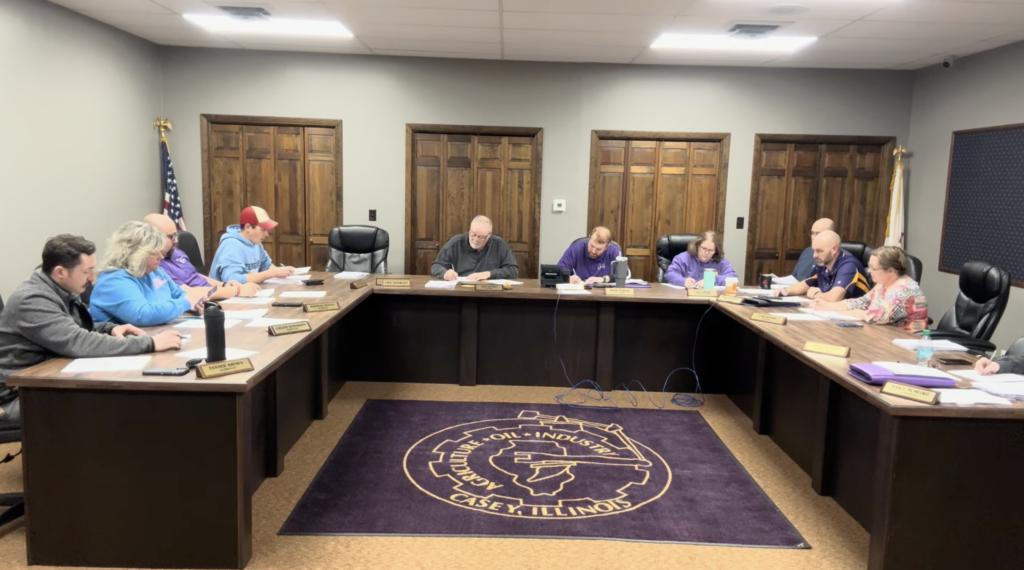
Casey City Council Approves Over $175,000 in Potential Matches for Downtown Business Redevelopment

Ceasefire impact holds across markets despite varying reports on the Strait of Hormuz

SEC chairman returns ”first principles’ to public markets, supports Texas exchange
Complaint filed against AMA Foundation for racially discriminatory scholarships

Democrats vow to hold Bondi in contempt for refusing Epstein deposition

Commonwealth LNG signs supply deals with five major buyers

Lawmakers hear debate over data centers including revenue, headaches

Illinois quick hits: Madigan corruption appeal to begin Thursday; Attorney General asks lawmakers for additional $15 million;
Deficit watchdog urges Congress to cut more, spend less than Trump’s budget request

Lawmaker pushes sales tax pause on gas as questions cloud ‘fragile’ ceasefire