Trump considering temporary U.S. energy shipping waivers
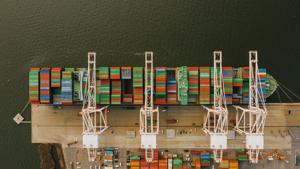
President Donald Trump said Friday he is considering a temporary suspension of shipping regulations that govern energy, agricultural and other cargoes moved between U.S. ports as prices for crude oil, gasoline and diesel fuel continued to push higher on the 13th day of the U.S.-Israeli conflict with Iran.
The president said in an early-morning network interview he would “take a look” at suspending the Jones Act for 30 days, potentially allowing foreign-flagged oil and gas tankers, which are cheaper to charter than U.S.-owned vessels, to ship gasoline, diesel, and other liquid fuels between domestic ports.
U.S. benchmark West Texas Intermediate crude oil settled Friday at $99.04 per barrel while the national average prices for regular grade gasoline reached $3.63 per gallon, the highest since May 2024, according to AAA data.
Consumers in the Northeast and along the West Coast, where oil refineries have closed in the last two decades, would be the biggest beneficiaries of the 30-day suspension, with analysts saying gasoline prices in both regions should decline by about 2 cents to 10 cents per gallon after the waivers go into effect.
GasBuddy head of petroleum analysis Patrick De Haan said Thursday that gasoline prices could drop about 5 cents a gallon in the Northeast and on the West Coast over time if the president approves the waivers.
Separately, White House Press Secretary Karoline Leavitt said in a statement released Thursday afternoon that the White House was considering suspending provisions of the Jones Act for national security reasons.
The Jones Act, passed by Congress in 1920, mandates that goods moved between U.S. ports must be carried on ships built, owned, and crewed by Americans – a policy that critics say inflates domestic shipping costs.
“In the interest of national defense, the White House is considering waiving the Jones Act for a limited period of time to ensure vital energy products and agricultural necessities are flowing freely to U.S. ports,” Leavitt said.
Under the law, the secretary of Homeland Security and the defense secretary can request a waiver that is in the “interest of national defense.”
Bloomberg reported on Thursday that the Jones Act waivers would apply to commercial ships transporting oil, gasoline, diesel, natural gas and fertilizer. Urea and other fertilizers produced with fossil fuels are in short supply globally as growers in the northern hemisphere enter the critical planting season when usage is high.
More than 30% of world trade in nitrogen fertilizer and fertilizer components like sulfur passes through the Strait of Hormuz, now closed except to vessels approved by Iran’s Revolutionary Guard.
An Indian-flagged oil tanker was allowed to pass through the Strait on Friday morning following conversations between Prime Minister Narendra Modi and Iran’s President Masoud Pezeshkian. The Strait remained closed to most shipping, however.
In recent years, about 20% of global oil supplies haved passed throuth the Strait of Hormuz in a typical day.
The president said Friday that the U.S. Navy is prepared to escort vessels throught the Strait if necessary to protect oil and gas shipments.




Sunny
Latest News Stories

WATCH: Dysolve AI offers approach to dyslexia in schools

Pregnancy centers ‘crucial’ to national safety net, provide over $452M to families in 2024

Inventors back effort to tackle intellectual property thefts

WATCH: Dems leave hearing before minority group’s testimony on Biden border policies

Illinois quick hits: ICC approves smaller rate increases
WATCH: Ex-Illinois governor pushes for ‘millionaire’s surcharge’ amendment

Lawmakers weigh replacing Obamacare tax credits with health savings accounts

Feds: Guilty plea hearings scheduled for Antifa members indicted on terror charges

Lawyers call legal immigration crackdown harmful

Casey Officials Clarify City Finances, Justify First Proposed Property Tax Hike in Five Years

WATCH: Illinois continues work to reduce state’s high SNAP error rate

Border Patrol agents arrest illegal CDL drivers in upstate New York