Trump’s fall-back tariffs face court scrutiny, skeptical voters
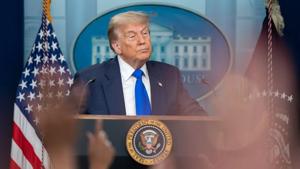
President Donald Trump’s new global import taxes are facing mounting backlash from price-conscious voters and legal challenges in a Manhattan trade court that could ultimately return to the U.S. Supreme Court.
The U.S. Court of International Trade gave the federal government less than a month to respond to the two lawsuits challenging Trump’s global tariff under Section 122 of the Trade Act of 1974.
Trump used the alternative law to impose a 10% global import duty hours after the U.S. Supreme Court in February struck down the tariffs the president imposed under a 1977 law in a tariff regime announced in April 2025. Trump said the new global tariff will climb to 15%. The law has never been used before, so it has not been tested in the courts. The Trump administration says the law allows the president to levy tariffs of up to 15% for up to 150 days to address significant international payment issues.
At the same time, Trump is using yet another law to investigate the trade practices of 16 nations, which could lead to additional tariffs he plans to use to rebuild his tariff wall.
United States Trade Representative Jamieson Greer launched investigations this week into China, the European Union, Singapore, Switzerland, Norway, Indonesia, Malaysia, Cambodia, Thailand, Korea, Vietnam, Taiwan, Bangladesh, Mexico, Japan and India.
The small businesses challenging Trump’s Section 122 tariffs say the law provides no basis for the new import taxes.
“Section 122 is limited to international balance-of-payments problems – problems it is economically impossible for the United States to suffer under our current system of floating exchange rates,” Liberty Justice Center attorneys wrote.
Democrat-led states also challenged the Section 122 tariffs on similar grounds, arguing that Section 122 doesn’t allow the tariffs Trump imposed after the Supreme Court ruling.
The Court of International Trade ordered the government to respond to both cases by April 3.
“The Court’s expedited briefing schedule … shows it understands the urgency and seriousness of these Section 122 challenges,” said Jeffrey Schwab, senior counsel at Liberty Justice Center, the Texas-based nonprofit law firm representing small businesses in the case.
Phillip Magness, a senior fellow at the Independent Institute, said Trump’s legal interpretations could once again end up before the Supreme Court.
“Trump has effectively adopted a strategy of statute-shopping, meaning he’s looking to reenact the same agenda that the court struck down by retrofitting it into different clauses of law,” Magness told The Center Square. “There’s a good chance we will have another round of court proceedings that could reach the Supreme Court.”
As the midterm elections approach, Trump’s tariffs are increasingly unpopular with voters. Rising prices, cited by seven in 10 Americans as a direct result of these tariffs, have become a central concern across party lines, according to recent polling.

Chance Showers And Thunderstorms
Latest News Stories

Meeting Summary and Briefs: Lake Land College Board of Trustees for September 2025

Volunteer Shortage Cancels Library’s Parade Entry; Full Slate of October Events Planned
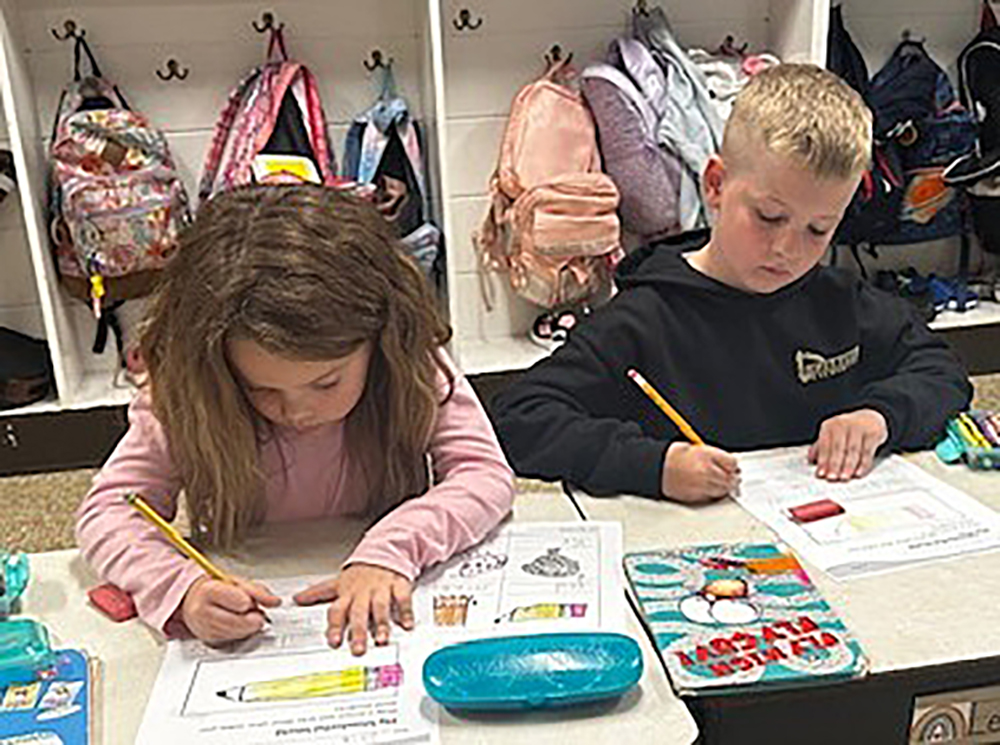
Building Blocks of Literacy: First Graders Master Reading and Writing
WA Dems blame GOP for government shutdown; 1 million in state could lose SNAP benefits
Officials react to allegations of civilians impersonating ICE

WATCH: Bonta visits food bank amid lawsuit over CalFresh

IL taxpayers to pay $20M for food banks as SNAP funding lapses start Saturday

Poll: 7 in 10 of Americans are against mail-order abortion without a doctor visit
Trump’s plan to re-start nuclear weapons testing faces criticism

Illinois quick hits: Corrections director appointment approved; Clean Slate Act passes

Tyler Robinson’s in-person hearing delayed to January

GOP may have to rewrite govt funding bill as shutdown hits 1 month mark