
Everyday Economics: The Fed faces a slowing economy and a new inflation shock
Last week’s data painted an uncomfortable picture. The U.S. economy entered 2026 with less momentum than previously thought, and inflation was still running hotter than the Federal Reserve would like. Revised figures showed fourth-quarter GDP grew at just a 0.7% annualized rate, down from the earlier 1.4% estimate, a sign that growth was already fading before the latest geopolitical shock. January’s income-and-spending report did little to ease those concerns: real consumer spending barely rose, while core PCE inflation accelerated to 3.1% from a year earlier. Personal income increased, but part of that gain came from dividend income, which is less reliable than wage growth as a support for household spending.
The labor market told a similarly fragile story. Job openings remain subdued, and there are now more unemployed workers than open positions – a clear sign that labor demand has weakened. Yet the unemployment rate has not exploded, partly because the civilian labor force has declined and slower population growth is reducing labor-force inflows. In other words, the labor market looks less healthy than the headline unemployment rate suggests. Workers are staying put because it has become much harder to find a new job, and that low-hire environment is likely to keep wage growth under pressure just as inflation begins to rise again.
That matters because households are now being squeezed from both sides. Hiring has slowed, wage growth is likely to cool further, and inflation pressures are picking up again. The risk is that real wage gains narrow or turn negative for many households, especially lower-income families who are most exposed to higher prices for essentials like energy, food and shelter. Depending on the duration of the Iran conflict, oil prices could remain elevated, intensifying the squeeze in the months ahead.
This week’s main event is the Federal Reserve meeting on March 17–18. The Fed is widely expected to leave rates unchanged, but that does not mean the meeting will be uneventful. This is one of the quarterly meetings that includes a new Summary of Economic Projections, which means investors will be watching the updated “dot plot” and the Fed’s revised forecasts for growth, unemployment, and inflation. The central question is straightforward: if growth is weakening and the labor market is stalling, will officials be willing to look through what they may view as a temporary, oil-driven inflation shock? Or will they decide inflation is still too high to justify easier policy?
That is the Fed’s tradeoff. On one side, the economy was already losing speed before the latest rise in oil prices. On the other, higher energy costs threaten to push headline inflation higher and could also keep inflation expectations from settling down. The likely outcome this week is no rate change and a cautious message: officials may acknowledge softer growth and a weaker labor market, but they are unlikely to signal urgency on cuts while inflation is re-accelerating. Markets have moved in that direction too, with traders now seeing a hold next week as overwhelmingly likely and betting the first cut may not come until later in the year.
Housing will also be in focus, with the January new-home-sales report now scheduled for March 19 after a delay. The story there is mixed. Lower mortgage rates in February briefly improved affordability and made builder incentives such as rate buydowns more effective. But that window may already be closing: The 30-year fixed mortgage rate is back up roughly 40 basis points from slightly below 6% in February. Builders are also facing stiffer competition from the resale market, where inventory has begun to rise and February existing-home sales posted a modest increase. That should keep pressure on new-home demand even if builders continue using incentives to move inventory.
The broader takeaway is that the economy is becoming harder to read, but the direction of risk is clearer. Growth is softening. The labor market is losing dynamism. Inflation is not moving cleanly toward target. And now the oil shock threatens to worsen all three. This week’s Fed meeting will not resolve that tension, but it should tell us whether policymakers still believe weaker growth will eventually dominate, or whether they now fear inflation will stay uncomfortably high for longer. That answer will shape the outlook for rates, housing, and household finances over the rest of 2026.



Isolated Rain Showers
Latest News Stories

First lawsuit filed against Camp Mystic by parents of five campers, two counselors
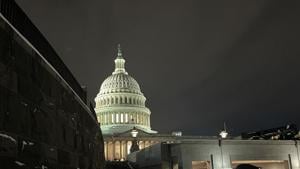
Senate votes to reopen government, sending funding bills to House

Illinois quick hits: Bailey to stay in governor’s race

Airlines warn flight reductions could cost U.S. economy

Report: Less than half of CPS students performing at grade level

WATCH: IL comptroller candidates focus on transparency, timely reporting

With shutdown ending, debate on Obamacare subsidies to begin

Democratic senators under fire explain why they supported GOP bill to end shutdown

FDA to remove ‘black box’ warnings on menopausal hormone therapies

Giannoulias ramps up campaign for state regulation of auto premiums

Trump demands air traffic controllers return to work

Analysis: Trump’s proposed tariff rebate would cost twice as much as tariffs