Chicago mayor announces homelessness plan with unclear funding sources
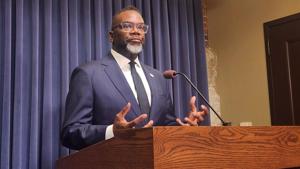
(The Center Square) – Chicago officials unveiled a plan they say would effectively end homelessness in the city, even as questions over leadership changes and unclear funding streams cast early uncertainty over how the plan will be implemented.
The five-year blueprint features data, recommendations and insight into how the city might address the issue of homelessness. It contains seven pillars to address – emergency services, housing, health, education, employment, community cohesion and systems alignment.
Improvements to homelessness services have already been in progress according to Chicago Mayor Brandon Johnson, but the blueprint will provide guidance for initiatives. The report says it aims to effectively end homelessness, based on a framework called Functional Zero.
Sendy Soto, Chicago chief homelessness officer, was appointed to the position by the mayor in 2023 to lead efforts creating the five-year plan. Her departure from the position was announced by Johnson early this week.
During media availability Tuesday, Johnson said the reason Soto’s position is ending now is solely because her duties had been fulfilled early.
Neither Johnson, nor the report, give clear answers as to where funding would come from for initiatives.
“I think it’s imperative that we find multiple streams of revenue so that we have more than enough, not just to deal with homelessness and housing, but we can deal with the other critical needs that people have,” Johnson said.
The report does not provide specifics on what, if any, new funding needs might be placed onto taxpayers in the city, but the report provides guidance to more efficiently use current allocations put toward the issue.
Emily Krisciunas, executive director of Chicago Funders Together to End Homelessness – the coalition that funded the position and blueprint work – said the position was not intended to end after the report concluded.
“The third and final payment on CFTEH’s grant to the City of Chicago remains pending. CFTEH’s intent was for the Chief Homelessness Officer to become a permanent, city-funded role,” Krisciunas said in a statement. “CFTEH continues to believe that dedicated, senior-level leadership in the Mayor’s Office and sustained city investment are two key components of our collective efforts to end homelessness.”
According to Johnson, work guided by the plan will instead be overseen by Jonah Anderson, first deputy mayor for health and human services, assuming an additional role as director of the Mayor’s Office of Homelessness.
“The title, in and of itself, doesn’t determine whether or not the assignment will continue. We have, for the first time in over a decade, we don’t have families waiting for shelter if they’re unhoused,” Johnson said.






Sunny
Latest News Stories

Costco faces lawsuit as consumers seek refunds from invalid tariffs

Insurer won’t back Gori defense vs asbestos lawsuit fraud claims

With teachers union support, committee approves charter school mandates

Allstate can’t delete class action over alleged secret app tracking

Chicago voters view housing affordability as bigger issue than crime

New Illinois gun bill aims at glock switches; critics say it misses the real problem

Illinois quick hits: Cook County spends nearly $20 million on food, housing services; Chicago Teachers Union tells teachers, students to skip school; Russell Dickerson to play Du Quoin State Fair

Meeting Summary and Briefs: Casey-Westfield School Board for Feb. 23, 2026

Illinois quick hits: Services Saturday for teen killed by line drive
Critics concerned seizure detection bill impacts Illinois’ small businesses
CTA security enhancement plan follows federal push, complaints
Lawyers who specialize in suing Chicago cops seek special prosecutor to go after ICE
IL Labor Relations Board director: Rideshare unionization bill could double budget

Meeting Summary and Briefs: Casey City Council for March 2, 2026