Trump says Iran’s new leader wants ceasefire
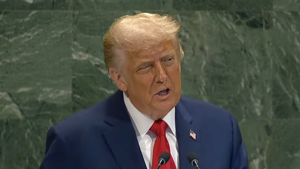
President Donald Trump announced today that Iran’s new leader has requested a ceasefire, marking a possible turning point in the ongoing conflict that has gripped the region for weeks.
As the U.S.-Iran conflict stretches into its second month following the February 28 attacks, President Trump claims Iran’s new leadership has now requested a ceasefire. This development signals a potential shift in the ongoing hostilities, which have rattled global energy markets and strained American consumers.
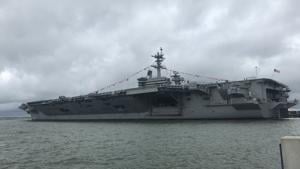
The U.S., however, remains firm: any move toward peace hinges on Iran reopening the vital Strait of Hormuz, a flashpoint whose closure has driven oil and gas prices sharply higher.
Trump stated he would only consider Iran’s ceasefire proposal if the country reopens the critical Strait of Hormuz, a vital shipping lane for global oil exports.
“Iran’s New Regime President, much less Radicalized and far more intelligent than his predecessors, has just asked the United States of America for a CEASEFIRE!” Trump wrote in a social media post Wednesday morning. “We will consider when Hormuz Strait is open, free, and clear. Until then, we are blasting Iran into oblivion or, as they say, back to the Stone Ages!!!”
On Tuesday, Trump estimated that the U.S. military campaign against Iran could continue for weeks.
“We’re finishing the job, and I think within maybe two weeks, maybe a couple of days longer, to do the job,” the president said.
Earlier in the week, Trump struck a different tone, urging U.S. allies to become more involved in the conflict with Iran.
Trump noted that the U.S. does not rely on the Strait of Hormuz for its own oil supply. However, Iran’s closure of the waterway occurred after U.S. and Israeli attacks Feb. 28 and has driven up global gas and diesel prices. These price spikes have been felt in the U.S., causing widespread frustration among American consumers.
Since the start of the conflict at the end of February, U.S. gas prices have climbed about $1 per gallon, with the national average recently hitting $4 per gallon.
The ongoing conflict with Iran has rattled global markets, sending oil prices to their highest levels in years. If hostilities continue, experts warn that economic strain will deepen, further burdening U.S. taxpayers.
With U.S. military operations costing more than $1 billion per day, analysts say a prolonged war could drive a significant increase in defense spending and further impact the federal budget. The Department of War has suggested it could request an additional $200 billion from Congress for the Iran operations.
The U.S. and Israel launched attacks on Iran on Feb. 28 after nuclear talks with the Islamic Republic failed to produce a deal. Trump and Secretary of War Pete Hegseth have laid out four military objectives: Destroying Iran’s missile capabilities, neutralizing its navy, preventing the development of nuclear weapons, and ensuring the regime can’t direct terrorism beyond its borders. Trump and Hegseth have said most of those objectives have been accomplished.






Sunny
Latest News Stories
Leavitt calls for firing UN staff if Trump’s escalator stopped intentionally

Figures show California is state with highest unemployment

Teacher union sues feds for delaying loan forgiveness

Catholic law professor says lower courts botched tariff rulings

Bipartisan lawmakers reintroduce DACA protections

Routh guilty on all charges in plot to kill Trump
Trump, Zelenskyy meet as Russia accused of violating NATO nations’ air space

WATCH: IL governor on photo with wanted suspect: ‘No way to vet everybody’

Illinois quick hits: Constitutional amendment would guarantee parental rights
Oversight committee expands probe on ‘politically motivated’ debanking

‘Brutal slog:’ Government shutdown looms as bipartisan negotiations derail
WATCH: Republican leader: says Pritzker budget cut EO a ploy for IL tax increases