Lawmaker criticizes surplus spending bill
(The Center Square) – A proposal aimed at helping local governments manage retiree health care costs is drawing differing views from Illinois lawmakers over how taxpayer dollars should be used.
Senate Bill 4175 would allow municipalities to create Other Post-Employment Benefits trusts, which are designed to fund retiree fringe benefits such as health care. Supporters say the measure offers a more structured and potentially cost-effective way to manage long-term obligations.
“Senate Bill 4175 would allow municipalities to establish OPEB trusts to fund retiree fringe benefits. These trusts allow municipalities to invest the funds more broadly than typical municipal accounts and can help improve credit ratings. I’ve worked to put guardrails in place to protect municipalities, ensuring financial responsibility is a priority,” Sen. Suzy Glowiak Hilton, D-Western Springs, told The Center Square.
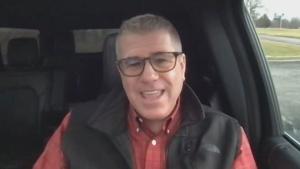
Critics say the bill could encourage governments to keep excess tax revenue instead of returning it, with Sen. Chris Balkema, R-Channahon, warning it raises broader fiscal concerns despite appearing beneficial at first glance.
“At face value, it appears to help with spending,” Balkema said. “But when a municipality has a surplus, the better thing to do is give the money back to the taxpayer.”
Balkema said municipalities that consistently run surpluses may be overtaxing residents in the first place. He argued that instead of directing excess funds into new accounts for retiree health care, local governments should focus on reducing tax burdens.
“Don’t tax more,” he said. “Let’s not create a new path on where to funnel the money to pay for a necessary cost.”
Drawing on his experience as former chairman of Grundy County, Balkema said local governments can run surpluses through efficiency improvements but should use those funds to pay down debt or reduce future tax levies.
“There are opportunities to run your organization efficiently,” he said. “But doing it in a way that allows taxes to be reduced in the future is the better approach.”
Balkema acknowledged those costs are legitimate but questioned whether the approach outlined in the bill is appropriate.
“Employees need health care, I get that,” he said. “But this seems like a roundabout way that perhaps costs would be covered through a fashion that they shouldn’t.”





Sunny
Latest News Stories
WATCH: GOP leader calls Pritzker’s accountability commission a ‘political stunt’
Unions sue Trump over immigrant drivers license crackdown

Battery storage financials remain in question as lawmakers consider energy omnibus

Illinois quick hits: Pritzker praises credit upgrade; Cook County approves $20M quantum grant

Op-Ed: Main Street businesses, customers would bear brunt of a tax on services

Supreme Court grants extra time for arguments in tariff case

WATCH: White House vows to ‘fight’ lawsuits over $100,000 H-1B visa fee
WATCH: Illinois leaders on both sides send Bailey family condolences for loss of 4
Democrats tank GOP bill to pay troops, essential workers during govt shutdown

Texas lawmaker introduces agricultural visa reform

Home sales rise 1.5% in September as mortgage rates dip

FBI arrests 34 in NBA, poker gambling probe involving crime families