Calif. climate change lawsuits paused during SCOTUS review
Lawsuits over climate change in California will be on hold while the U.S. Supreme Court decides whether they can be pursued.
San Francisco Judge Ethan Schulman Tuesday issued a stay of the litigation, finding it would “be in the interests of justice” to do so while the Supreme Court makes its decision in Boulder’s lawsuit against Suncor.
Dozens of lawsuits brought by government officials who hired private lawyers on contingency fees have been filed through the years, though only Hawaii’s and Colorado’s supreme courts have let them progress past Big Oil’s motions to dismiss. Most recently, the Maryland Supreme Court affirmed dismissals of cases by Annapolis and Baltimore, finding they “cannot be seriously contemplated.”
Though they make claims for public nuisance and violations of consumer protection laws, defendants and the Trump administration assert they are improper attempts to influence the international energy market. State judges in Pennsylvania, South Carolina, New York, Maryland and New Jersey have agreed.
“Pausing wasteful and nonsensical claims that 50 US states and their subdivisions should set global climate policy through lawsuits is a victory for common sense and reliable energy,” said Theodore Boutrous, Jr. of Gibson, Dunn and Crutcher, who represents Chevron.
The cases consolidated in San Francisco include the State of California’s, San Mateo County’s, Marin County’s, Oakland’s, Imperial Beach’s, Santa Cruz’s, Richmond’s and San Francisco’s.
Jackpot-seeking lawyers crafted their complaints to claim companies like Exxon tricked the public into using fossil fuels. They were also designed to stay out of federal court, where the energy industry could have mounted an even stronger defense.
But state court judges have found the cases seek to regulate emissions standards – the job of federal regulators. In February, the Supreme Court granted Suncor’s petition to review the Boulder case, in which its motion to dismiss was denied.
Amicus briefs in the case have poured in, urging the justices to rule on key issues persisting in the more than 30 climate lawsuits. A ruling for the energy industry is likely to close the other lawsuits around the country.
Alabama Attorney General Steve Marshall led a group of 26 states that said Boulder is trying to “assert a power with no analogue in our Nation’s history and no place in our federalism.”
Republicans in Congress also filed a brief, complaining the Colorado Supreme Court’s ruling created a patchwork of state and local regulations for a market that is supposed to be overseen by federal authorities.
And the Trump administration, which has issued an executive order forbidding any new cases and is battling the attorneys general of Michigan and Hawaii in court, submitted its thoughts last year, saying Boulder is attempting to impose new rules that would go far beyond the borders of Colorado.
“If, as the Colorado Supreme Court held, those theories are consistent with federal law, then every locality in the country could sue essentially anyone in the world for contributing to global climate change,” that brief says.




Isolated Rain Showers
Latest News Stories

WATCH: Closed Navy base in Puerto Rico could play role in fight against narco terrorists

Study of wine tariffs shows consumers will pick up part of Trump’s tab
Illinois child welfare agency to update number of missing children

Lake Land College Renews CPR Training Partnership with Illinois Department of Corrections
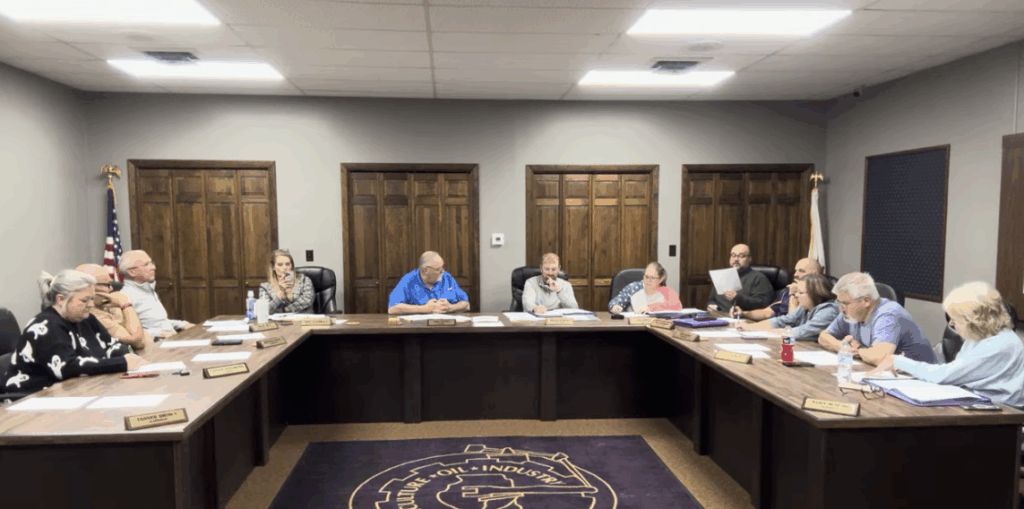
Casey’s Emergency Warning Sirens in Need of Critical Upgrades
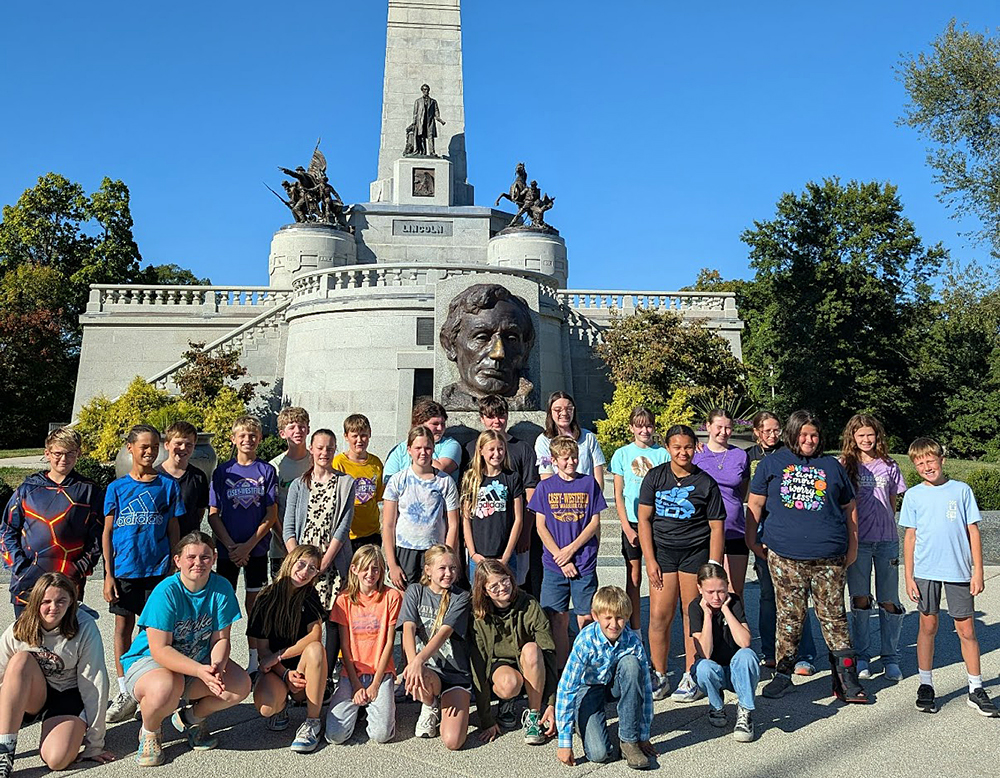
Bringing History to Life: Sixth Graders Tour Springfield

Narco interdiction at sea isn’t new, CBP, Coast Guard have been doing it for years

Government shutdown halts visa, permanent resident approvals

Ads roll on, money pours in, and SCORE Act waits
Primary election filing to begin Monday for Illinois Dem, GOP candidates

Poll: Young adults not confident in 2026 election fairness

Casey-Westfield School District Reports Strong Financial Position