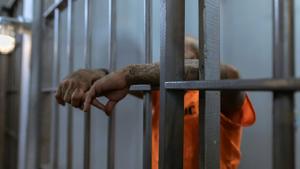
Reentry housing bill draws support from advocates; debate centers on cost, public safety
(The Center Square) – Supporters of Illinois’ proposed “Homes for Good Act” say the measure could reduce recidivism and improve public safety by addressing one of the biggest barriers facing people leaving prison – stable housing.
Jennifer Vollen-Katz, executive director of the John Howard Association, said the initiative goes beyond simply providing housing assistance to formerly incarcerated people and instead takes a “holistic” approach to reentry.
“People are leaving prison with many different needs that are interconnected,” Vollen-Katz said. “If we want people to be successful, we’ve got to try and meet all of those needs.”
The bill expands affordable housing and reentry services for people leaving Illinois prisons, aiming to improve long-term outcomes by reducing homelessness and recidivism.
Critics warn it could strain already limited state resources.
Vollen-Katz said the program should be seen as a long-term investment, citing data that about 37% of people return to prison within three years, costing the state nearly $200,000 per return.
“If we invest up front on helping these people be successful when they leave prison and not recidivate, we will save that money,” she said. “Over time, that will lead to substantial savings for the state of Illinois.”
House Bill 5737 would fund the Home for Good program through state agencies starting in 2027, with the Illinois Housing Development Authority supporting housing development and rental subsidies, and the Illinois Criminal Justice Information Authority funding services like case management. Funds would be distributed to community-based organizations using an existing grant model.
The bill’s sponsor, state Rep. Maurice West, D-Rockford, did not immediately respond to a request for comment.
Supporters argue the legislation would improve safety outcomes by reducing homelessness among people leaving prison and connecting them with reentry services.
Opponents, however, question whether taxpayer-funded housing assistance should extend to individuals with serious criminal histories.
Vollen-Katz said stable housing is a key public safety tool because it reduces the likelihood of reoffending.
“Helping people leaving prison go forward productively enhances public safety,” Vollen-Katz said. “It is better for them and better for everybody else.”
Critics argue public housing assistance should have stricter eligibility rules based on criminal history, especially for violent offenses, to balance rehabilitation with public safety.
Vollen-Katz disagreed, saying conviction history alone doesn’t reliably predict future behavior and that many people do not reoffend due to rehabilitation and aging out of crime.
“Too often we exclude people based on their history without looking at who they are now,” she said, emphasizing the role of reentry programming and skill development in reducing risk after release.





Isolated Rain Showers
Latest News Stories

Rep questions state ed board’s higher budget request, proficiency standards

Illinois reps move bill to give remedy to young victims of hidden cameras
Illinois Quick Hits: Chicago Election Board says 94% of ballots casts were for Dems

Casey-Westfield Pitching Shines in 7-0 Shutout Over Cowden-Herrick/Beecher City

Goble’s Gem and 16-Hit Attack Propel Casey-Westfield Past Salt Fork 10-1

Chicago office vacancy rates worsen, card swipe numbers offer hope

Illinois Quick Hits: Illiois gas prices keep rising

IL Supreme Court says it can remove Cook Co. judge for pro-Trump column

FBI: Illinois’ cyber crime losses reached $535M in 2025

Minnesota, Illinois AGs challenge federal orders to keep coal plants running

FBI finds Americans lose billions to cryptocurrency scams

Illinois lawmakers seek to regulate, tax prediction markets amid federal lawsuit