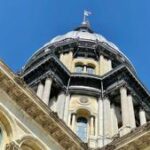
Bill to prevent fraud on elderly, disabled opposed by financial institutions
(The Center Square) – Based on the multiple billions of dollars lost to scams and exploitation of elderly and disabled adults each year, victims, lawmakers and interest groups want to move legislation that would require Illinois banks to provide new protective measures to prevent fraud.
Rep. Katie Stuart, D-Collinsville, is the sponsor of House Bill 4767, which would create new requirements for banks and credit unions to report potential financial exploitation of elderly and disabled adults.
Reports under the legislation would be sent to the Illinois Department on Aging, the agency behind the bill.
IDoA Director Mary Killough said financial exploitation is one of the most common forms of elder abuse reported in the state of Illinois, and $4.9 billion was reportedly lost by adults over 60 in 2024 – according to FBI data.
“Our legislation allows financial financial institutions to temporarily pause suspicious transactions and contact trusted representatives when exploitation is suspected,” Killough said. “We have the responsibility to ensure older adults can age with dignity and security not fear, preventing financial exploitation before it occurs is one of the most effective ways to do that.”
Stuart said she thinks the bill is especially pertinent due to reports of fraud becoming more sophisticated.
“If they don’t have a clear picture of everything that’s going on, this fraud is getting more sophisticated, much easier to be duped, much more devastating, much more quickly getting more information and other things about vulnerable people,” Stuart said.
The children of two fraud victims spoke in support of the proposal as well.
One man named Tony – who did not fully identify himself at the request of his 83-year-old father, who wanted to avoid embarrassment – said his father fell victim to a phone scam that drained about $69,000 from his savings in a little more than a week.
He said the case involved the scammer impersonating a U.S. Marshal.
Lori Hendren with AARP Illinois said her organization sees devastation from such scams.
“This is not about money, it impacts individuals’ independence, their health, housing stability, sense of security, and overall quality of life. For many older adults, their family and or their caregivers, losing hard-earned savings means losing control of their future,” Hendren.
The bill has some opposition in financial institutions.
Stuart said after a long negotiation process, she was able to add language to the bill that accounted for their concerns about who on staff would be responsible for reporting potential fraud.
Despite the negotiations, bank and credit union groups still oppose the bill over the new requirements that would be imposed on their operations.
As for the cost of implementing the fraud prevention plan, Killough said the department doesn’t expect to need more resources.
“We already spend a lot of money in that direction. I don’t think it’s going to add any more, but what we’re hoping for is when we investigate for abuse, it’s not for a crime, it’s to ensure that the individual receives the services that they need so they won’t be victimized,” Killough said.
The bill was introduced in early February, and currently awaits progress in the House of Representatives.





Chance Showers And Thunderstorms
Latest News Stories

WATCH: Illinois Democrats blast Trump, Republicans at state fair

Social Security’s 90th anniversary sparks debate over how to address insolvency

Colorado ranks eighth nationally for battling antisemitism

Trump speaks with Zelenskyy, European leaders ahead of Putin meeting in Alaska

Texas House Democrats may return after first special session is over

Illegal border crossings reach lowest level in recorded US history in July
GE Appliances announces $3 billion investment in U.S. production

VA reduces benefits backlog as concerns linger over potential cuts

DOJ settles West Point lawsuit over race-based admissions
Texas AG Paxton files motion of contempt against O’Rourke

WATCH: Illinois In Focus Daily | Wednesday Aug. 13th, 2025

Illinois law empowers officials to crack down on predatory towing