Springfield strains for balanced budget; Illinois revenue forecast shifts down
(The Center Square) – Illinois is projected to see less tax income than state agencies previously expected due to a variety of economic factors.
With revised estimates, some lawmakers worry there may be a shortfall, which could prevent a balanced budget from being passed this month.
Both the Illinois Department of Revenue – which oversees the collection of state funds – and the Commission on Government Forecasting and Accountability – which makes forecasts of expected tax revenue – have lowered estimates of how much money they expect the state to bring in next fiscal year, which begins July 1.
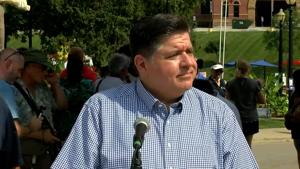
Compared to earlier projections, which guided Governor JB Pritzker’s recommended spending plan released in January, officials said reasons for the downward shift included the economic impact of tariffs, rising living costs, and flattening excise‑tax revenue – such as from marijuana.
Sen. Chapin Rose, R-Champaign, challenged the assumption that the governor’s proposed budget is balanced, as it relies on more than $700 million in new tax programs, which have yet to pass, in order to stay balanced.
“If you’re barely up $30 million and now you’ve revised down $180 million, there’s a $150 million gap,” Sen. Rose said, explaining that the spending plan is on shaky ground.
David Harris, director of IDOR, said the final budget passed by the legislature is ultimately up to the governor and lawmakers.
Sen. Donald DeWitte, R-West Dundee, also raised concerns about the effort to cut $60 million in funds to local governments by decreasing the share of income tax allocated through the Local Government Distributive Fund.
“They have the same pressures, budget pressures, service pressures that that the state government has. And yet that seems to be ignored year-after-year as the state takes more of that LGDF revenue,” DeWitte said.
The LGDF provides towns and cities with supplementary funding and is an ongoing concern of local governments statewide, which feel they have been shorted in recent years.
Harris said he recognizes local governments’ needs, but maintaining level funding rates from last year may still increase the total amount distributed if state revenue increases.
Sen. Rachel Ventura, D-Joliet, also brought up a worry she had about the state’s heavy reliance on income from interest to maintain a stable budget.
“It’s our job to make sure that we have a sustainable budget moving forward. When I see a bunch of shifting, weakening numbers and only one holding up the fort, I don’t like to put all my eggs in one basket,” Ventura said.
Clayton Klenke, director of COGFA, said while being heavily reliant on interest rates may look concerning, he does not expect a sharp drop in interest rates, at least in the coming year.
Lawmakers now face a compressed timeline to take the forecast into account when making decisions on spending.
With updated projections taken into account, a budget is expected to be negotiated through the very end of May, when it must be taken up for a vote.




Chance Showers And Thunderstorms
Latest News Stories
Reports: DOJ probing NY AG’s fraud case against Trump
Trump warns of ‘Great Depression’ if appeals court curbs tariff power

Illinois in focus: DHS announces new facility; NFIB urges veto of regulations; minority scholarship lawsuit moves forward
Abbott to call ‘special session after special session’ in response to AWOL Dems

WATCH: Illinois In Focus Daily | Friday Aug. 8th, 2025

Legislator urges leaders to focus on relief for Illinois’ high property taxes

Charles Dewain Harlan, 73
Meeting Briefs: Casey City Council for August 4, 2025

Texas House, Illinois state senator sue 33 AWOL Democrats in Illinois court

WATCH: Democrat state redistricting efforts created unfair advantages, lawmaker says

Illinois quick hits: Fatal helicopter crash; Comptroller orders another extra pension payment

New poll: 50.2% of Illinois voters view Pritzker unfavorably